Author: Sahil Shah

  • Feedback of Mobile Phone Repair Training Conducted For BMC School Students

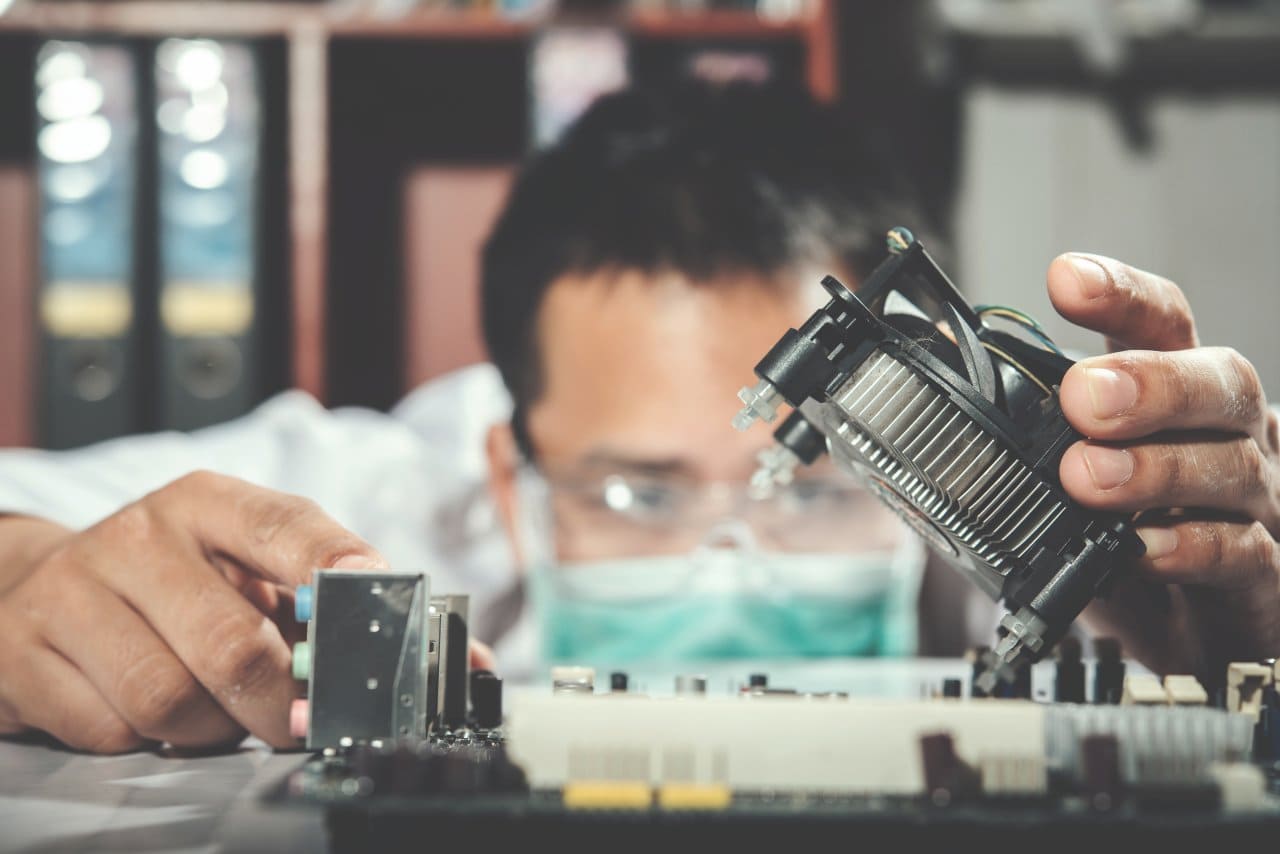
    Prizm Institute had recently conducted mobile phone repair training in Mumbai for students of a BMC run Government aided school in association with a reputed NGO  based in Mumbai, India. It was a pleasure for us to train the young school students. The students were of class Ninth, while some were from 7th std and 8th std.

    The first day when we started the training, one school teacher of the BMC School told me, “Padh likh kar koi fayda nahi!” which means Education is useless! Further he said that this is the type of training which will be more beneficial to students. Although I do not fully agree with him on this statement, he meant to say that education should lead to employment. That is obviously important!

    mobile repairing training by prizm institute for BMC school students in Vakola, Mumbai.

    The training went on for a period of about 1 month until all the topics were covered. The entire mobile repairing course was conducted in Hindi language. We tailored almost the entire course to suit the persona and IQ of these cute students.

    Feedback of our training

    Pros

    • Many of the interested students attended the class even after working in night shifts or doing household chores thereby indicating their interest and sense of responsibility.
    • Most of the students should be able to fix atleast the basic to intermediate type faults of all mobile phones and tablets.
    • These students can easily start their career in mobile repairing.

    Cons

    • A few of the students were either completely uninterested or irresponsible and did not attend the classes regularly
    • Some of the students were very much interested in this training but lacked the caliber and ability to make it big in this field.
    education is the most important tool which you can use to change the world

    Candidates receiving mobile repair training should fit the below criteria

    Students who have failed and have decided not to study further or students who are not interested in studying academically are more suitable and likely to benefit a lot. Students who are already studying may continue their studies further thereby creating a gap between training and entering the industry.

    If they want to start their career in mobile repairing after completing their studies, it will be too long a gap and hence they may forget many things they had learned and may not be able to perform various repair procedures taught.

    The type of technical training provided by us is such that if a candidate does not practice on what he/she has learned for more than six months, he is more likely to forget many topics and techniques gradually. The ideal choice of candidates will be students who are interested, have a sense of responsibility and want to willfully enter the mobile phone repair industry the day they finish the training from us.

    The other option can be to charge some nominal fee from every student which will be refundable only if the student attends class regularly and passes the examination at the end of the training. This is because some students do not give importance to anything that is provided to them for free.

    Conclusion

    Mobile phone repair is a very good option for students who do not want to study further or have not succeeded academically. There is a lot of scope in this field with good career prospects. They can either work as a technician or open their own repair shops with very little investment.

    Our only concern is that the candidates should take advantage of the training to make a living out of it. The receiver of the training should be able to make a career in it be it part-time or full time. They  should also have the ability to understand the topics covered in mobile repairing course syllabus.

    There should be more emphasis on the choice of the candidates and the selection process should be very rigorous. So what we felt is only those students who are capable and interested in making a career in mobile repairing should be selected.

    All the NGOs and social organizations conducting technical and vocational courses should evaluate the success ratio of students getting properly trained and therby employed so that their efforts get the desired results.

  • 10 Surprising Things Your Smartphone Can Actually Do

    10 Surprising Things Your Smartphone Can Actually Do

    Smartphones today have become an integral part of our lives. We depend on them throughout the day for personal tasks, work, and entertainment. Even after installing dozens of apps, most people use their smartphones only for basic functions like paying bills, taking photos, or booking a cab. But these devices can do so much more. This small computer in your pocket can perform tasks that once required several different gadgets.

    Modern smartphones perform hundreds of functions that previously needed separate devices. They have replaced tools like scanners, music players, GPS devices, and even remote controls. You can read our recent article on the number of gadgets we would be forced to buy if smartphones didn’t exist.

    There are also excellent discussions on Quora on how to use your smartphone more effectively. You should know all the ways by which you can maximize the output of a smartphone. Many users are unaware of the advanced tools and features already built into their phones. Learning these features helps you maximize your phone’s output and solve many tasks without additional tools.

    So let us explore some surprising things you can do with your smartphone, including a few updated features recently added to newer devices.


    1. Lock, Unlock, and Start Your Car

    For people who frequently misplace their car keys, modern smartphones offer a solution. Apps like Viper SmartStart allow you to lock or unlock your car without touching your keys. Some cars even support digital car keys, allowing you to start the engine with your phone.

    Newer models from leading car manufacturers now support NFC-based keyless entry, meaning your smartphone replaces the traditional key entirely. This also improves security because digital keys can be revoked or shared temporarily.

    You can start, control or locate your vehicle from virtually anywhere from your iPhone or Android smartphone.


    2. Monitor Your Heart Rate and Basic Health Stats

    You can install apps like Instant Heart Rate to measure your pulse by placing your fingertip on the camera. Within seconds, your phone shows a reading. While earlier versions were not highly accurate, newer smartphones include dedicated health sensors that track:

    • Heart rate
    • Blood oxygen levels
    • Stress patterns
    • Sleep quality

    Some phones also connect with smart accessories for more accurate readings. This eliminates the need for expensive health gadgets for basic monitoring.


    3. Project an Augmented Reality Map on Your Car Windshield

    Driving becomes difficult in fog, rain, or heavy traffic. Apps like HUDWAY can project a navigation map onto your car’s windshield. Just place your phone on the dashboard and follow the projected display.

    With modern advancements, AR-based navigation is becoming more common. Some smartphones now support live AR lane guidance, showing arrows directly on the road through your camera view.


    4. Turn Your Smartphone Into a Handy Tool

    Numerous apps can turn your phone into a spirit level, helping you align shelves, furniture, or frames. These tools use the phone’s sensors to measure angles with precision.

    Many smartphones also offer:

    • Compass tools
    • Measurement apps
    • Sound level meters
    • Flashlight utilities

    All of these eliminate the need to purchase separate equipment.


    5. Search Images in Your Camera Roll

    If you have an Android device, apps like Google Lens can search for information about any picture in your gallery. You can point the camera at a building, product, or object and instantly find details online.

    This is helpful for identifying:

    • Plants
    • Animals
    • Text
    • Products
    • Landmarks

    You can even translate text on images instantly using this feature.


    6. Digitize and Scan Old Negatives

    If you have old photographic negatives lying around, you can bring them back to life. Apps such as Helmut Film Scanner let you digitize negatives easily using your phone’s camera.

    Newer models also support AI-enhanced restoration, which repairs faded colors and improves clarity. This helps you save old memories without buying special scanning equipment.


    7. Measure Height, Distance, and Width Using the Camera Lens

    Smartphones with LiDAR or depth sensors can measure almost anything. You can measure:

    • Room dimensions
    • Furniture
    • Objects at a distance
    • Height of a person
    • Space needed for new items

    Several apps allow you to create a digital floor plan, take 3D measurements, or estimate the size of large objects your tape measure cannot reach.


    8. Turn Your Phone Into a Baby Monitor

    There are many apps that let you monitor your baby’s sleep. These apps can detect movement or sound and send alerts to another number. You can place your phone near the baby and receive notifications instantly.

    Some apps also include live camera streaming, allowing parents to check on their baby from wherever they are.


    9. Control Your Television and Other Electronics

    If you’ve misplaced your TV remote, your smartphone can help. Many phones have built-in IR blasters or apps that connect through Wi-Fi. These apps can control:

    • Televisions
    • Air conditioners
    • Projectors
    • Audio systems
    • Set-top boxes

    This helps replace multiple remotes with one easy solution.


    10. Use It as a Barcode and QR Code Scanner

    Smartphones can scan barcodes and QR codes printed on food packets, newspapers, posters, and products. This feature helps you find product details, compare prices, or access special offers instantly.

    Apps like Google Lens even allow scanning handwritten notes and converting them into digital text.


    NEW Surprising Smartphone Features Added Recently

    To make the article updated, here are additional modern smartphone functions many users don’t know about:


    11. Real-Time Language Translation

    Your smartphone can translate speech in real time. Apps like Google Translate or built-in translation tools help you talk to people in different languages instantly.

    Newer models also support live translation during calls, which is extremely useful for travelers.


    12. Detecting Objects Using AI

    With advanced AI tools, smartphones can now identify objects, ingredients, or even troubleshoot minor household issues. These features help users diagnose small hardware problems or understand what an unknown device may be.


    13. Document Scanning With Auto Cropping

    Your phone can scan documents and automatically:

    • Crop edges
    • Enhance clarity
    • Remove shadows
    • Convert to PDF

    This replaces bulky scanners and makes sharing documents easier.


    14. Using Your Phone as a PC (Desktop Mode)

    Some smartphones allow you to connect to a monitor and use a desktop interface. This helps with tasks like typing, browsing, and multitasking without needing a laptop.


    15. Detecting Nearby Devices and Lost Items

    Phones can help locate lost devices, keys, or headphones using:

    • Bluetooth tracking
    • Ultra-wideband (UWB) sensors
    • Smart tags

    This makes finding misplaced items extremely easy.

    These were some of the unknown things you could do with todays smartphone. Learn what you should expect in future smartphones.


    Final Thoughts

    These were some of the surprising things you can do with your smartphone. Modern smartphones offer far more value than basic calling and texting. They help in many areas of life, from health monitoring to remote control, scanning, navigation, and everyday problem-solving.

    Your smartphone has many hidden features you may not be using. It can even help you save money by eliminating the need for many separate tools and gadgets.

    So what are you waiting for? Start exploring your smartphone and unlock its full potential.

    We would love to know your thoughts. Share your opinions in the comments below.

  • How Long Should You Keep Your Smartphone? When It’s Time to Upgrade

    How Long Should You Keep Your Smartphone? When It’s Time to Upgrade

    Smartphones today serve so many functions for both personal and business needs. This has made it difficult for many people to go even a single day without their phones. Our dependence has grown because smartphones handle communication, entertainment, banking, navigation, and daily work. But as technology moves fast, it becomes hard to keep up with newer systems and devices.

    Once your smartphone starts getting old, you will notice it working slower. Apps may crash. Storage may feel tight. Software updates may stop. Some applications may even refuse to install. When this happens, the question naturally comes to mind: How long should you keep your smartphone before it is time to change it?

    This is an important question, especially because buying a new smartphone can be expensive. It can also feel overwhelming when you learn that right after upgrading, a better version is already on the way. If you like using the latest models, you can go for easy instalment plans and upgrade regularly. But just because you can upgrade often, does not mean you must.

    Understanding the right time to replace your smartphone helps you avoid unnecessary expenses and keeps your device running smoothly.


    Distinguishing Between Smartphone Wants & Needs

    Before buying a new smartphone, it is important to analyse what exactly you need, not what you are simply tempted to buy. Even though technology keeps changing every day, the difference between one generation and the next may not always be significant.

    Most of the time, the changes are in:

    • Font styles or sizes
    • Colour variations
    • Design shape
    • Minor improvements in camera
    • Slightly better security features

    If your current phone—whether iPhone or Android—still satisfies your needs, there is no real reason to spend money on a new model.

    If you use your phone mainly for simple tasks like:

    • Calling and texting
    • Taking photos
    • Making notes
    • Surfing the internet
    • Occasional gaming
    • Social media usage

    then your current smartphone can easily last several years. For basic functions, even older devices work well unless they have hardware problems or battery issues.

    Every year, new features appear in smartphones. Some features genuinely make life easier, while others are attractive but not necessary. You should also know the things you need to check before buying a new smartphone. Before deciding on upgrading your phone, its always better to compare the advantages and disadvantages.


    Advantages of Moving to a New Smartphone

    Switching to a new phone offers several benefits, especially for people who use their smartphones heavily or need updated software for work.

    Latest specifications

    New devices come with faster processors, better cameras, and improved hardware.

    Advanced technology

    Each new generation offers improvements in display quality, battery performance, and AI features.

    Faster processing power

    Apps open quicker. Multitasking becomes smoother. Games run better.

    More features

    You may get improved security tools, better night photography, or stronger battery optimization.

    Upgrading feels refreshing, especially if your old device has become slow. Many smartphone troubleshooting experts agree that older models tend to show lag, app crashes, and storage issues after a few years. It can also be useful to know whether buying a new phone or a used phone is the better choice before making a decision.


    Disadvantages of Moving to a New Smartphone

    However, there are also drawbacks:

    High cost

    New smartphones can be very expensive, especially flagship models.

    Data transfer takes time

    Moving all your old data, photos, chats, and contacts to the new phone requires patience.

    You need to reinstall apps and games

    This is a tedious task and takes time depending on your internet speed.

    Adjusting to a new phone can be difficult

    If your daily schedule is busy, learning new settings or gestures can feel tiring.

    For many users, these disadvantages are major reasons why they prefer keeping their existing device for longer.


    Why You Cannot Use a Smartphone Forever

    Even if you use your phone only for basic needs, there will come a time when it no longer feels smooth. It may not be displayed in stores anymore. Accessories may become difficult to find. New apps may stop installing. And the biggest issue: software updates eventually end.

    how much is the span life of a cell phone?

    Without updates, your phone becomes less secure and may stop supporting important applications. Whether you use your phone for business or personal work, there comes a point where upgrading becomes necessary to stay compatible with the latest software.

    Every electronic device has a lifespan. Smartphones are no different. As with all gadgets, there is a life span of a smartphone as well after which it becomes either obsolete or very difficult to use Understanding how long a phone can realistically last helps you make better decisions.


    How Long Should You Keep Your Smartphone?

    There is no single correct answer. The ideal time depends on performance, personal needs, and phone condition. Still, here are common upgrade patterns:

    Every 6 Months?

    This is only for people who always want the latest design or for reviewers and mobile tech enthusiasts. Not needed for most users.

    Every Year?

    People who rely heavily on their phones for work or content creation may upgrade yearly for better cameras and updated features.

    Every 2 Years?

    This is the most common cycle. Many users find that their phones start showing signs of slowdown after two years. Battery health also reduces.

    Every 3 Years or More?

    Some phones, especially premium models, work smoothly for 3–4 years if maintained well. Many users prefer this cycle.

    Only When Your Phone Stops Working!

    A practical approach – many people upgrade only when the phone becomes unusable, fails to start, or cannot run essential apps.

    Smartphone repair experts often say that most devices remain usable for 2–3 years, after which performance decline becomes noticeable.


    Signs That It’s Time to Upgrade Your Smartphone

    If you are unsure whether to replace your phone, look for these signs:

    1. Your phone is slow, freezes, or crashes

    Older devices struggle with new apps and heavier tasks.

    2. Battery drains quickly

    Battery performance drops naturally over time. A weak battery can affect daily usability.

    3. Your phone no longer receives software updates

    This can affect security and compatibility.

    4. Apps stop installing or updating

    This is a strong indication that your device is outdated.

    5. Hardware problems appear often

    Buttons, speakers, charging ports, or cameras may stop functioning properly.

    6. Storage is always full

    Even after cleaning, you may still struggle for space.

    7. Accessories become hard to find

    Cases, batteries, and other parts may not be available anymore.

    If multiple signs appear, upgrading becomes a practical decision.

    Read Smartphones of the Future – What Should We Expect?


    How Long Does a Smartphone Really Last?

    Most smartphones can last:

    2–3 years on average

    This is the most common replacement period. Battery health declines, apps grow heavier, and software support ends.

    3–4 years for premium models

    If maintained well, high-end phones can work longer but may still lag with newer apps.

    5 years with light usage

    If you only use basic functions, you may stretch the lifespan further, but performance will decrease gradually.

    No matter how well you care for your phone, internal components age, and technology evolves. Eventually, your device will feel outdated.


    So, When Is the Right Time to Upgrade?

    If you want to stay updated with new technology and you have the budget, upgrading every 2–3 years is the ideal balance.

    If you do not want to spend often, you can continue using your phone until it becomes too slow or stops receiving updates.


    Conclusion

    If you want to stay up-to-date with the latest trends and technology and if you have the money, you can buy a new smartphone every year. But if you prefer saving, you can use your device longer. Since most smartphones become outdated in about 2–3 years, it is better not to stretch them much beyond that.

    Whenever you upgrade to a new model, do not forget to recycle the old phone. The environment is just as important as our smartphones and even more!

    If you found this article helpful, please consider sharing it.
    We would also love to hear your views. Share your thoughts in the comments below.

  • Can Cell Phones Cause Cancer? Risks & Facts You Need To Know

    Can Cell Phones Cause Cancer? Risks & Facts You Need To Know

    Ever since the commercial introduction of cell phones, a common belief has prevailed among the masses that these gadgets emit harmful waves that may cause cancer. This perception has continued for many years and has raised concern among users of all age groups.

    As modern humans, we live in a world filled with gadgets that make life easy. Whether we are at home or at work, we are surrounded by many electronic devices that we assume are transmitters of harmful radiation. These include microwave ovens, radar systems, routers, and especially mobile phones.

    Since mobile phones are used constantly and remain close to our body throughout the day, many people believe that this gadget is the main cause of cancer. This belief became widespread, and most users accepted it without actually knowing how these devices work.

    However, scientific studies conducted across the world have clearly shown that while cell phones do emit radio waves, these waves do not have the energy required to cause cancer. Several international scientific bodies, universities, and research groups have examined this topic in-depth. They concluded that mobile phones use non-ionizing radiation, which cannot damage DNA or trigger cancer cells.

    With concrete evidence in hand, all studies negate the belief of all people who till now believed that smartphones are the cause for cancerous tumors.

    The most recent research also supports this conclusion and states that everyday mobile phone usage is safe when used in normal conditions. These findings have provided relief to millions of users who depend on their smartphones not only for communication but also for work, education, and entertainment.

    cell phones and cancer, Is there any connection?

    Although it is difficult to detail all studies here because many were conducted by independent organizations, government agencies, and scientific communities, we can briefly mention that various reputed groups including European scientific bodies, major universities, and international health organizations have taken part in evaluating this subject. Their findings consistently show that cell phones are not proven to cause cancer. The best and most credible source of information for us common people is this wikipedia article.

    Still, it is wise to be careful. Even though mobile handsets do not cause cancer directly, genetic history can influence a person’s risk. If cancer runs in a family, it is better to take simple precautions for peace of mind. Also, a few studies do show a slight association between very prolonged phone use and certain health effects, although this evidence is not strong enough to confirm a direct cause.

    With that said, let us move on to a practical section. Below are some reasonable precautionary measures users can follow. These tips are commonly suggested by health experts, smartphone troubleshooting professionals, and researchers who understand RF exposure and device safety.


    Precautionary Measures You Can Consider

    Some of these precautions are simple and logical. Others may not be practical for everyday life. Follow only those that make sense for you.


    1. Avoid making unnecessary calls when network signals are low

    When your phone has low signal strength, it works harder to connect to the tower. This increases radio frequency output. If a call is not urgent, wait a bit for better signal strength.

    Mobile repair technicians have observed that phones heat up more in low-signal zones because the device boosts its transmitter power. Heat does not cause cancer, but reducing heat is always good for overall battery health.


    2. Use a headset or speaker mode when convenient

    Using a wired or wireless headset keeps the phone away from your head. However, even experts admit that this is not always easy or practical, especially when outdoors or during professional calls. So, use this method only when it suits you.

    The aim is simply to increase distance, because radiation exposure reduces significantly with even a small increase in distance.


    3. Keep your conversations short when possible

    Again, this is not always achievable. Many calls require time, and cutting them short is not practical. But if you often use your phone for long discussions, consider using a headset or speaker mode instead.


    4. Switch off your phone when it is not needed

    If you are not going to use your phone for some time, switching it off is a simple way to reduce exposure and protect battery life. This also gives you mental peace, helps you focus, and saves power.

    Repair experts often advise turning phones off once in a while because it refreshes the system and reduces background network activities.


    5. Carry your phone in a bag instead of your pocket

    Keeping the handset slightly away from your body can help lower exposure. Carrying it in a backpack, purse, or briefcase is a simple and effective habit. Many health professionals support this distance-based precaution because it is easy and does not interrupt daily usage.

    This tip also protects the phone from physical damage such as bends, accidental drops, and heat buildup.


    6. Keep your phone away while sleeping

    A very simple precaution is to avoid placing your phone near your pillow or under your blanket while sleeping. Keep it at a distance on a table, shelf, or across the room.

    This habit improves sleep quality because notifications and screen light do not disturb you during the night. Many people charge their phone beside their bed. Instead, try to charge it away from your resting area.

    To reduce the use of phones, you should read 5 Tips To Avoid Spending Too Much Time on Your Smartphone


    Understanding Radio Waves and Health Risks

    Cell phones emit RF radiation, which is a form of non-ionizing radiation. This means the energy is too low to break chemical bonds in the body. Ionizing radiation (such as X-rays or gamma rays) has enough power to damage cells and DNA. RF radiation does not.

    Because of this, experts classify mobile phone radiation as low-risk. Decades of research have not established a direct connection between normal phone use and cancer.

    Global health bodies such as:

    • World Health Organization (WHO)
    • International Agency for Research on Cancer (IARC)
    • Federal health agencies
    • Multiple universities and independent research groups

    have reviewed thousands of studies. Their conclusion remains that no confirmed evidence proves that cell phones cause cancer when used within recommended limits.

    Some researchers highlight that very long-term exposure is still being studied. So, they recommend following simple habits that reduce unnecessary exposure. These suggestions align with common advice given by mobile repair professionals who regularly evaluate smartphone heat levels, battery issues, and prolonged usage patterns.


    Why Do People Still Worry About Cell Phones and Cancer?

    There are several reasons this fear continues:

    1. Phones stay close to the body

    People place them near the head, face, or chest, which creates concern.

    2. The term “radiation” sounds dangerous

    Most people think of harmful radiation from medical scans or nuclear material, not non-ionizing waves.

    3. Misinformation spreads fast

    Rumors and exaggerated claims online create confusion.

    4. Newer technologies raise questions

    5G, for example, triggered many doubts, even though testing shows RF exposure remains within safe limits.

    5. Cancer is a serious illness

    Because cancer is scary, anything associated with it receives high attention.

    Understanding the difference between high-energy radiation and low-energy RF signals helps reduce fear and encourages logical thinking.


    Should You Be Concerned?

    Based on all major studies so far, normal cell phone use does not cause cancer. There is no confirmed proof that RF signals from phones harm human cells.

    Still, if someone prefers to reduce exposure due to personal comfort, family medical history, or caution, the preventive measures listed earlier are simple, realistic, and easy to follow.

    Experts also recommend:

    • Keeping phones cool
    • Avoiding unnecessary long calls
    • Using reliable, branded devices
    • Avoiding cheap chargers or accessories
    • Maintaining overall digital health and balanced phone usage

    These suggestions help reduce both exposure and common hardware issues.


    Conclusion

    Smartphones have become a part of our lifestyle and daily routine. They help us work, study, navigate, communicate, shop, and entertain ourselves.

    Even if cell phones were shown to have some connection to cancer, would you be able to live without your phone today? For most people, the answer is ‘A BIG NO!

    So what matters most is using your device wisely. Based on scientific evidence, cell phones do not cause cancer, but following simple precautions is always good for general well-being.

    We would love to hear your views on this topic. Share your thoughts and experiences in the comments below.

  • Advantages And Disadvantages of Wireless Phone Charging

    Advantages And Disadvantages of Wireless Phone Charging

    Wireless phone charging has become quite common these days. It is a technology that has grown into a large ecosystem of different wireless charging devices, and not just for smartphones alone. These chargers can now be used in public places, offices, malls, cafés, and even at home. The rise of this technology shows how people prefer convenience over traditional wired setups.

    Although the benefits of wireless charging may seem obvious, it also has its drawbacks. So, if you are planning to switch to wireless charging, it is worthwhile to know both sides of this technology. Many mobile technicians and smartphone troubleshooting experts believe that understanding the pros and cons helps users make smarter decisions and avoid unnecessary hardware problems.

    Wireless charging removes the need for cables and connectors, and it offers a more modern way to charge devices. In this fast-changing smart world, we now depend on smart chargers for our smartphones.


    How Wireless Phone Charging Works

    Wireless charging is usually based on inductive charging. A coil inside the charger creates an electromagnetic field. Another coil inside the smartphone receives that energy and converts it into electrical power. Since the process is based on alignment and distance between coils, the positioning of the phone becomes important.

    This is the same principle used in some other consumer electronics, including headphones and smartwatches. Many brands follow Qi wireless charging standards, which ensure compatibility between different devices.

    Mobile technicians who work on cell phone diagnostics and software issues often explain that wireless charging puts less stress on charging ports, helping them last longer. But they also warn that incorrect usage or cheap chargers can still create performance issues.


    What Are the Advantages of Wireless Phone Charging?

    Below are the major benefits that users enjoy when switching to wireless charging. Many of these points have contributed to the growing demand for wireless charging stations both at home and in public spaces.


    1. Convenience

    The number one benefit of wireless charging is the simplicity it offers. You no longer have to deal with messy cords, broken cables, or loose connectors. Charging becomes as easy as placing your phone on a charging pad.

    There is no need to search for a charger or wonder which cable works with which phone. The process removes confusion between USB-C, Lightning, and older charging types. Many users feel that this single benefit is enough to justify switching.

    Wireless chargers also allow you to charge multiple devices without plugging and unplugging cables repeatedly. This reduces wear and tear and helps prevent charging port issues, a common problem mobile repair professionals deal with daily.


    2. Integration and Compatibility

    One of the best advantages of certain wireless chargers is the ability to integrate with almost all smartphones, regardless of the charging socket shape or size. A compatible charging pad supports different brands, including both Android and iOS devices.

    Also, wireless charging is not limited to smartphones. Many chargers now support:

    • Smartwatches
    • Wireless earbuds
    • Tablets
    • Portable devices with Qi receivers

    This integration creates a common charging system for various gadgets, reducing clutter and making your desk or home setup more organized.


    3. Multiple Device Charging

    Most homes today have several smartphones. Even though many phones now use USB-C, there are still differences between Apple and Android accessories. A wireless charging pad solves this by allowing different phones to be placed on the same surface and charged together.

    A multi-device wireless charging setup helps charge:

    • Smartphones
    • Tablets
    • Earbuds
    • Smartwatches

    This reduces the number of cables you need to carry. It also eliminates the need for international adapters when traveling. With the growth of fast wireless charging, even laptops may soon support this technology.

    With reverse wireless charging, some smartphones can already charge smaller devices using their internal battery. This shows how the technology is expanding and improving rapidly.

    wireless charging station

    The Disadvantages of Wireless Phone Charging

    Even though wireless charging has many benefits, it still has limitations. Users should understand these drawbacks before deciding to replace their wired chargers.


    1. Performance Limitations

    One reason wireless charging is not used everywhere is that it is still not as efficient as traditional wired charging. Many wireless chargers cannot reach the speed of a cable charger. This makes the charging process slower, which may frustrate users who need quick power boosts.

    Another concern is heat generation. Wireless chargers sometimes generate more heat than wired chargers. Excess heat is not good for lithium-ion batteries, and mobile repair experts warn that frequent overheating can reduce battery health over time.

    Read how to boost your smartphone’s battery life.

    Even though newer chargers are improving, these performance limitations still exist.


    2. Mobility Issues

    The term “wireless” can be misleading. The signals between the charger and the phone are wireless, but the charging pad itself still needs to be connected to a wall socket. This makes the charging station non-portable.

    In addition, you must keep the phone on the pad at all times. You cannot move it around or hold it comfortably while it charges. This makes it difficult to operate the phone if you need to type, browse, or make long voice or video calls.

    This lack of mobility is one of the main reasons users still prefer wired charging, especially at workplaces or while traveling.


    3. Compatibility Problems

    Although wireless chargers support many devices, compatibility issues still occur. Some smartphones do not charge properly due to:

    • Incorrect coil alignment
    • Non-standard charging pads
    • Low-quality chargers
    • Power fluctuations
    • Software restrictions

    Some users have reported that their devices do not accept power from certain wireless stations. Mobile repair professionals sometimes receive phones that appear to have charging issues, but the real reason is a faulty wireless charging pad.

    Wireless charging is a new technology in the world of gadgets; It will definately become more efficient over time and can also become truly wireless in the future.

    Because wireless charging requires precise positioning, even a small shift can interrupt the process.


    Comparing the Pros and Cons of Wireless Charging

    Wireless charging is popular because it is convenient. It removes the need for cables and offers a clean, modern experience. But as discussed, it does come with disadvantages such as heat, slow speed, and compatibility challenges.

    As of now, wireless charging is improving. Many companies are working on faster charging speeds, better heat control, and wider support across different devices. Several smartphone brands already experiment with long-distance wireless charging, where the device does not need to touch the pad.

    Industry experts believe that wireless charging will eventually replace most wired solutions once these issues are resolved.

    While comparing the pros and cons,  wireless charging is convenient and is worth giving it a try. If you are planning to buy one for yourself, don’t forget to read 12 best wireless phone chargers


    Is Wireless Charging Worth Trying?

    For daily use, wireless charging is helpful. It offers:

    • A neater workspace
    • Less stress on cables
    • Better convenience
    • Multi-device support

    But wired charging is still faster and more efficient. So, choosing between the two depends on your priorities. Many users prefer using both methods – wired charging for speed and wireless charging for convenience.


    Final Thoughts

    Wireless charging has changed the way people power their devices. If you value simplicity and convenience, wireless charging is definitely worth giving a try. If you prioritize speed and mobility, you may still prefer traditional chargers.

    When our phones are smart, our chargers should be smart too.

    Smartphone users, technicians, and mobile repair professionals all agree on one thing: wireless charging is improving, and its future looks promising. As companies continue refining charging coils, heat reduction methods, and universal standards, wireless charging is expected to become more powerful and efficient.

    Read What To Expect In Smartphones of The Future

    Are you using a wireless charger? Share your experience in the comments below. Your feedback may help others understand the real-world performance of this technology.

  • 8 Important Tips For Cell Phone Repair Technicians

    8 Important Tips For Cell Phone Repair Technicians

    I am sharing a few important tips for cell phone repair technicians that are useful for every professional who undertakes repair jobs. For those who are new to this field, this will be a good learning experience. And for those who already know these points, it will act as a simple revision and a reminder of best practices.

    In every profession, it is important to follow rules, ethics, and the right methods. This ensures safety, professionalism, and customer satisfaction. Mobile repair is a sensitive job because customers trust you with their device, their personal data, and sometimes even their business information. So, being careful and disciplined always pays off.

    Below are some valuable guidelines that have been followed by successful mobile repair technicians across the world. These tips are based on real work experience, industry standards, and lessons learned on the job.


    1. You Should Have All the Necessary Tools

    A professional workstation must always have all the required tools. Mobile repair is a wide field and requires both basic tools and specialized tools.

    A smartphone technician should keephave the below tools:

    • Precision screwdrivers
    • Opening tools
    • Anti-static brushes
    • Spudgers and tweezers
    • Multimeter
    • Heat gun or separator machine
    • Magnifying lamp
    • Cleaning solutions
    • Soldering equipment (if you repair hardware faults)

    A workstation that is well stocked always motivates the technician. It saves time and helps complete repairs without delays. Technicians who lack tools often damage parts unknowingly, especially when working on delicate components.

    Man is a tool using animal.
    Without tools he is nothing;
    With tools he is all.
    – Thomas Carlyle

    Modern smartphones require specialized instruments for tasks such as screen replacement, water damage cleaning, battery calibration, and motherboard repairs. Having organized and well-maintained tools helps achieve better results and increases efficiency.


    2. While Dismantling a Phone

    You should always remember the order in which you dismantled the phone. When you reassemble it, you need to go in the same reverse sequence. If you forget the method, you will waste time and may miss important steps.

    Earlier, it was challenging because many handsets were sliders, flippers, and complicated designs. Today, smartphones follow a more standard pattern, which makes disassembly easier. However, the internal components are more delicate, so extra care is needed.

    Be especially careful with LCD screens and display units, as they are among the most expensive and fragile parts of any phone. Even slight pressure at the wrong point can crack the display.

    Many technicians sharpen their dismantling skills through professional courses. For example, Prizm Institute’s online cell phone repair training course teaches students everything from basics to advanced troubleshooting, including disassembly and diagnosis.


    3. Replacing All the Screws Back in Place

    When you put back the screws after fixing the phone, ensure that you place every screw in its correct slot. Every screw has a specific length and size. If you put a longer screw in a smaller slot, you may damage the internal components or break the thread.

    If due to carelessness you misplace some screws, use screws of the same type, size, and shape. Using the wrong screws can cause serious alignment problems. Handsets with missing screws look unprofessional and may cause rattling or internal movement.

    Replacing screws properly maintains:

    • Tight alignment
    • Stability
    • Warranty safety
    • Customer trust

    Technicians must never ignore this step because it impacts the overall quality of the repair.

    If you want to improve your safety skills, you should also read safety measures to be followed by cell phone repair technicians.


    4. Always Keep the Work Area Neat and Clean

    Your work environment speaks a lot about you. A messy workstation reflects badly on your character and reduces your confidence. A clean and organized workbench always gives better results.

    A neat workplace:

    • Prevents losing screws and small components
    • Improves focus
    • Saves time
    • Reduces dust-related issues
    • Increases professionalism

    Many experienced technicians say that cleanliness improves accuracy and reduces mistakes when dealing with tiny components like ICs, connectors, and flex cables.

    If you want to increase your output and reduce errors, keeping a clean workstation is one of the simplest and most effective tips.

    Never stop doing your best just because one person doesn't give you credit.

    5. All the Spare Parts Should Be Available

    When you accept a phone repair job, make sure you have all the necessary spare parts. A professional technician always keeps stock of the most commonly required parts, such as:

    • Batteries
    • Charging ports
    • Display screens
    • Camera modules
    • Speakers and mic units
    • Back panels
    • Buttons and flex cables

    Keeping these spares reduces waiting time for customers. It also increases your efficiency because you can complete repairs on the same day.

    This practice is extremely important in the mobile repair business because speed and reliability matter. Customers appreciate technicians who repair their phones quickly and professionally.

    You can also read our 10 killer tips to be successful in cell phone repair business to grow your business more.

    Always look for ways to save time and increase productivity. This is the key to success in a competitive industry.


    6. Keep the Customer’s SIM and Memory Card Safely

    When you accept a handset for repair, always keep the SIM card and memory card safely. Losing these items can cause major problems, as they may contain personal or business information.

    Follow a proper system such as:

    • Label a small box or pouch
    • Write the customer’s name
    • Note the model number
    • Add the receipt number if needed

    This helps you return everything quickly when the customer comes back. You won’t need to search through drawers and waste time.

    Organized handling of customer items builds trust and shows professionalism.


    7. Ensure That the Customer’s Data Is Secure

    Data is often more important than the phone itself. Customers store:

    • Contacts
    • Photos
    • Messages
    • Business files
    • Login details
    • Important documents

    So while repairing a phone, never delete data unless absolutely necessary. If you must reset the phone or wipe storage, always take a backup first.

    Most importantly, get the customer’s written or verbal consent before deleting anything. This protects both you and your customer.

    The importance of data protection,customer privacy and all tips related to data are taught in Prizm Institute’s mobile software repairing course.

    Data security is a critical and essential part in the repair industry.


    8. Take Assistance From the Internet

    The internet is a powerful tool for technicians. If you are confused while fixing a fault, search online for solutions. Many technicians across the world share their knowledge, repair tricks, and step-by-step guides.

    Sometimes, the solution to a complicated issue may be surprisingly simple. Searching online helps you learn faster and gain confidence.

    When searching on Google, always try:

    • Text search
    • Image search
    • Video search

    This helps you understand the problem better. Platforms like YouTube, forums, and manufacturer manuals often provide repair diagrams, motherboard layouts, and fault explanations.

    You should also consider reading these misconceptions about cell phone repair.

    Expert tip: Always verify solutions before applying them. Authentic sources and experienced technicians provide more reliable information.


    Final Thoughts

    Following these tips for cell phone repair technicians will help you improve your skills and become a trusted expert. Good habits build a strong reputation in the repair world. Customers prefer technicians who repair their devices safely, neatly, and efficiently.

    These tips will help you:

    • Work faster
    • Reduce mistakes
    • Gain customer trust
    • Increase your income
    • Build long-term clientele

    Professional repair is not only about fixing a device. It is also about handling customers responsibly, protecting their data, using the right tools, and keeping your workplace organized.

    If you have additional tips to share, please mention them in the comments below. And if you found this post useful, share it with others in the mobile repair community.

  • If Smartphones Didn’t Exist, Which Gadgets Would We Be Forced To Use?

    If Smartphones Didn’t Exist, Which Gadgets Would We Be Forced To Use?

    First the invention of the feature phone came in as a boon to humans, and the upgrade of that same feature phone into the modern smartphone turned out to be another great reward to mankind. Today, most people cannot imagine their routine without a smartphone close at hand. It has become such an essential part of daily life that many consider themselves incomplete without it.

    In simple words, smartphones are not only a necessity. They feel like an extension of our body. Without them, many of us would feel helpless or disconnected. This dependency has grown because smartphones replaced many older devices. Most gadgets used in the past have either become obsolete or have been merged into the smartphone we use today.

    For example, gadgets like cassette players, telex machines, fax machines, film roll cameras, and even early music players have been replaced by mobile phones. What once required several different machines can now be done through one single device. Smartphones have been called “smart” for a reason. The word itself means clever. When this cleverness is added to a phone, it becomes a tool that thinks for you and reduces the effort needed for everyday tasks.

    In this article, we will explore what gadgets we would still be forced to use if smartphones didn’t exist. Many of these devices are remembered today only in nostalgic conversations or seen in museums, but at one time they were essential.

    Let us dive into the list.


    #1 Wrist Watch

    Several years back, many people never left home without wearing a wristwatch. It was the simplest way to check the time. Older watches could show the time of only one city. Today, smartphones have replaced them almost completely. Your phone shows time for several cities at once, sets alarms, and acts as a stopwatch and timer.

    If smartphones didn’t exist, the wristwatch would still be a compulsory accessory. People would rely on it daily, just as they once did. Even though digital watches and smartwatches exist, they would not function the same without smartphone connectivity.


    #2 Telex Machine

    The telex machine was one of the earliest ways to send written messages electronically. Not many people today know about this device. It allowed organizations to communicate through typed messages before email and SMS existed.

    If smartphones didn’t exist, telex machines might still be used in offices, especially in places where formal communication was required. Today, mobile phones have replaced them completely because messaging apps and SMS provide faster and easier communication.


    #3 Fax Machine

    After telex machines, fax machines entered the scene and became extremely popular. These machines helped people send photocopies of documents from one place to another. Companies and government offices depend heavily on fax during its peak time.

    With smartphones, sending documents has become simple. Apps like WhatsApp or email allow users to scan and share documents instantly. If smartphones didn’t exist, the fax machine would still be a must-have device for business communication.

    Even today, some offices still keep fax machines for emergencies or formal requirements, but their usage has decreased drastically.

    if smartphones didn't exist, we would be asleep 4 hours earlier every night.

    #4 Music Player

    There was a time when music lovers carried several different types of music players. These included cassette players, CD players, iPods, and Sony Walkmans. These devices were often large and required storage of physical tapes or discs.

    Smartphones have combined all of these features into one device. You can stream music online, download your favorite tracks, create playlists, and listen anywhere. If smartphones didn’t exist, people would still carry separate music players or depend on bulky gadgets.

    For many users, even computer repair experts today note how smartphones have replaced desktops or laptops for music and video consumption.


    #5 Voice Recorder

    Voice recorders or Dictaphones were used mainly by journalists, lawyers, students, and office staff. These devices helped record interviews, lectures, or reminders.

    Today, a smartphone can record audio with a single touch. The quality is also better, and the files can be shared easily. Without smartphones, voice recorders would still be in heavy use, especially in workplaces and educational institutions.


    #6 Radio

    While fewer people listen to FM radio today, smartphones still include a built-in radio feature. Radio once played a major role in entertainment and news broadcasts. Families gathered to listen to songs, announcements, and special programs.

    If smartphones didn’t exist, radios would still be a common device at home. Portable radios would be used for entertainment during travel. Smartphone makers have included FM radios to keep this experience alive.


    #7 Camera

    Old-fashioned cameras involved a lot of effort. You needed to purchase a camera with the right lens, buy photographic film rolls, and develop the pictures in a darkroom. A simple mistake ruined the entire film.

    Digital camera technology changed everything. And when smartphones adopted these cameras, photography became easier for everyone. Today, a smartphone’s camera is used for travel, events, business, and even professional work.

    If smartphones didn’t exist, people would still carry cameras everywhere. Photographers would depend heavily on film cameras, and the process of developing photos would still be slow and costly.


    #8 VCR and DVD Player

    The VCR used big cassettes and required constant care. Later, DVD players replaced them with small discs. But even DVDs became corrupt with small scratches. Today, video streaming on smartphones has eliminated the need for these devices.

    If smartphones didn’t exist, DVD players might still be the main source of movies and entertainment. Families would keep collections of discs instead of streaming apps.


    #9 PCs and Laptops

    In this modern age, PCs and laptops are a necessity. They help in working, studying, and browsing the internet. Smartphones have not fully replaced computers, but they have reduced our dependence on them.

    Smartphones help with typing, browsing, data management, and even troubleshooting small tasks such as Windows troubleshooting, fixing slow PC issues, or looking up data recovery software. They also help users handle simple tasks without switching on a computer.

    There was a hot argument going on between Apple supporters and haters after Apple touted the iPad Pro as a computer.

    If smartphones didn’t exist, people would still carry laptops everywhere for even basic work. Many quick tasks would become time-consuming, and the convenience of having internet access in your pocket would disappear.

    The debate about whether tablets like the iPad Pro can be considered computers shows how smartphones have changed expectations in the tech world.


    #10 Gaming Machines

    Before smartphones, gaming was possible only on consoles like PlayStation, Nintendo, or portable devices like Game Boy and PSP. These devices were expensive and not easy to carry everywhere.

    With smartphones, gaming became popular worldwide. Casual gamers find everything they need in mobile games. Only professional or dedicated gamers still use consoles.

    If smartphones didn’t exist, gaming machines would still be the main source of entertainment during free time. People would need separate devices to enjoy simple games, puzzles, and arcade experiences.


    #11 Phones Themselves

    This point may sound unusual, but it is true. Mobile phones were created for voice communication. Today, that feature is used the least. People remember using rotary dial phones and push-button phones before smartphones arrived.

    If smartphones didn’t exist, people would still depend on landlines or basic mobile phones for calling. Communication would be slower, and long-distance connections would not be as simple as tapping a screen.

    Today’s Smartphone
    Is Much More Versatile Than
    A Swiss Army Knife

    Smartphones have removed the bulk, wires, and limitations that earlier phones had. They made communication easier, faster, and more organized.

    Read How many gadgets do you think your smartphone replaces?


    Other Gadgets That Smartphones Replaced

    There are many more gadgets that smartphones have replaced silently. These include:

    • Calculators
    • Digital diaries
    • Magnetic compasses
    • Flashlights
    • Alarm clocks
    • Calendars

    These items do not sell much today because smartphones offer all these features by default. Even professionals in hardware problems diagnosis, PC maintenance tips, and other tech fields use smartphones as quick tools.

    Smartphones have not only replaced gadgets but have also made them more powerful and convenient. You can also go through our article that explains how smartphones are manufactured.


    Final Thoughts

    To sum it up, if smartphones didn’t exist, we would need to carry bags full of gadgets to perform simple tasks. From calling to photography, music to navigation, and browsing to entertainment, everything would require a separate device. Life would certainly be more complicated.

    The smartphone has compacted all these tools into one small, easy-to-carry unit. Whether you need them regularly or only sometimes, everything is available in your pocket. With a simple swipe or tap, you become a user of multiple technologies combined into one.

    At the same time, it is wise to use smartphones responsibly and avoid wasting too much time on them. Technology should improve life, not distract from it. Whether you need it or not or you use it or not, you should also know how to avoid wasting too much time on your smartphone.

    We would love to know your thoughts. Share your experiences and tell us which gadgets you miss the most from the past.

  • 8 Ways To Make Your Smartphone Battery’s Charge Last Longer

    8 Ways To Make Your Smartphone Battery’s Charge Last Longer

    Where smartphones are concerned, the average time spent by users on these handsets can range from one hour to several hours daily. Many people use their phones nonstop for communication, browsing, entertainment, studying, and work. This puts constant pressure on the battery. One can easily imagine the amount of power consumed by these devices throughout the day.

    If the battery provided by the manufacturer stays stable, that is good. But if it drains faster than expected, it becomes a matter of concern. A weak or fast-draining battery affects productivity and also reduces the performance of the device. Just like you face hardware problems or do Windows troubleshooting when a laptop slows down, your phone also needs small adjustments to run efficiently.

    Here, we share useful and practical tips on how to make your smartphone battery’s charge last longer. These suggestions work on both Android and iOS and are effective on all battery capacities.


    #1 Switch Off Startup Apps

    When you power on the handset, some apps from the operating system and a few apps installed by you start automatically. This uses processing power and battery life in the background. Turning off unnecessary startup apps helps a lot. It reduces battery usage, speeds up the phone at startup, and makes your device feel lighter.

    Technicians in mobile and computer repair fields often find that too many auto-start apps are a hidden reason behind fast battery drain and slow internet issues. So, disable all apps that you do not need during startup. Your battery will last longer, and your phone will run smoother.


    #2 Decrease Screen Brightness

    Your display uses the most power in your handset. More brightness consumes a lot of battery. Lowering the brightness helps save power instantly.

    Modern phones come with adaptive brightness. While useful, it sometimes keeps the brightness higher than necessary. Adjusting it manually when indoors or at night increases battery life.

    OLED and AMOLED screens also save power when dark mode is used. So, enabling dark themes can help reduce battery drain, just as PC maintenance tips help optimize energy consumption on computers.


    #3 Turn Off Vibration Mode

    It is not always necessary to keep the vibrating alert on in all profiles. Vibration is created by a small motor inside the phone, and motors require more power to rotate. So, vibration alerts drain more battery than sound alerts.

    Keeping vibration only on silent mode is a better option. Turning off vibration for calls and keyboard typing can make a noticeable difference in battery life. Many technicians who handle hardware problems also say that older vibration motors put extra load on weak batteries.

    Read How Do You Know When It’s Time to Replace Your Battery?


    #4 Use Power Saving Mode

    Both iOS and Android have a low power mode option. It is also called power saver or battery saver. It reduces background activity, limits visual effects, and pauses non-essential processes. This helps the phone run longer on a single charge. Many phones today also have ultra power saving mode which is the ultimate option and can make your battery last for even 10 hours when its just having 10% charge.

    ultra battery power saving mode in smartphones

    You can enable this mode manually or set it to turn on automatically at a certain battery level. Experts who study smartphone performance agree that using low power mode does not harm the battery. Instead, it prevents fast draining and avoids unnecessary heat.

    Users who multitask heavily—similar to handling data recovery software or fixing a blue screen error on a computer—benefit greatly from keeping this mode active during long hours.


    #5 Turn Off Data, WiFi, GPS, and Bluetooth When Not Needed

    Keeping Data, Wi-Fi, GPS, Bluetooth, Hotspot, and NFC on when not required drains battery quickly. These features keep searching for signals, which silently uses power.

    Switch them on only when needed. Always check them frequently, as they may turn on accidentally due to taps or pocket touches.

    GPS drains the highest among these. Turning it off when not using navigation can extend your phone’s charge significantly.


    #6 Use Airplane Mode

    When the phone is turned on, the antenna searches for mobile network signals, Wi-Fi networks, and other connections. If the signal is weak, the phone increases its search power. This causes heavy battery drain.

    Airplane mode helps in such situations. If you do not want to be disturbed while watching a movie, studying, writing, or listening to songs, turning on airplane mode saves power and reduces network search strain.

    Experts also recommend airplane mode in low-network areas because constant signal searching heats the battery and drains charge faster.

    There’s been a lot of progress in smartphones, but why can’t we have more powerful batteries? Researchers and scientists need to work a lot harder on this front.


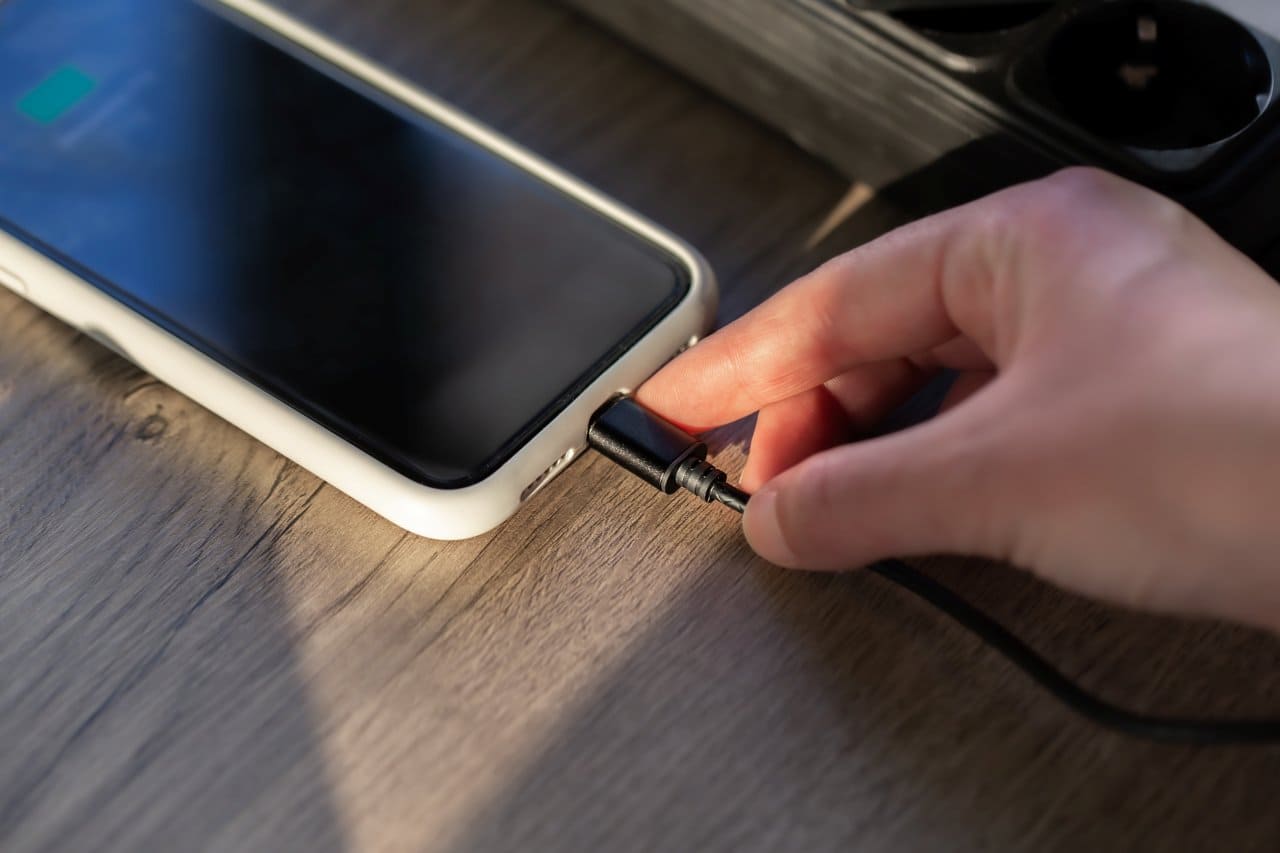
    #7 Do Not Overcharge

    Every phone battery has a limit. Keeping your charger plugged in even after it is fully charged is not ideal for long-term battery health. Overcharging may slowly damage the battery, reduce its lifespan, and in some cases cause swelling.

    Always unplug your charger once the battery reaches 100%. If your phone supports optimized charging, enable it. This slows down charging after a certain level and protects the battery.

    Technicians who repair phones daily strongly advise avoiding unnecessary overnight charging unless the device manages charging safely.

    Read 8 Etiquettes Of Using Cell Phones

    You should also know how to avoid spending too much time on your smartphone.


    #8 Use a Power Bank Wisely

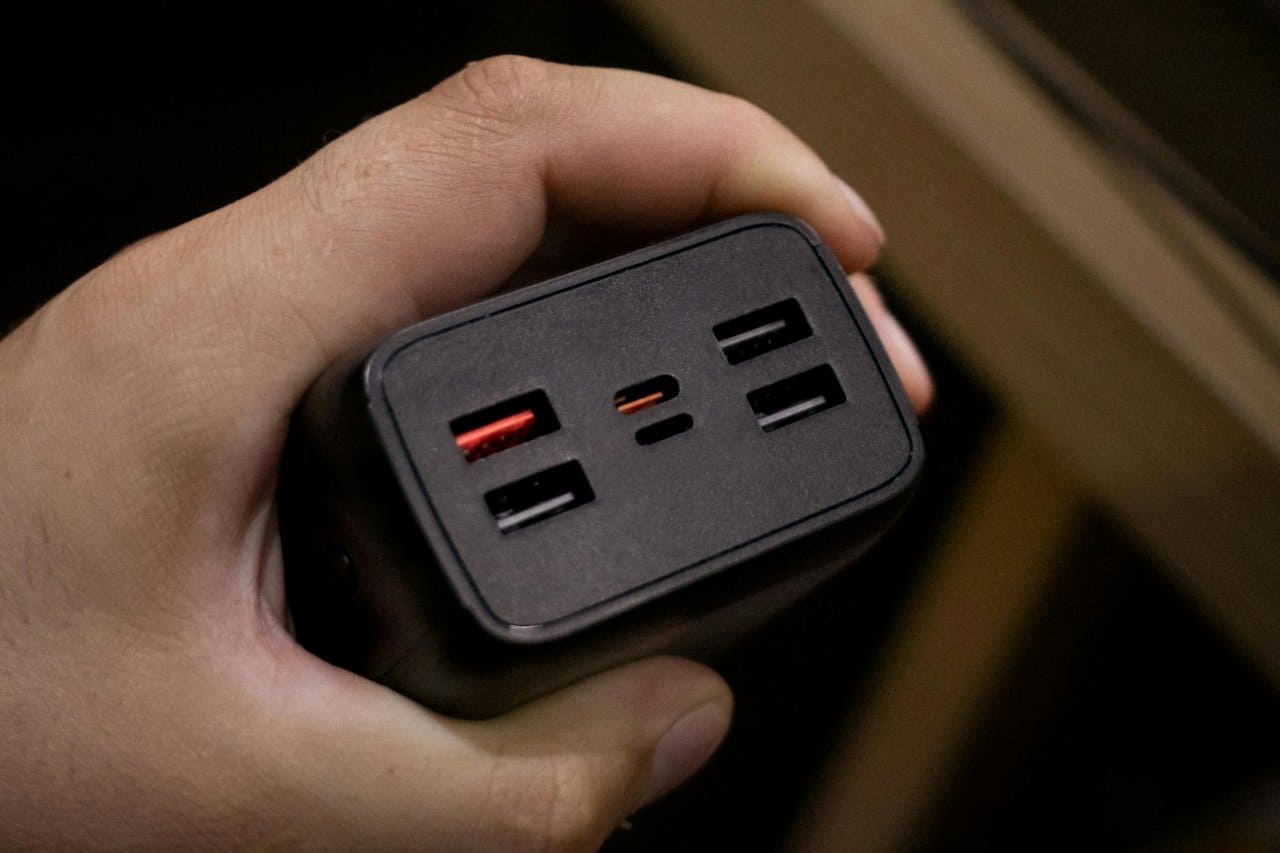
    A power bank does not directly improve battery health, but it ensures you can continue your work when the battery runs low. If you run out of power while traveling or working, a high-quality power bank is helpful.

    Choose certified power banks from reputed brands. Low-quality power banks may deliver unstable voltage and harm the battery. Professionals working in mobile and computer repair fields often warn about this.

    A power bank should be used only when needed and not as a replacement for good charging habits.


    Extra Expert Tips To Make Your Battery’s Charge Last Longer

    Avoid Extreme Heat

    Heat damages lithium-ion batteries. Avoid direct sunlight and heavy gaming when the device is already warm.

    Update Software Regularly

    Updates often include fixes that improve battery performance.

    Check Battery Usage

    Identify apps that consume too much power and reduce their background activity.

    Restart Your Phone Occasionally

    Restarting clears hidden processes and improves performance, similar to rebooting a PC after Windows troubleshooting.


    Final Thoughts

    There are many simple ways to make your smartphone battery’s charge last longer. Small changes, like lowering brightness, turning off vibration, enabling power-saving modes, or disabling unused connections, can make a big difference. These steps are easy to follow and help your phone run more efficiently every day.

    If you know more practical ways to save battery power, feel free to share them. Your suggestions may help others improve their device performance.

    I am sure there are many more ways to increase battery life. Please let me know if I have left something or you have any more suggestions in the comments below.

  • How are Smartphones Made? The Entire Manufacturing Process Explained

    How are Smartphones Made? The Entire Manufacturing Process Explained

    Smartphones have become such an important part of our lives that we often forget how complex these devices really are. We use them every day, yet very few people stop to ask a simple question: how are smartphones made? From the first idea to the final packaged device, the journey of a smartphone is long, detailed, and involves many experts and technologies. Understanding this process gives us a deeper appreciation for the device we carry in our pockets.

    When a company decides to launch a new phone, it already has years of previous models, research data, and user feedback. This means it does not need to start from zero. The design teams study older models, look at customer complaints, and analyze market trends. They also observe new technologies that can be included. By improving the previous version and adding modern features, the company creates a better and more refined smartphone.

    Below is a complete explanation of the manufacturing process, including the main stages that every smartphone goes through before reaching the customer.


    1. Making the Prototype

    The first step begins with an idea. The product planning team discusses what features the new phone should have, what design it must follow, and what improvements are expected. Once these ideas are finalized, they are handed to the research and development team.

    Design and Aesthetic Prototype

    The R&D team creates a non-working prototype. This version focuses only on external design, weight, size, and overall look. It does not function, but it helps everyone visualize the product. Key decision-makers inspect this prototype and suggest changes. The goal is to make the device attractive, comfortable to hold, and user-friendly.

    Once the design is approved, the team begins working on the internal structure.

    Most of world’s smartphone manufacturing today is being done in China. 

    prototype of a smartphone

    Internal Hardware Planning

    The next stage involves the electronics engineering team. They select the processor, memory, battery size, and screen type. The engineers decide how the smartphone components will fit inside the case. They also choose the camera modules, sensors, and wireless systems.

    Every part used in a smartphone — from the chipset to the charging port — must be compatible with one another. Engineers test different combinations until they find the most reliable and efficient setup.

    After assembling the internal parts, the prototype becomes a working model. This is then tested for basic performance. If it performs well, it goes back to the senior team for approval.


    2. Software Installation

    Once the hardware design is finalized, the software team steps in. They install the operating system, essential drivers, and basic applications. The operating system may be Android with a custom interface or a completely different ecosystem, depending on the manufacturer.

    Software-Hardware Compatibility

    The hardware and software must work smoothly together. If there is any incompatibility, the device may overheat, freeze, or drain battery too quickly. Therefore, engineers test the software for stability, speed, and smooth functioning.

    Specialists in mobile technology development analyze how the software behaves under heavy use, poor network conditions, or low battery. They check the camera app, storage system, performance of sensors, and overall interface experience.

    At this stage, major design changes are difficult because the prototype has already been approved. The goal now is to make everything stable for mass production.

    Read How to buy the best smartphone?

    Read What is fairphone? Why should you conside buying it?


    3. Testing Phase

    Before a smartphone enters the production line, it goes through strict testing procedures. Companies do not want defective products reaching the market.

    testing of smartphones.

    Hardware Tests

    These tests include:

    • Drop tests to check durability
    • Bend tests to ensure frame strength
    • Pressure tests
    • Water resistance tests, if the device is designed for it
    • Battery safety tests

    Components like processors, displays, speakers, antenna systems, and storage chips are examined using special equipment.

    Software Tests

    The software team checks:

    • System stability
    • Boot speed
    • App compatibility
    • Network connectivity
    • Camera performance
    • Security functions

    Phones are tested under different temperatures, network conditions, and long usage cycles.

    Only after passing both hardware and software rounds does the prototype qualify for production.

    4. Mass Production

    Once the final model is approved, mass production begins. Large-scale manufacturing happens in multiple steps, often across several countries.

    Component Sourcing

    Smartphone components come from various suppliers around the world. This includes:

    • Displays
    • Processors
    • Memory chips
    • Camera sensors
    • Batteries
    • Frames and back covers

    Some brands produce their own parts, while others depend on suppliers.

    OEM Manufacturing

    Many companies outsource manufacturing to OEM factories (Original Equipment Manufacturers).
    Foxconn is one of the biggest names in this industry. It manufactures devices for brands like Apple, Xiaomi, Amazon, and many others.

    OEM plants have large production lines where thousands of workers and robots assemble phones. Precision machines solder circuits, fit tiny chips, and attach screens. Skilled workers perform tasks that require accuracy, such as attaching cameras and checking alignment.

    Assembly Line

    During assembly:

    1. The motherboard is fitted with the processor, memory, and chips.
    2. The display is attached carefully.
    3. The battery is installed.
    4. Cameras, speakers, sensors, and buttons are added.
    5. The frame and back cover are sealed.
    6. Software is installed automatically using special tools.

    Each smartphone passes through quality checks before moving to the next stage.

    If you’re interested in learning how smartphones are assembled or repaired, many institutes offer cell phone repair training that teaches handling, disassembly, and reassembly.

    Foxconn is one of the major companies which manufactures devices on behalf of some of the top companies like Apple, Xiaomi, Nintendo, Amazon, etc. It has large manufacturing plants in many countries, the biggest being in Shenzhen, Zhengzhou, and Kunshan, among many other cities and provinces in China.

    You can learn assembling and disassembling of iPhones and other smartphones by enrolling into cell phone repair training conducted by Prizm Institute.

    During mass production, smartphones usually are codenamed to avoid leak of information related to specification and design.


    5. Packaging Stage

    Once the phones pass performance tests, they move to the packaging area. Here, each phone is:

    • Cleaned
    • Placed in a protective film
    • Packed with accessories like charger, cable, SIM tool, and user manual
    beautiful smartphone packaging

    Package design is important because it reflects the brand’s identity.

    Read Start Your Own Smartphone Company for $1,000

    Read How Will Your Future Smartphones Look Like?


    6. Shipping and Distribution

    The final stage involves shipping. Smartphones are transported in bulk to:

    • Distributors
    • Warehouses
    • Retail stores
    • Online sellers
    Shipping and Distribution of smartphones

    From there, the devices reach customers across the world.


    Understanding the Complete Manufacturing Process

    To summarize the journey:

    1. Idea and planning
    2. Prototype creation
    3. Hardware selection
    4. Software installation
    5. Testing phase
    6. Mass production
    7. Packaging
    8. Global distribution

    This complex chain involves thousands of workers, pieces of machinery, advanced robotics, global suppliers, and strict quality standards. Every smartphone you buy has gone through an enormous amount of planning and effort.


    Why This Process Matters

    Knowing how smartphones are made helps users appreciate:

    • The engineering behind mobile technology
    • The importance of each component
    • The skill required for production
    • The value of proper quality testing
    • The reason phones differ in price and features

    It also highlights how global the smartphone industry is. Many parts come from different countries, and assembly happens in specialized industrial zones.

    Enjoyed this post? Please share it!

  • Easy Fixes For 10 Most Common Computer Problems

    Easy Fixes For 10 Most Common Computer Problems

    Computers are powerful and versatile machines. We use them for work, entertainment, study, communication and more. Because we depend on them so much, even a small malfunction can feel stressful. Many users immediately think of seeking professional computer repair help, but a large number of common issues can be handled easily at home with basic steps.
    Below are some of the most frequent problems Windows users face, along with simple fixes you can try before calling a technician.


    1. Your Computer Is Running Very Slow

    A slow system is one of the most common complaints from PC and laptop users. When programs take too long to load or simple tasks feel heavy, it is frustrating. The good news is that most cases can be solved through basic Windows troubleshooting.

    Restart the PC

    If the slowdown occurs only once in a while, start by rebooting your computer. A restart clears temporary files and stops background tasks that may be slowing things down.

    Free Up Space on the C Drive

    Your C Drive needs enough space to write cache and perform system tasks. When it becomes full, performance drops.
    Delete unnecessary files, uninstall unused applications, and remove duplicate items. You can also use the built-in Disk Cleanup tool.

    Disable Unwanted Startup Programs

    Many programs load automatically every time the computer turns on. These background processes consume RAM and CPU power.
    Go to the Start menu → type msconfig → open Startup tab → uncheck non-essential items like updaters and helper apps.
    Do not disable antivirus tools or important system software.

    Check RAM Usage

    Right-click the taskbar → open Task Manager → go to Performance tab → check Physical Memory.
    If your available memory is too low, you may need additional RAM. Upgrading RAM is one of the most effective ways to fix slow PC problems.

    Scan for Viruses and Malware

    Run a full antivirus scan and a malware scan using a reliable tool. Harmful programs often run silently in the background and slow down the device.

    Format and Reinstall (If Needed)

    If the system remains slow after all steps, consider formatting the C Drive and reinstalling Windows. Make sure you back up important files first.

    Tip:

    Many tech-savvy users now prefer SSD drives instead of traditional HDDs. An SSD can speed up your computer dramatically. The latest NVMe SSDs PCIe 5.0 (Gen5) are the fastest. To make your computer run super fast, please read how to make your computer run as fast as a ferrari.

    If your computer still struggles even after upgrading, it may be time to consider buying a newer system with a better CPU and motherboard.

    Also read How to remove shortcut virus from your computer, laptop or USB drive


    2. Bringing Deleted Files Back

    Accidental deletion of important files is a common situation. Fortunately, most deleted items can be recovered.

    Recycle Bin Recovery

    If you moved files to the Recycle Bin, right-click and restore them.

    Shift+Delete Recovery Using Tools

    Even if you used Shift+Delete, recovery is still possible. Specialized data recovery software can retrieve permanently deleted items in many cases.

    If you have shredded files using a secure deletion tool, recovery becomes extremely difficult.

    Professional Recovery

    If the data is extremely important or the drive is damaged, you may need professional data recovery experts to retrieve the files safely.


    3. Frequent Blue Screens

    A sudden screen filled with blue background and white text is alarming. This is commonly known as a blue screen error or Blue Screen of Death (BSoD). It happens when Windows faces a critical issue and cannot continue running safely.

    You can learn computer repairs too by joining Prizm Institute’s computer hardware and networking course

    Restart the System

    In some cases, a simple restart solves the crash.

    Clean the RAM Contacts

    Open the PC, remove the RAM sticks, and gently clean the golden contacts using a soft eraser. Ensure the power is off before doing this.

    Replace Faulty RAM

    If the blue screen appears repeatedly, the RAM or hard drive may be failing. Try replacing the RAM module to see if the issue stops.

    If the problem continues, professional computer repair assistance is recommended.


    4. Backing Up Your Data

    Backing up your important files is one of the smartest PC maintenance tips. It protects you from data loss due to system failure or accidental deletion.

    You can set your computer to back up data automatically:

    Start → Control Panel → System and Maintenance → Backup and Restore

    Use external drives, cloud storage, or both for additional safety.


    5. Slow Internet Browsing

    If your internet feels unbearably slow, the problem could be your service provider or simply your computer.

    Check the Basics

    Update Drivers

    Ensure that browser and network adapter drivers are updated. Outdated drivers often cause slow internet issues.

    If only your device is affected while others on the same network work fine, the issue is likely local.


    6. Computer Restarts Repeatedly

    Frequent restarts can be linked to several causes.

    Clean the Motherboard

    Dust buildup on the motherboard can cause overheating. Clean it gently using a soft brush or air blower.

    Scan for Viruses

    Run antivirus and malware scans to rule out harmful programs.

    Still Restarting?

    If the problem persists, consult a technician. Persistent restarts often point to deeper hardware problems.

    If you are still not able to shoot the problem, you will need professional computer repair service.


    7. Pop-Ups Appearing Even When Offline

    Pop-ups that show up even when you are not using the internet are usually caused by adware.

    Uninstall Suspicious Programs

    Go to:
    Control Panel → Programs and Features
    Uninstall anything unfamiliar or unnecessary.

    Check Browser Plugins

    Remove unknown extensions or add-ons from your browser settings.


    8. Too Many Security Warnings

    Frequent security warnings in your browser can be annoying. A simple fix is often overlooked.

    Correct Date and Time

    Incorrect date or time settings cause SSL errors and website warnings. Adjust your system clock and the warnings should stop.


    9. Printer Not Printing

    Printers stop working for many simple reasons.

    Check Supplies

    Ensure the printer has ink, toner, and paper.

    Update Printer Drivers

    Go to the manufacturer’s website and download the latest drivers.

    Use Printer Online Mode

    Open the Control Panel → Devices & Printers → check that the printer is not set to “Use Printer Offline.”

    Restart the Printer

    Turn it off, wait a moment, and turn it back on.


    10. Programs Not Compatible With Your PC

    Sometimes a program refuses to work because the operating system is too old or too new.

    Keep Your System Updated

    Install Windows updates regularly.

    Check Compatibility

    Always choose programs that match your system’s version and specifications to avoid conflicts.

    In addition to the above routine steps, there are some basic universal troubleshooting steps which solve many issues and should be used by all to solve most basic problems before contacting tech support or calling a technician.

    Universal Methods to Fix Common Computer Issues

    Most computer problems, whether small glitches or sudden errors, can often be solved using a few basic steps. These simple methods are the first things every user should try before moving to advanced Windows troubleshooting or calling a professional. They are safe, quick, and often solve the problem instantly.


    1. Restart Your Computer

    Restarting is one of the most effective ways to resolve common issues. A restart clears temporary files, resets system processes, and stops background tasks that may be causing trouble. Many problems—slow performance, unresponsive apps, missing icons, audio errors, and network issues—get fixed with a fresh reboot.


    2. Use “Last Known Good Configuration”

    On older versions of Windows, you can use the Last Known Good Configuration option from the advanced boot menu. This restores the PC to a state when it was working smoothly without affecting your personal files. It helps resolve issues caused by faulty drivers, startup failures, or incorrect system changes.

    (For modern systems, you can use Startup Repair or System Restore options to achieve similar results.)


    3. Install Pending Updates

    Updating your system is one of the best PC maintenance tips. Many issues such as driver conflicts, blue screen errors, performance lags, display problems, slow internet issues, and security warnings occur because of outdated software.

    Regularly update:

    • Windows operating system
    • Driver packages (graphics, audio, WiFi, chipset)
    • Essential software
    • Antivirus definitions

    Updates patch bugs, improve performance, and fix errors automatically.


    4. Disconnect and Reconnect External Devices

    If a mouse, keyboard, printer, USB drive, or external hard disk is not detected, simply unplug it and plug it back in. Use a different port if needed.
    This solves many detection problems and avoids unnecessary computer repair steps.


    5. Boot Into Safe Mode

    Safe Mode loads only essential drivers and stops third-party apps. This helps diagnose problems caused by:

    • Malicious software
    • Faulty drivers
    • Heavy startup programs
    • Corrupted updates

    If the PC runs smoothly in Safe Mode, the issue is likely caused by installed software or drivers.


    6. Run Basic Troubleshooters

    Windows has built-in troubleshooters for many common issues. They inspect the system and apply automatic fixes.

    Useful troubleshooters include:

    • Internet Connections
    • Keyboard
    • Audio
    • Printer
    • Windows Update
    • Blue Screen

    These tools do not solve everything, but they often help beginners identify the source of a problem quickly.


    7. Perform a System Restore

    If your PC was working well yesterday but suddenly developed issues, a System Restore can fix it. This feature rolls your system back to an earlier restore point without touching personal data.
    It helps correct problems caused by recent software installations, registry changes, or driver updates.


    8. Scan for Malware

    Malware can cause:

    • System slowdowns
    • Browser pop-ups
    • Random restarts
    • Missing files
    • Incorrect settings
    • Network errors

    Run a full antivirus scan and a malware scan using a trusted tool. Many performance issues get better after removing harmful programs.


    9. Clear Temporary Files

    Temporary files build up over time and take unnecessary space, especially in the C Drive.
    Use tools like Disk Cleanup, Storage Sense, or a safe utility to clear caches, logs, and temporary files. This often helps fix slow PC problems.


    10. Check Hardware Connections

    Loose cables, improperly seated RAM, unplugged drives, and dusty connections cause many unexpected hardware problems.
    Power off the PC and ensure:

    • RAM is seated properly
    • Hard drive cables are tight
    • GPU is fixed in place
    • Fans and vents are clean

    Many random shutdowns, blue screen errors, and freezing issues come from minor connection faults.


    Why These Basic Fixes Work

    Experts say that a majority of Windows errors are caused by temporary conflicts, outdated drivers, and simple misconfigurations. These basic steps handle the most common causes and can save time, effort, and money.
    Always start with the easiest fix before moving to advanced solutions.


    Final Advice

    Use these methods to fix the most common PC issues. These steps are based on practical Windows troubleshooting experience. While many problems can be solved at home, always be careful. If you are unsure about opening the computer or modifying system settings, seek professional help.

    Remember: Perform these fixes only if you are comfortable. You are responsible for any changes made to your device.

    You are welcome to share your thoughts and experiences in the comments. Sharing this post can help others deal with common computer issues without stress.