
Tag: scam

  • What Was the Freedom 251 Scam? Full Story Explained

    What Was the Freedom 251 Scam? Full Story Explained

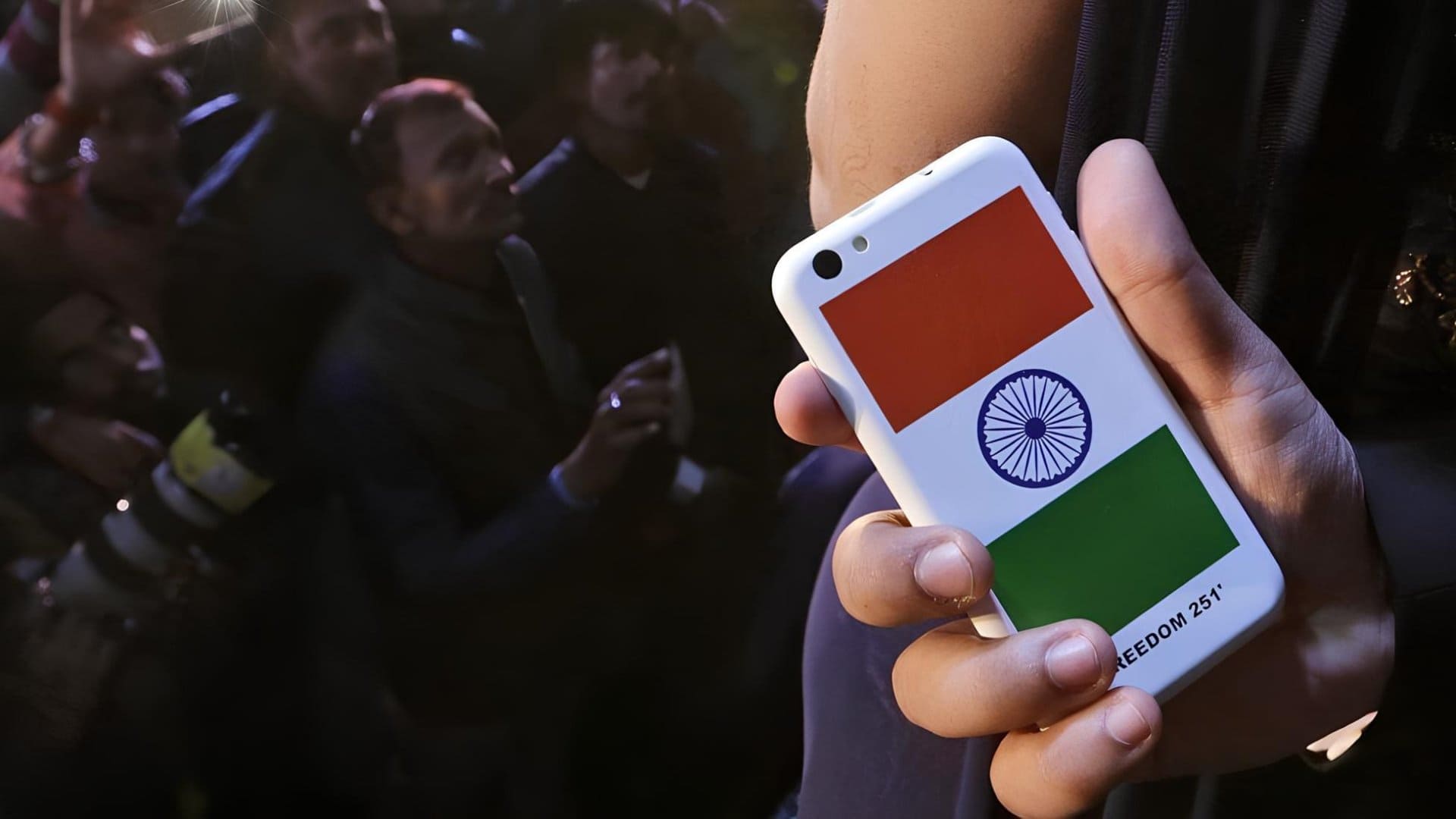
    In 2016, India witnessed one of the most shocking announcements in the history of technology and smartphones. A company claimed it would sell a fully functional Android smartphone for just ₹251.
    The phone was called Freedom 251.

    Within hours, headlines exploded, social media went wild, and millions of Indians rushed to book what was being called India’s cheapest smartphone. For many, it sounded like a dream come true. For others, it sounded too good to be true.

    So what exactly happened?
    Why did this phone create so much hype?
    And why is it still remembered as the biggest smartphone scam in India?

    This article explains the full, verified story of the Freedom 251 scam—what was promised, what went wrong, and what lessons it left behind.


    What Was Freedom 251?

    Freedom 251 was announced as an ultra-low-cost Android smartphone priced at ₹251, roughly the cost of a movie ticket at the time.

    The phone was launched by Ringing Bells, a Noida-based startup led by Mohit Goel.

    According to the company, the goal was simple but ambitious:

    • Make smartphones affordable for every Indian
    • Support the government’s Digital India vision
    • Bridge the digital divide

    The idea sounded noble. The price sounded impossible.

    Before moving ahead, it’s important to understand the that you could fall victim to if proper caution is not taken.


    Why ₹251 Shocked the Entire Country

    In 2016, even entry-level smartphones cost ₹3,000–₹5,000. A ₹251 smartphone raised serious questions immediately.

    To understand the shock, consider the basics:

    • Display, battery, processor, memory, camera, and software licensing all cost money
    • Manufacturing alone costs several times more than ₹251
    • Packaging, logistics, and customer support add further expenses

    Industry experts quickly pointed out that making such a phone at ₹251 was economically impossible without massive subsidies.

    Yet, the company claimed it had a unique cost model.


    What Ringing Bells Promised

    At the launch event, Ringing Bells showcased the Freedom 251 with specifications that seemed unrealistic for the price.

    Claimed Specifications

    • 4-inch display
    • Android operating system
    • 1 GB RAM
    • Front and rear cameras
    • Internet browsing and apps
    • Support for common smartphone features

    The company stated that:

    • The phone was heavily subsidized
    • Advertising revenue would cover losses
    • Government initiatives indirectly supported affordability

    This created enormous curiosity and hope, especially among:

    • First-time smartphone buyers
    • Students
    • Low-income families
    • Rural users

    Massive Public Response and Bookings

    When bookings opened, the response was overwhelming.

    • The website reportedly received millions of hits
    • Servers crashed repeatedly
    • Payment gateways struggled to handle traffic
    • Social media was flooded with booking screenshots

    Many people paid ₹251 (plus delivery charges) hoping to receive the phone.

    This moment marked the peak of the hype—and the beginning of serious trouble.


    Early Warning Signs and Red Flags

    Even before deliveries began, several red flags became obvious.

    1. Website and Payment Issues

    • Frequent crashes during booking
    • Unclear payment confirmations
    • Poor customer communication

    2. Confusing Claims

    • Unclear explanations of how costs were covered
    • No transparent manufacturing partner details
    • Vague answers during press conferences

    3. Prototype Controversy

    Journalists noticed that the phone shown at launch appeared to be a rebranded smartphone from another Chinese manufacturer, not an original device.

    This damaged credibility instantly.


    Government and Legal Scrutiny Begins

    As public attention grew, authorities stepped in.

    • Consumer groups raised complaints
    • Legal notices were issued
    • Questions were asked about misleading advertising
    • Investigations began into business practices

    The company was asked to clarify:

    • Manufacturing arrangements
    • Financial backing
    • Delivery capability

    Pressure mounted quickly.


    What Happened to India’s Cheapest Phone?

    This is the question most people still ask today:
    What happened to India’s cheapest phone?

    The answer is simple but disappointing.

    Delivery Never Happened at Scale

    • Only a very small number of units were reportedly delivered
    • Most customers never received a phone
    • Delivery timelines were repeatedly delayed
    • Customer support became unreachable

    The promise collapsed under its own weight.


    Refund Issues and Customer Frustration

    As delays increased, customers demanded a refund.

    Here’s what followed:

    • Refund promises were made publicly
    • Many customers reported never receiving refunds
    • Communication channels stopped responding
    • Social media complaints increased rapidly

    For thousands of buyers, ₹251 was not a small amount—it represented trust broken.


    Legal Action and Company Shutdown

    Eventually, the situation escalated.

    • Authorities took action against the company
    • Operations were halted
    • Offices reportedly shut down
    • The company faded from public view

    The Freedom 251 project effectively ended without resolution for many customers.


    Why Freedom 251 Scam Is Called the Biggest Smartphone Scam in India

    The Freedom 251 scam earned its reputation due to several reasons:

    • Scale of hype: Millions of people were involved
    • Unrealistic pricing: Ignored basic manufacturing economics
    • Misleading promotion: Product claims could not be fulfilled
    • Failure to deliver: Phones were not supplied as promised
    • Refund failures: Many customers lost money

    It became a textbook example of how marketing without execution can turn into disaster.


    Truth Behind India’s ₹251 Smartphone

    Looking back, the Truth Behind India’s ₹251 Smartphone is clear.

    • The idea was attractive but flawed
    • The pricing model was unrealistic
    • Execution capability was missing
    • Transparency was lacking
    • Consumer trust was underestimated

    Even if intentions were positive initially, the outcome caused real harm.


    Could Freedom 251 Have Ever Worked?

    From a practical standpoint, the answer is no.

    Reasons It Was Not Viable

    • Component costs alone exceeded the selling price
    • Software licensing and updates cost money
    • Logistics and customer service require funding
    • Advertising revenue cannot sustain hardware losses at scale

    No major smartphone brand has ever succeeded with such pricing without government-funded distribution.


    Lessons for Indian Smartphone Buyers

    The Freedom 251 case taught valuable lessons that still apply today.

    Key Takeaways

    • If a deal sounds too good to be true, it usually is
    • Always research the company behind a product
    • Check delivery history and customer reviews
    • Be cautious with advance payments
    • Prefer established brands or verified sellers

    Smartphones are essential tools today, but buying decisions must remain informed.


    Impact on India’s Smartphone Industry

    While the scam caused losses, it also led to some positive changes:

    • Increased awareness among consumers
    • Stricter scrutiny of marketing claims
    • More responsible pricing strategies
    • Growth of genuinely affordable smartphones from trusted brands

    The industry matured after learning from this failure.


    How Affordable Smartphones Actually Evolved

    Instead of ₹251 phones, the market moved toward:

    • Budget smartphones priced realistically
    • Feature-rich phones under ₹5,000
    • Better after-sales service
    • Transparent specifications

    This sustainable approach helped millions access smartphones without false promises.


    Final Thoughts

    The Freedom 251 episode remains a landmark moment in India’s tech history. It was driven by hope, amplified by hype, and undone by impractical execution.

    Understanding this story helps consumers make better choices and reminds companies that trust is harder to earn than attention.

    If there is one lasting lesson, it is this:
    Innovation must be backed by honesty, capability, and accountability.

  • 10 Common Mobile Phone Scams in India and How to Avoid Them

    10 Common Mobile Phone Scams in India and How to Avoid Them

    Mobile phones have made life easier in India. We use them for calls, banking, shopping, learning, and even running businesses. But as smartphone usage has increased, mobile phone scams have also grown rapidly.

    Scammers and fraudsters no longer rely on just fake calls. They use SMS, WhatsApp, email, apps, and even social engineering tricks to cheat people. Anyone can become a target—students, working professionals, senior citizens, Android users, and even iPhone users.

    “Fraud does not depend on how smart you are. It depends on how alert you stay.”

    This article explains the 10 most common mobile phone scams in India, how they work, and clear steps to avoid them. The goal is simple: help you protect your phone, your data, and your money.


    Why Mobile Phone Scams Are Increasing in India

    Mobile scams are rising because:

    • Digital payments and UPI usage are growing
    • Many users are new to online banking
    • Scammers use fear, urgency, and trust to manipulate victims
    • Personal data leaks make targeting easier

    A mobile phone is now a wallet, ID, and communication device combined. That makes it a valuable target.

    Read about India’s biggest smartphone scam – What was the Freedom 251 scam? Learn the full story behind it – what went wrong, refund issues, and key lessons.


    1. Fake Customer Care Call Scam

    This is one of the most common phone scams in India.

    How the scam works

    • You search online for customer care of a bank, telecom, or app
    • A fake number appears at the top
    • The scammer pretends to be support staff
    • They ask for OTP, card details, or remote access

    Why people fall for it

    • The caller sounds professional
    • The problem seems real
    • Victims want quick solutions

    How to avoid it

    • Never trust numbers from random websites
    • Use official apps or verified websites only
    • No real customer care asks for OTP or PIN

    2. OTP Scam (One-Time Password Fraud)

    OTP scams target both Android phones and iPhones.

    How it happens

    • You receive a call saying “Your account will be blocked”
    • The caller asks you to share an OTP “for verification”
    • Once shared, money is transferred instantly

    Important fact

    • OTP means approval, not verification

    How to stay safe

    • Never share OTP with anyone
    • Banks, apps, and payment services never ask for it
    • Disconnect the call immediately

    3. UPI Collect Request Scam

    This scam affects mobile payment users heavily.

    How it works

    • Scammer sends a UPI “request”
    • Says it is a refund, cashback, or prize
    • Victim approves the request thinking money will come in

    Reality

    • Approving a request means you are paying, not receiving

    Safety tips

    • Money is received automatically in UPI
    • Never approve unknown collect requests
    • Double-check the payment screen

    4. Fake Courier or Delivery Scam

    This scam targets online shoppers.

    How it works

    • You get a call or SMS about a parcel
    • They say delivery is stuck due to address or customs
    • You are asked to pay a small fee or share details

    Why it works

    • Many people order online regularly
    • The message sounds routine

    How to avoid it

    • Check directly on the official courier website
    • Do not click links from unknown SMS
    • Do not pay unless you confirm the order

    5. SIM Card Block or KYC Scam

    This scam creates fear and urgency.

    What scammers say

    • “Your SIM will be blocked today”
    • “KYC not completed”
    • “Press 1 to talk to an executive”

    What happens next

    • Call is transferred to a scammer
    • They ask for personal details or OTP

    How to stay protected

    • Telecom companies do not block SIMs via calls
    • Ignore automated threats
    • Contact your operator through official apps

    6. WhatsApp and Social Media Scams

    Messaging apps are now major scam platforms.

    Common types

    • Fake prize or lottery messages
    • “Is this you in the video?” links
    • Account takeover links
    • Fake job offers

    Risk

    • Clicking links can steal data
    • Accounts may get hijacked

    Safety tips

    • Do not click suspicious links
    • Enable two-step verification
    • Verify messages with the sender directly

    7. Loan App and Instant Credit Scam

    This scam targets people looking for quick money.

    How it works

    • Fake loan apps offer instant approval
    • Ask for contacts, media, permissions
    • Later threaten or blackmail users

    Warning signs

    • No proper website
    • No customer support
    • Requests full phone access

    How to avoid it

    • Use only trusted loan apps
    • Check app reviews carefully
    • Avoid apps asking unnecessary permissions

    8. Fake Job Offer Scam

    This scam is common among students and job seekers.

    How it works

    • You get a call or message for a job
    • Asked to pay registration or training fees
    • After payment, communication stops

    Red flags

    • Job without interview
    • Payment asked before joining
    • Generic email IDs

    How to stay safe

    • No genuine job asks for money
    • Research the company
    • Avoid urgency-based offers

    9. Screen Sharing or Remote Access Scam

    This scam targets smartphone users directly.

    How it happens

    • Scammer asks you to install a “support app”
    • App gives them screen access
    • They watch OTPs and banking actions

    Why it is dangerous

    • Complete control over your device
    • Banking apps can be compromised

    Protection tips

    • Never install remote access apps on request
    • Delete suspicious apps immediately
    • Reset phone if needed

    10. Fake Prize, Lottery, or Reward Scam

    This scam uses excitement as a weapon.

    fake money credited to bank account scam

    Common messages

    • “You won a lucky draw”
    • “Your number selected”
    • “Claim reward now”

    Reality

    • You are asked to pay tax or fees
    • Money is lost permanently

    How to avoid it

    • You don’t win contests you never joined
    • Ignore such calls and messages
    • Block and report the number

    Common Signs of a Mobile Phone Scam

    Watch out if:

    • Caller creates fear or urgency
    • You are asked to act immediately
    • You are asked for OTP, PIN, or password
    • Offers sound too good to be true

    These are classic scam patterns.


    What To Do If You Are Scammed

    If fraud happens:

    • Block your bank card or account immediately
    • Inform your bank or payment app
    • Report to cyber crime helpline
    • Preserve call logs and messages

    Quick action can sometimes reduce losses.


    How Government and Banks Warn Users

    Authorities like Reserve Bank of India and Telecom Regulatory Authority of India regularly issue safety advisories. Banks also send alerts warning users not to share OTPs or credentials.

    Following these basic rules protects most users.


    Myths About Mobile Phone Scams

    • ❌ Only uneducated people get scammed
    • ❌ iPhone users are always safe
    • ❌ One antivirus app can stop all fraud

    Scams depend on psychology, not intelligence or phone brand.


    Simple Daily Habits That Keep You Safe

    • Do not answer unknown calls carelessly
    • Read SMS and app messages fully
    • Keep phone and apps updated
    • Educate family members, especially elders

    “Awareness is the strongest antivirus!”

    Options for Complaint to Authorities After You Are Scammed

    • Contact your bank or payment provider immediately to block further loss and raise a complaint (UPI app, bank helpline, or card issuer).
    • Gather all evidence such as bills, screenshots of payments, SMS, WhatsApp chats, emails, and call logs.
    • Call the National Cyber Crime Helpline: Dial 1930 (available 24×7 across India).
    • Report online on the Cyber Crime Portal: https://cybercrime.gov.in
    • Visit your local police station or Cyber Crime Cell and submit a written complaint with proof.
    • Report fraud calls, SMS, or WhatsApp scams on Sanchar Saathi (Chakshu): https://sancharsaathi.gov.in

    Act quickly: Reporting within the first few hours greatly improves recovery chances.

    Frequently Asked Questions (FAQs)

    1. Can I get my money back after being scammed?
    In some cases, yes. If you report the fraud quickly to your bank, payment app, and the cybercrime helpline (1930), there is a higher chance of freezing or recovering the amount.

    2. How soon should I report a scam?
    You should report it immediately, preferably within the first few hours. Delays reduce the chances of recovery and action.

    3. What proof is required to file a complaint?
    Payment receipts, screenshots, SMS or WhatsApp chats, call details, bills, and any communication with the scammer are usually sufficient.

    4. Should I visit the police station if I have reported online?
    Yes. For serious cases or large amounts, visiting the local police station or cyber crime cell helps in faster investigation and follow-up.


    Final Thoughts: Stay Alert, Stay Safe

    Mobile phone scams are a reality of the digital age. But most scams fail when users pause, think, and verify.

    You do not need technical knowledge. You only need awareness and patience. A few extra seconds of caution can save years of regret.

    Stay informed. Share this knowledge. Help others stay safe too.