
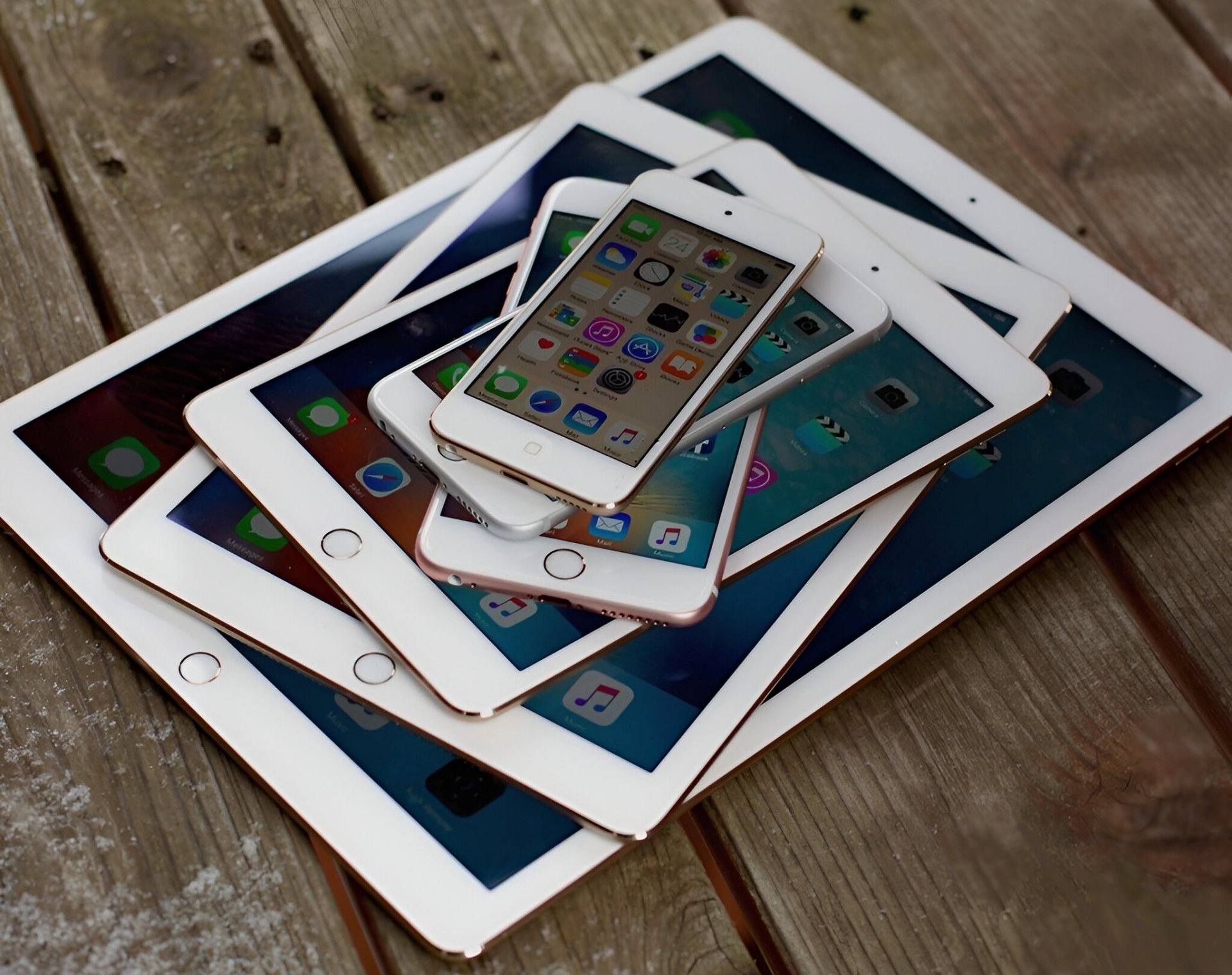
Technology has changed the way we work, study, and stay connected. A few years ago, computers were the main digital tools for communication and entertainment. Today, smartphones and tablets have taken over many of those roles. Both devices offer fast processors, long battery life, and powerful apps. But choosing between a smartphone and a tablet is not always easy. Each device serves a different purpose, and the right choice depends on your needs.
In this guide, we compare smartphone vs tablet in a simple, honest, and practical way. We will review how they differ in size, portability, performance, features, productivity, media use, gaming, calling, creativity, battery life, and price. By the end, you will know exactly which device suits your lifestyle.
Before comparing these devices, it helps to understand what they actually are.
Understanding Smartphones, Phablets, and Tablets
Smartphone
A smartphone is a compact mobile device designed for communication, apps, browsing, photography, and daily tasks. Most smartphones have screens between 5 inches and 6.5 inches and are easy to operate with one hand. They combine portability with powerful features, making them ideal for everyday use.
Phablet
A phablet is a large smartphone that sits between a phone and a tablet in size. Phablets typically have screens from 6.5 inches to 7 inches, offering more space for videos, gaming, and multitasking. While still portable, they often require two hands for comfortable use due to their bigger display.
Tablet
A tablet is a larger touchscreen device, generally ranging from 7 inches to 13 inches. It provides a bigger display for reading, watching movies, studying, and creative work. Tablets offer many computer-like functions while remaining lightweight and easy to carry. The iPad and Android tablets are popular examples.
1. Portability: Which Device Is More Convenient?
Portability is where smartphones shine. A smartphone fits easily into your pocket, bag, or hand. You can carry it anywhere without effort. Because of their compact size and light weight, smartphones are the most convenient everyday device. The screens of phones have increased to a large extent over the years and hence we might see more bigger smartphones in the future.
Tablets, on the other hand, are larger and need a pouch or case. They range from 7 to 13 inches, making them less pocket-friendly. While they are thinner and lighter than laptops, tablets still require a dedicated space in your backpack.
Verdict:
If you want a device you can use anytime and anywhere, a smartphone is the better choice.
2. Ease of Use and Grip
Smartphones are designed for one-hand use. You can text, scroll, take photos, or make calls with one hand, even while standing or walking.
Tablets usually need two hands because of their larger size. You will also need a surface if you plan to type for long periods. Reading or browsing on a tablet for too long can become tiring if you hold it with one hand.
Verdict:
For quick tasks and daily convenience, the smartphone wins.
3. Media and Entertainment Experience
When it comes to watching movies, reading e-books, or browsing photos, the tablet offers a much better experience.
The bigger screen makes videos more enjoyable, text easier to read, and apps more comfortable to use. Tablets are excellent for:
- Streaming movies
- Reading digital books
- Watching YouTube
- Viewing presentations
- Learning from online courses
Smartphones can play all kinds of media, but the small screen limits comfort, especially for long videos or detailed graphics.
Verdict:
For entertainment and reading, the tablet is the clear winner.
4. Calling and Messaging
Smartphones are built for communication. Calling, texting, video calling, and messaging apps work flawlessly on phones. With a smartphone, communication is quick and smooth.
Some tablets support SIM cards and allow calling, but holding a large tablet to your ear looks awkward. Most users rely on tablets only for video calls or messaging apps.
Verdict:
For communication, smartphones are unmatched.
5. Performance and Features
Both smartphones and tablets come with a wide range of features. The performance depends mainly on the model and price.
Modern smartphones offer:
- Fast processors
- High RAM
- Sharp cameras
- AI features
- Fast charging
- 5G connectivity
Tablets also offer strong performance, especially the high-end ones. They are excellent for:
- Reading documents
- Watching content
- Studying
- Light productivity
- Drawing (with stylus support)
However, smartphones often get better cameras and AI features, while tablets focus more on screen size and battery life.
Verdict:
For advanced features like photography and AI, go for a smartphone.
For large-screen productivity and media use, choose a tablet.
6. Productivity: Which One Helps You Work Better?
If you want to do office tasks, read documents, or attend online classes, the tablet offers more comfort. The larger display is helpful for:
- Writing emails
- Reading PDFs
- Editing documents
- Joining online meetings
- Using split-screen apps
Many tablets also support keyboard attachments and digital pens, turning them into mini-workstations.
Smartphones can handle these tasks too, but the small screen makes them less suitable for long working sessions.
Verdict:
For work and study, the tablet performs better.
At the end of the day, the base features of all these smart devices are relatively the same. The device you should buy depends primarily on your needs.
7. Creativity: Drawing, Notes, and Design
Tablets are excellent creative tools. Many support styluses like:
- Apple Pencil
- Samsung S Pen
- Universal stylus pens
These pens allow precise writing, sketching, editing, and designing. Tablets support professional apps for drawing, animation, and graphic design.
Smartphones support styluses too, but the small screen reduces comfort and creativity flow.
Verdict:
For art, design, and note-taking, the tablet is the best choice.
8. Gaming Experience
Both devices support gaming, but the experience differs.
Smartphones offer:
- High-refresh-rate displays
- Fast processors
- Better portability
Tablets deliver:
- Bigger screens
- More immersive gameplay
- Longer sessions without eye strain
Casual games feel great on phones, while graphic-rich games look better on tablets.
Verdict:
For casual gaming → Smartphone
For immersive gaming → Tablet
9. Battery Life
Tablets generally have larger batteries, which means longer screen-on time. They are perfect for reading, watching movies, and studying for long hours.
Smartphones are used more heavily throughout the day for calls, messages, and apps, so the battery drains faster.
Verdict:
For long usage sessions, the tablet wins.
10. Cost and Value for Money
Smartphones come in a wide range of prices. Entry-level smartphones are cheap, while top-end flagship models can be very expensive.
Tablets also vary in cost but are often more affordable than flagship phones. However, high-end tablets like the iPad Pro can be quite expensive.
Verdict:
Both are available in different price ranges. Choose based on your primary needs.
Conclusion: Smartphone vs Tablet — Which One Should You Buy?
Choosing the right device depends on your lifestyle and purpose.
Buy a Smartphone if you want:
- A device for calling and communication
- A compact tool for daily use
- A good camera
- Easy portability
- All-in-one convenience
Buy a Tablet if you want:
- A large screen for reading or watching videos
- A device for students or office tasks
- A tool for drawing or creative work
- Better gaming experience
- Long battery life
Both devices are powerful and useful. But the best device is the one that matches your needs. Make a list of what matters most to you—portability, screen size, creativity, battery life, or work—and choose accordingly.
