
Tag: tips

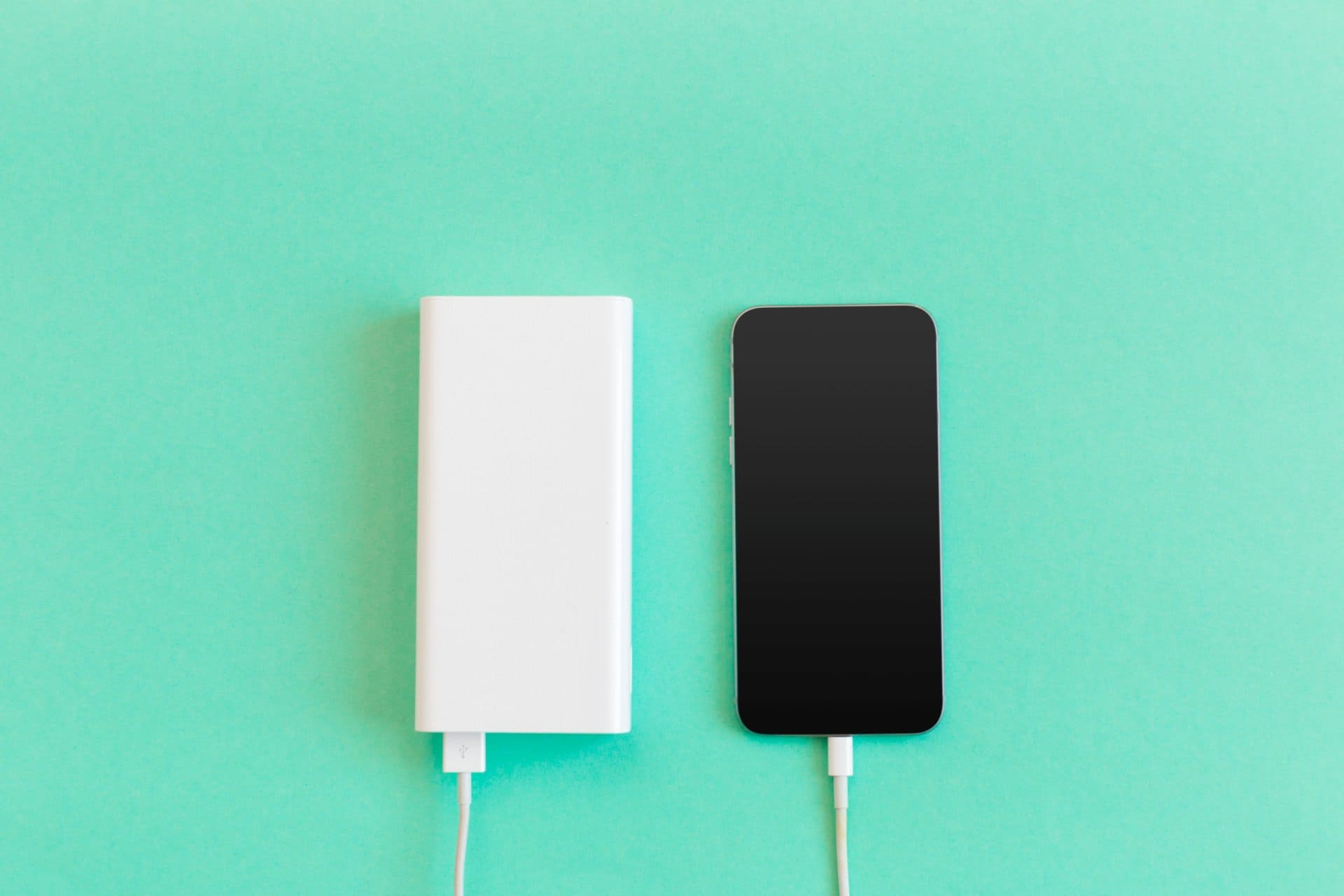
  • Top Smartphone Battery Myths You Should Stop Believing

    Top Smartphone Battery Myths You Should Stop Believing

    Smartphone batteries power almost everything we do — communication, banking, navigation, entertainment, learning, and work. Yet battery care is one of the most misunderstood areas of smartphone usage. Many people still follow old habits or believe outdated advice that causes more harm than good.

    While smartphone technology has evolved rapidly, many myths about batteries continue to circulate. Some of these misconceptions seem harmless. Others can actually reduce battery lifespan, cause performance issues, or create safety risks.

    This article cuts through the noise and breaks down the most common smartphone battery myths, explains what’s true, and highlights the smart habits that genuinely improve your battery’s health.

    “Good battery life is not luck — it’s the result of good habits and accurate knowledge.”

    Let’s explore the myths one by one.


    Why Battery Myths Spread So Easily

    Most people learned early battery habits from older devices, especially phones that used nickel–cadmium (Ni-Cd) or nickel–metal hydride (Ni-MH) batteries. Those technologies behaved very differently from today’s lithium-ion (Li-ion) and lithium-polymer (Li-Po) batteries.

    Many outdated ideas have simply been passed down:

    • “Drain your battery fully before charging.”
    • “Don’t charge your phone overnight.”
    • “Different chargers damage your battery.”

    These statements might have applied to older batteries, but modern smartphone batteries operate on completely different chemistry.

    Understanding these changes helps protect your phone and improve its long-term performance. You can also learn to make your smartphone battery’s charging last longer by following simple Dos and Donts.


    Myth 1: You Must Fully Drain Your Battery Before Charging

    This is one of the oldest and most persistent myths in phone history. People still believe that letting the battery drop to 0% improves performance or “resets” the battery.

    Reality:

    Modern smartphones use lithium-ion batteries, which perform best when they are kept between 20% and 80% most of the time.

    Letting your battery hit 0% frequently puts unnecessary stress on the cells and shortens the lifespan. It can also cause the phone to enter a deep-discharge state, which is risky.

    Why the myth existed:

    Older Ni-Cd batteries had a “memory effect,” where they lost capacity if not fully discharged. Lithium-ion batteries do not suffer from this problem.

    Smart habit:

    • Try not to let your battery drop below 20% regularly.
    • Charge in small bursts when convenient — it’s healthier for the battery.

    Myth 2: You Should Not Charge Your Phone Overnight

    Many people think charging overnight harms the battery or “overfills” it. This worry comes from misunderstanding how charging systems work.

    Reality:

    Smartphones are designed with advanced charging logic. When your battery reaches 100%, the phone automatically stops charging. Power flows directly to the device instead of the battery.

    Your battery is not being continuously charged all night.

    However, overnight charging can keep the phone warm, especially if placed under a pillow, case, or blanket. Heat is the real enemy, not the act of charging itself.

    Why the myth spreads:

    People assume that if the phone stays at 100% for hours, it must be harmful. But phones trickle-charge and regulate voltage carefully.

    Smart habit:

    • Charging overnight is safe, but avoid covering the phone.
    • Use original chargers to prevent overheating.

    Myth 3: Closing Apps Saves Battery

    This myth is so common that even experienced users believe it. Many people constantly swipe away all background apps to “reduce battery drain.”

    Reality:

    Modern operating systems like Android and iOS are designed to manage background apps automatically. When an app is not in use, the system freezes it, and it consumes almost no power.

    Repeatedly closing apps forces the phone to use more battery to reopen them later.

    Why people believe this myth:

    Seeing many apps in the recent apps menu makes it look like they are still running. In reality, most of them are idle and not consuming resources.

    Smart habit:

    • Only close apps that are misbehaving (glitches, freezing, heating).
    • Let the system manage the rest.

    Myth 4: Using Third-Party Chargers Damages the Battery

    This myth is partially true and partially false — and needs clarification.

    Reality:

    Using a cheap, low-quality, uncertified charger can be dangerous. These chargers may deliver unstable voltage and harm the battery.

    But using a good-quality third-party or certified charger from a reputable brand is safe.

    Your phone controls the power intake, not the charger. The charger simply provides voltage; the phone regulates how much power the battery accepts.

    Why this myth exists:

    Cheap chargers used to damage devices because they lacked protective circuits. Today, certified chargers meet strict safety standards.

    Smart habit:

    • Avoid unbranded chargers.
    • Look for chargers that support your phone’s charging standards.
    • Choose brands with safety certifications.

    Myth 5: Fast Charging Harms Your Battery

    Many users believe fast charging “burns out” the battery or shortens its lifespan.

    Reality:

    Fast charging is designed by engineers who carefully control voltage and temperature. Your phone regulates the speed of charging based on heat and battery condition.

    Fast charging only outputs full speed up to a certain percentage — usually around 50–60%. After that, the charging speed automatically slows down to protect the battery.

    Why people believe it:

    Fast chargers get warm, and warmth feels dangerous. But this heat is monitored and managed.

    Smart habit:

    • Fast charge when needed.
    • For overnight charging, slow chargers are a gentler option (but optional).
    • Keep the phone in a cool space while charging.

    Myth 6: Turning Off Wi-Fi, Bluetooth, and Location Always Saves Battery

    People often disable these features assuming they drain power constantly.

    Reality:

    Modern smartphones are optimized to manage these features with very minimal battery usage when idle.

    The battery drain is negligible when:

    • Wi-Fi is on but not connected
    • Bluetooth is on but not paired
    • Location services are idle

    The real consumption happens only during active usage.

    Smart habit:

    • Disable these services only if the battery is critically low.
    • Otherwise, don’t worry — they barely affect modern smartphones.

    Myth 7: Battery-Saving Apps Improve Battery Health

    There are countless apps claiming to “boost battery life” or “optimize performance.”

    Reality:

    Most of these apps do more harm than good. They force-stop background processes repeatedly, increasing battery usage. Some even collect user data or show intrusive ads.

    Smart habit:

    • Use built-in battery optimization tools instead of third-party battery apps.
    • Let the phone manage its own processes.

    Myth 8: Keeping the Phone Plugged In Damages the Battery

    Some people believe that keeping the phone plugged in while using it harms the battery.

    Reality:

    Using the phone while plugged in is safe, but heat can accumulate during heavy use.

    Playing games, editing videos, or running intensive apps while charging can cause the device to warm up. Again, heat, not the act of plugging in, is the issue.

    Smart habit:

    • Avoid heavy usage while charging.
    • Keep the phone uncovered.
    • Use original or certified chargers.

    Myth 9: You Must Always Charge to 100%

    Some users feel insecure unless their battery is full.

    Reality:

    Charging to 100% is not harmful, but lithium-ion batteries are happiest between 40% and 80% for daily use.

    Charging fully occasionally is fine, but doing it constantly can add small stress to the battery.

    Smart habit:

    • Charge fully only when needed (like long travel).
    • Daily charging can be partial.

    What Actually Damages Your Smartphone Battery?

    Now that the most common myths are clear, let’s identify the real factors that reduce battery health:

    1. Heat

    The biggest enemy of battery lifespan. Heat accelerates chemical aging.

    2. Continuous deep discharge

    Frequently letting the battery hit 0% shortens its life.

    3. Extreme charging habits

    Keeping the battery at 100% while exposed to heat can cause stress.

    4. Cheap chargers and cables

    Low-quality accessories can cause voltage instability.

    5. Heavy usage during charging

    This creates heat buildup.

    6. Battery aging

    Every battery naturally loses capacity over time — this is normal.


    How to Increase Your Smartphone Battery Lifespan (Pro Tips)

    Here are practical, expert-backed tips to extend your battery life:

    1. Keep the battery between 20%–80% whenever possible

    Avoid deep discharge and unnecessary full charges.

    2. Avoid exposing your phone to heat

    Don’t leave it in the car, under pillows, or near sunlight.

    3. Use original or certified chargers

    Good quality accessories protect your device.

    4. Remove thick covers during charging

    This allows better heat dissipation.

    5. Use dark mode and reduce screen brightness

    The display consumes more energy than any other component.

    6. Keep your software updated

    Manufacturers improve battery optimization over time.

    7. Uninstall battery-draining apps

    Some apps run heavy background activity.

    8. Avoid fast-charging constantly if you don’t need it

    Use it when necessary; slow charging is gentler.


    Are Battery Health Numbers Always Accurate?

    Most smartphones display battery health percentages. These numbers are estimates based on charge cycles and voltage readings. They help track aging but are not perfectly precise.

    If your battery health drops below:

    • 85% → You may notice reduced backup
    • 80% → Replacement may be beneficial
    • 70% or below → Expect significant performance impact

    Battery replacement is safe and affordable — and can give your phone a fresh life.


    When Should You Replace Your Phone Battery?

    Consider replacement if:

    • The phone shuts down unexpectedly
    • Battery drains unusually fast
    • Battery health reading is low
    • The phone heats up regularly
    • Charging takes too long

    A fresh battery can restore performance, eliminate lag, and extend your phone’s lifespan by years.


    Conclusion: Focus on Real Facts, Not Myths

    Smartphone batteries are more advanced, safer, and more efficient than ever. But they still need proper care — not outdated habits or viral myths.

    Understanding the truth behind battery behavior helps you:

    • Extend lifespan
    • Improve performance
    • Reduce overheating
    • Avoid unnecessary damage
    • Save money on early battery replacements

    “The more you understand your battery, the longer it lasts.”

  • 10 Useful Things To Do During Corona Virus Lockdown

    10 Useful Things To Do During Corona Virus Lockdown

    During this Corona Virus lockdown period, most people among us are simply wasting our precious time in watching TV and surfing YouTube and other social media apps like Whatsapp, Instagram, Facebook and Twitter.

    Instead of wasting our valuable time in all unproductive activities, what other good activities can we do that can be productive and beneficial for us?

    Before the lockdown, most of us had many important things which were being kept pending due to our busy schedules and lack of free time. This is also a very good opportunity to complete all those tasks if they can be done at home during this free time.

    Lets compile a list of all important and productive things we can do during this period and get the best out of it.

    10 Useful Things We Can To Do To Utilize Our Time During Corona Virus Lockdown

    1. Set proper sleeping and waking-up hours

    The first and the most important thing to keep ourselves from going astray is to set proper sleeping and waking up hours. In such free times, its very common to remain awake till late night and then wake up very late.

    Improper sleeping and waking up hours disturbs the entire schedule and makes us feel sleepy and uninterested due to lack of proper sleep all throughout the day. One should be very precise and devout when it comes to sleeping and waking up early.

    2. Exercise & Meditate

    Regular exercises and a little meditation helps us to be fit and increase concentration. We should always make it a daily routine to do all activities that are necessary for physical health and fitness.

    3.  Read books

    Reading is a very good habit which everyone should inculcate. Reading books and online resources helps us in increasing and updating our knowledge.

    There is no friend as loyal as a book.

    We should make sure we have a good stock of useful books for achieving various goals like increasing knowledge, gaining motivation and improving our thinking and analytical skills.

    In addition to countless benefits of book reading, book reading helps us to learn a lot of new things from experts and change our mindset accordingly.

    4. Play indoor games

    All work and no play makes jack a dull boy!  A little bit of fun and entertainment is necessary for everyone including the serious types of people.

    Other than various computer and mobile games, you can opt for some famous offline games like chess, carrom board, Ludo, ‘x and zero’, etc

    Life is more fun If you play games

    5. Learn cooking

    How about learning to cook. If you always wished to learn cooking but did not get time, then this is the best time to learn cooking.

    Your spouse can surely help you learn to cook the easiest recipes as a beginner and then gradually you can learn the more difficult ones.

    6. Learn new skills

    With no pressure and stress of work and office related tasks, this is a good opportunity to learn new skills. There are various skills and languages which you can learn online through YouTube or online courses on Udemy and Coursera. You can also search for free online courses if you do not want to spend.

    I have learned that i have a lot to learn

    7. Clean your home

    There must have been various occasions where you would have complained about a particular arrangement being improper or a particular section of your home not being cleaned properly. This is the perfect time to set all those things properly and see to it that everything is set flawlessly.

    You should arrange all your stuff properly and try to make everything more organized and systematic. You can also collect all your old unwanted tech gadgets and put it to some use.

    You should also organize your computer as well as smartphone in a better way by deleting all the junk data and organize and group all the files properly.

    8. Fulfill your old hobbies

    Everyone had hobbies as a kid which were not continued or remained unfulfilled due to stress of work. You can utilize this free time to get involved in all those little hobbies and activities through which you get enjoyment and satisfaction.

    9. Call your long-lost relatives and friends

    After devoting quality time with your family and kids, it is time to call and inquire about the well-being of all your old friends and distant relatives with whom you were not in touch for a long time.

    I am sure everyone has a lot of friends and previous colleagues with whom he has not chatted for a year or longer. So its time to check all your contacts and start calling them.

    10. Limit social media

    All of the above mentioned productive activities can only be achieved if we have enough free time.  If we review the time we are wasting daily on Whatsapp, Facebook, Instagram, YouTube and many other social media apps collectively, then we will surely come to a conclusion that a large part of it was completely useless and a waste of time.

    Social media usage has increased to such an extent today that we ourselves do not come to know that we are actually addicted and more than half of the activities are unwanted.

    We have to do a comprehensive analysis of all our social media activities and make a plan about how much time we should limit our social media usage to.  Here we need to segregate all those activities that are unwanted and need to be totally avoided.

    We can also take assistance of various apps that help us limit social media usage and avoid wasting our precious time in unproductive activities.

    Conclusion

    The corona virus quarantine and lockdown period is a once in a lifetime opportunity to utilize for those who are not working from home.  This is the best time to get involved in learning new skills and spending quality time with your family and kids.

    Please  share your experience and let us know your views in the comments below.

  • Average Salary of Mobile Repairing Technicians in India

    Average Salary of Mobile Repairing Technicians in India

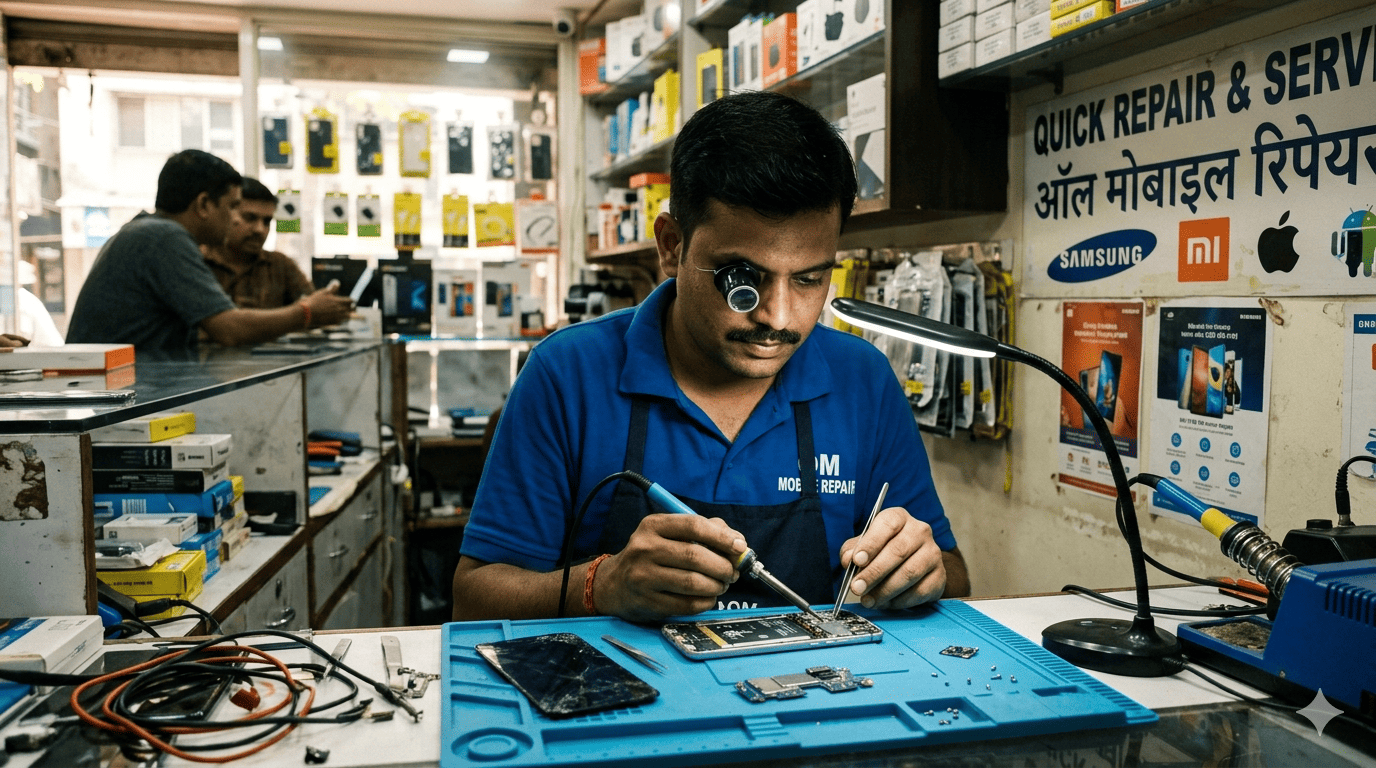
    A mobile repairing technician plays a crucial role in today’s technology-driven world. From broken screens and battery issues to software errors and network faults, technicians handle a wide range of problems in smartphones and tablets. The job requires problem-solving skills, patience, steady hands, and sometimes even good communication skills—especially when dealing with customers.

    With millions of smartphone users in India and a continuous rise in mobile device ownership, the demand for skilled repair technicians has grown rapidly. Many people consider mobile repairing as a stable career option, but the most common question remains:

    What is the average salary of a mobile repairing technician in India?

    In this detailed guide, we break down the earning potential of mobile repairing technicians, the factors that influence income, where job opportunities exist, and how you can grow your career in this field.

    “Your future depends on the skills you build today—and skill-based careers often reward dedication more than degrees.”


    What Does a Mobile Repair Technician Do?

    A technician’s job is a combination of technical knowledge, analytical thinking, and practical training. They diagnose faults, replace components, solve software issues, and bring damaged devices back to life.

    Technicians typically repair:

    • Display and touch issues
    • Battery and charging faults
    • Speaker, mic, and camera problems
    • Motherboard and IC-level issues
    • Software errors, viruses, and crashes
    • Network and signal faults

    The best part? You don’t need a technical background or high academic qualifications to learn mobile repairing. A good training institute can teach you the skills required to start a career in this field.


    Why Salary Expectations Matter

    Before choosing any profession, it’s natural to ask:

    • Will I earn enough in this field?
    • What is the career growth?
    • Are there job opportunities across India?
    • How much can I earn as I gain experience?

    These questions help career seekers make informed decisions. Mobile repairing is a skill-based profession, and like every other skill-based job, income depends on ability, experience, and practical knowledge.

    Along with salary, career seekers also want to know whether there are enough job opportunities in mobile repairing in India. People do not want to enter into an industry where there are very few job vacancies and career prospects are low.


    Factors That Decide a Technician’s Salary

    Salary in the mobile repair industry is not fixed. It varies widely based on several factors. Understanding these helps you plan your career more effectively.

    In mobile phone repairing field, troubleshooting skills matter more than qualifications because this career is based on skill, not formal education.


    1. The Company or Shop You Work For

    Different service centers pay differently. For example:

    • Brand-authorized service centers (Apple, Samsung, Vivo, Oppo, Xiaomi) generally pay higher.
    • Independent mobile repair shops offer salary or profit-sharing models.
    • Corporate repair chains offer structured salary slabs with bonuses.

    Your income depends on how the organization values skill, speed, and experience.


    2. Location of Work

    Metro cities like Mumbai, Delhi, Bangalore, Chennai, and Hyderabad offer higher salaries because:

    • Cost of living is higher
    • Demand for repairs is stronger
    • Service centers handle larger customer volumes

    Small towns pay slightly lower, but technicians often earn more through commission or individual customer repairs.


    3. Experience & Seniority

    In this industry, experience is extremely valuable. A technician who has handled hundreds of repairs can diagnose faults faster and solve complex issues confidently.

    Experience influences:

    • Salary package
    • Job title (Junior, Senior, Lead Technician)
    • Ability to handle advanced repairs
    • Speed and accuracy

    The more experience you gain, the more you earn—both as a technician or as a business owner.


    4. Your Skills & Expertise Level

    Skill is everything in the mobile repairing industry.

    A technician who can only handle basic repairs like:

    • Battery replacement
    • Screen changes
    • Software formatting

    … will earn less than someone who can repair:

    • IC problems
    • Motherboard faults
    • Water damage
    • Chip-level components

    Advanced skills bring higher pay, and many technicians choose to upgrade their abilities through specialized training.


    Average Salary of Mobile Repair Technicians in India

    Now let’s come to the main question.

    Based on industry trends and hiring patterns across major Indian cities, here is a realistic and updated salary overview:


    ✨ For Freshers (Entry-Level Technicians)

    Average salary range: ₹10,000 to ₹18,000 per month

    Freshers who have just completed a mobile repairing course usually start with basic repairs. Their income increases gradually as they gain speed and confidence.

    Freshers earn more if they:

    • Join a branded or high-volume service center
    • Learn both hardware and software repairs
    • Have good troubleshooting skills
    • Show reliability and professionalism

    ✨ For Experienced Technicians (Mid-Level)

    Average salary range: ₹20,000 to ₹35,000 per month

    These technicians handle a wide range of faults. Many also earn extra from incentives, commissions, or side jobs.


    ✨ For Senior Technicians / Chip-Level Repair Experts

    Average salary range: ₹35,000 to ₹60,000+ per month

    Chip-level technicians are in very high demand. They repair complex faults that others cannot handle. Their skills are rare, so their salary is significantly higher.

    Many senior technicians earn even more by:

    • Taking freelance repair work
    • Teaching mobile repairing
    • Working for private repair labs
    • Opening their own service center

    If you want to earn more than the above mentioned package, you will have to migrate to foreign countries like UAE, Saudi Arabia, Qatar, US, UK, Australia, Canada, etc.

    The other option to earn more in mobile repairing industry is to start your own  repair service centre business and offer a range of services. You can also start a home-based business providing mobile repairing services from home as an alternative option.


    Earning Opportunities Beyond Salary

    One of the biggest advantages of this field is the huge earning potential outside traditional jobs.

    Here are additional ways technicians increase their income:


    1. Home-Based Repair Services

    Technicians who repair phones from home can earn extra income without opening a shop. Word-of-mouth alone brings many customers.


    2. Opening a Mobile Repair Shop

    This is one of the most profitable options.

    A shop owner earns from:

    • Repairs
    • Accessories
    • Spare parts
    • Buying and selling used phones

    Even small shops earn well if located in busy markets.


    3. Freelancing & On-Demand Repair Services

    Some technicians offer doorstep repair services, especially for simple jobs like:

    • Screen replacement
    • Battery change
    • Speaker/mic repair

    This model offers very high profit margins.


    4. Working Abroad

    Many Indian technicians migrate to countries like UAE, Saudi Arabia, Qatar, Canada, the UK, and Australia.

    Why?

    • Higher salary packages
    • Shortage of skilled technicians abroad
    • Better working conditions
    • Higher demand for mobile repair services

    International experience also improves earnings back in India.


    Why Mobile Repairing Is a Stable Career

    The mobile industry is one of the fastest-growing sectors in India.

    Here’s why technicians enjoy long-term stability:

    • Smartphone use keeps increasing
    • Repairs are essential—customers cannot delay fixing phones
    • Spare parts are easily available
    • Skill-based jobs survive economic downturns
    • Advanced phones require advanced repair skills

    During tough economic times, many industries struggle—but mobile repairing remains essential because people need their phones for everyday life.

    “A damaged phone can wait for nothing—repairs always stay in demand.”


    Where Do Mobile Repair Technicians Get Jobs?

    Technicians can work in multiple places, such as:


    1. Branded Service Centers

    Companies like:

    • Apple
    • Samsung
    • Oppo
    • Vivo
    • Xiaomi
    • OnePlus
    • Realme

    They offer structured salary, training, and growth opportunities.


    2. Multi-Brand Repair Shops

    These shops deal with all types of smartphones. Work is fast-paced and varied, making it great for skill development.


    3. Corporate Repair Chains

    Many companies run large service centers and hire technicians across India.


    4. Refurbishing & Recycling Companies

    These firms buy old phones, repair them, and resell refurbished devices.


    5. Self-Employment

    From opening a shop to freelancing, the opportunities are endless.


    How to Become a Mobile Repair Technician

    The best way to start is by joining a professional mobile repairing course.

    A good institute teaches:

    • Basics of electronics
    • Smartphone hardware
    • Software flashing
    • Troubleshooting
    • Chip-level concepts
    • Practical hands-on repairs

    Institutes like Prizm Institute offer structured and advance mobile repairing course covering both hardware and software thoroughly. You don’t need any previous technical experience or academic qualification to enroll.

    Qualification Requirements

    • Most employers prefer 10th or 12th pass candidates
    • Many shops and service centers do not have strict eligibility criteria
    • Skill, speed, and accuracy matter more than degrees

    Students with higher qualifications may get faster promotions into supervisor or manager roles.


    Conclusion

    The salary of mobile repairing technicians in India varies based on skills, experience, and workplace. Freshers earn a decent starting income, and as technicians gain expertise, their income increases significantly. Chip-level technicians, shop owners, and freelancers earn even more.

    This career is stable, in demand, and skill-driven—perfect for those who want a job-oriented profession without needing a high academic degree.

    “In the world of repair, skill is your greatest salary booster.”

    If you’re looking for a hands-on, rewarding career with strong earning potential, mobile repairing is one of the best fields to begin your journey.

  • 10 Smart Things to Do With Old Phones, Gadgets & Laptops

    10 Smart Things to Do With Old Phones, Gadgets & Laptops

    Every year, millions of people upgrade their smartphones, laptops, tablets, and other gadgets. Newer models offer smoother performance, better cameras, longer battery life, and smart features that feel hard to resist. But what happens to the old devices we leave behind?

    Most of the time, they end up forgotten in a drawer, collecting dust. Larger appliances usually go straight to the trash, adding to electronic waste. But your old tech still holds value — either as a reusable device, recyclable material, or something creative and purposeful.

    “Old tech isn’t useless — it just needs a new purpose.”

    Instead of letting your electronics go to waste, here are 10 smarter, environmentally friendly, and practical things you can do with old and unwanted gadgets.


    1. Recycle Your Old Tech (Safest & Most Responsible Option)

    One of the most impactful things you can do for the environment is to recycle old electronics properly. E-waste contains metals and harmful components that shouldn’t end up in landfills.

    Why recycling matters

    • Reduces soil and water contamination
    • Saves valuable metals like copper, gold, and aluminum
    • Supports responsible disposal
    • Helps reduce global e-waste

    Many manufacturers and retailers now offer safe recycling programs. For example, brands like Samsung, Apple, Dell, and HP and retailers like Currys now offer safe recycling schemes collect old devices for certified recycling. Local electronic shops and city-run e-waste centers also accept old gadgets.

    You can recycle:

    • Smartphones
    • Laptops and tablets
    • Keyboards, mice, and computer parts
    • Home appliances
    • TVs and audio systems
    • Small kitchen gadgets

    If you want to reduce your carbon footprint, recycling is the best choice.


    2. Donate Your Old Devices to Charity or NGOs

    Instead of letting your old phone sit unused, you can give it to someone who genuinely needs it. Many charities accept both working and non-working electronic items.

    Where your donations help

    • Underprivileged students
    • Low-income families
    • Community education centers
    • NGOs supporting digital literacy
    • Elderly people learning technology

    Some organizations refurbish devices before providing them to needy individuals. Others recycle damaged gadgets to raise funds. Oxfam has partnered with Corporate Mobile Recycling to set up a scheme for recycling old phones.

    A single working smartphone can make a huge difference – helping someone attend online classes, apply for jobs, or stay connected to their family.

    “Your old device could be someone else’s first step toward opportunity.”


    3. Sell or Trade In Your Used Gadgets

    If your old device still has value, selling or trading it in is a smart financial move. Many companies offer trade-in programs that reduce the cost of your next purchase. Amazon Trade-In Program offer vouchers or discounts on new tech when you trade in your old eligible device.

    Where you can sell or trade in

    • Amazon Trade-In
    • Cashify
    • Local mobile repair shops
    • Online marketplaces (OLX, Facebook Marketplace)
    • Manufacturer buyback programs

    Trade-in programs often give you:

    • Instant exchange value
    • Store credit
    • Discount on new products

    Selling your old tech not only earns you money but also ensures the device gets reused instead of being thrown away.


    4. Repurpose or Upcycle Your Old Gadgets

    If you enjoy DIY projects or simply love creative ideas, you can convert your old tech into something useful. The possibilities are literally endless! Take a look at this article if you need some further inspiration.

    Fun upcycling ideas

    • Turn your old laptop into a home media server
    • Use an old phone as a dedicated music player
    • Convert a smartphone into a smart home remote
    • Turn a tablet into a digital photo frame
    • Use computer circuit boards as décor pieces
    • Make a quirky lamp or table from recycled parts

    Repurposing tech is satisfying, eco-friendly, and sometimes even artistic.


    5. Turn Your Old Phone Into a Home Security Camera

    One of the easiest and most practical ways to reuse your smartphone is to convert it into a security camera.

    All you need is:

    • A charger
    • A Wi-Fi connection
    • A free CCTV or baby-monitor app

    Popular uses

    • Monitor your home entrance
    • Watch over pets
    • Use as a baby camera
    • Keep an eye on elderly family members

    Old phones still have working cameras and Wi-Fi, making them perfect for this new role.


    6. Use Old Devices as Backup or Emergency Gadgets

    An old phone or laptop is extremely valuable as a backup device. Gadgets can fail without warning, and having a spare device can save you from trouble.

    Backup uses:

    • Emergency communication
    • A spare phone for travel
    • A device for storing important files
    • Backup hotspot device
    • Spare laptop for urgent work

    Instead of disposing of your old tech immediately, consider keeping it as a backup for emergencies.


    7. Give Old Tech to Kids for Learning or Entertainment

    Children can use older gadgets for learning apps, educational videos, reading, and gentle entertainment.

    Benefits of repurposing tech for kids

    • Cost-effective
    • Minimizes risk to your expensive new device
    • Helps children learn digital skills
    • Perfect for school projects and reading apps

    Just ensure you reset the device and enable parental controls before handing it to kids.


    8. Use Your Old Smartphone as a Dedicated GPS Device

    If you travel often or drive daily, you can turn your old smartphone into a dedicated GPS device for your car or bike. This prevents your primary phone from overheating or draining battery while navigating.

    How to set it up

    • Install offline maps
    • Mount the phone on a car holder
    • Use a dedicated charger
    • Download GPS apps like Google Maps, Waze, or MapFactor

    This extends the life of your old device while improving your travel experience.


    9. Convert Your Old Laptop Into a Media Center or Entertainment Device

    Old laptops often struggle with heavy work tasks but still perform well for entertainment.

    You can turn it into:

    • A movie & streaming device (Netflix, YouTube, Hotstar)
    • A music server
    • A storage machine for photos and videos
    • A device for basic tasks like browsing or writing

    Install a lightweight operating system if needed — this can dramatically improve performance and give your laptop a new life.


    10. Use Old Tech for Experiments, Repair Practice, or Learning Skills

    If you’re interested in technical skills, your old devices are the perfect place to start learning repairs or electronics basics.

    You can learn:

    • Mobile repairing
    • Laptop disassembly
    • Software flashing
    • Battery replacement
    • Hardware troubleshooting

    Institutes like Prizm Institute encourage students to practice on old devices in their mobile repairing and servicing course before working on real customer phones.

    This not only teaches troubleshooting but also builds confidence.

    “The best way to learn repairs is by practicing on something old and fearless.”


    Is It Safe to Recycle, Resell, or Donate Your Old Gadget?

    Yes — as long as you take a few precautions.

    Before giving away any device:

    • Backup your data
    • Factory reset the device
    • Remove SIM card and memory card
    • Log out of accounts
    • Wipe your storage securely
    • Remove passwords and fingerprints
    • Disconnect cloud accounts (Google, Apple ID, Microsoft)

    Proper data wiping ensures your personal information stays protected.


    Conclusion

    Old gadgets should not be thrown away thoughtlessly. They contain valuable materials, useful components, and the potential for new purpose. Whether you choose to recycle, repurpose, donate, or trade in your old devices, you are making a responsible and meaningful choice.

    With these 10 smart ideas, you can reduce waste, help others, save money, and even create something new and creative. Instead of letting your electronics gather dust, give them a second life — responsibly and thoughtfully.

    “Every old gadget has a future. You just have to decide what it becomes next.”

    What do you plan to do with your old tech? Share your ideas and experiences in the comments!

  • 7 Best Courses for School and College Dropouts in India

    7 Best Courses for School and College Dropouts in India

    India is a country full of ambition, potential, and young talent. With one of the world’s largest youth populations, our nation has a powerful workforce that can bring tremendous growth when given the right direction and skill training. Education plays a major role in this process, but the path is not always smooth for everyone.

    Many students leave school or college midway due to financial issues, family pressure, learning difficulties, health concerns, lack of interest, or the need to start earning early. Dropping out is often seen as a setback, but in reality, it does not mean the end of career opportunities. Skill-based learning can open doors to stable income, confidence, and long-term growth.

    “Education is one way to build a career. Skill is another—and both can lead to success.”

    Today, several short-term and vocational courses allow school and college dropouts to build respectable, financially secure careers without traditional degrees. These programs focus on practical knowledge, hands-on training, and real-world job opportunities.

    This article highlights the best courses in India that help dropouts start a strong career, regain confidence, and create a meaningful future.


    Why Dropouts Need Skill-Based Courses

    Dropping out of school or college is a major turning point. After leaving traditional education, many students feel confused about their next step. Skill-based courses solve this problem by offering:

    • Job-ready training
    • Low fees
    • Short duration
    • Hands-on practice
    • High demand in the job market
    • Opportunities for freelancing or self-employment

    These courses focus more on what you can do rather than what degree you have. That is why they are practical and accessible options for students looking to restart their journey.

    According to RTE India, many children leave school or college for various reasons, and dropping out has become common across the country.


    Challenges Faced by School and College Dropouts

    Before discussing the courses, it’s important to understand the challenges dropouts face:

    • Difficulty finding stable jobs
    • Lack of financial independence
    • Low confidence due to academic gaps
    • Pressure from family or society
    • Limited awareness about alternative career options

    These challenges can be overcome with proper skill development and guidance. A good vocational program not only teaches a trade but also helps individuals regain confidence and direction. There are many part-time and full-time technical courses to aid these students through which they can earn a decent livelihood.


    7 Best Courses for School and College Dropouts in India

    Here are the most practical, job-oriented, and affordable courses ideal for young learners who want to build a career without traditional academic degrees.


    1. Mobile Repairing Course

    Smartphones have become an everyday essential for individuals and businesses. With millions of devices sold each month, the demand for mobile repair technicians continues to rise. This makes mobile repairing one of the best career options for dropouts.

    Why this course is ideal

    • No technical background needed
    • Short-term duration
    • Affordable training fees
    • High demand across India
    • Opportunity to start your own business

    Students learn to repair:

    • Touchscreens
    • Charging ports
    • Batteries
    • Software issues
    • Network faults
    • Camera and speaker problems

    Students who have dropped out from schools or colleges can reach out to a mobile repairing institute in Mumbai like Prizm Institute that offers mobile repairing courses to learn the required skills and thus start their career in this field.

    Mobile repairing offers strong earning potential, independence, and long-term growth—making it one of the most suitable courses for school or college dropouts.


    2. CCTV Installation Course

    Security systems have become essential for homes, shops, and businesses. As a result, the demand for CCTV installation technicians has increased rapidly.

    Skills covered in this course

    • Installation of CCTV cameras
    • Wiring and connectivity
    • DVR/NVR setup
    • Remote monitoring configuration
    • Maintenance and servicing

    As it does not require any pre-designed technical background, any diploma or certificate course in CCTV installation will pave way for an employment opportunity in this surveillance field. This course does not require prior technical knowledge. Students learn everything step-by-step and can start taking installation jobs soon after completing training.

    CCTV installation also offers the opportunity to work independently, take contract-based projects, or partner with security companies.


    3. Gym Trainer & Fitness Instructor Course

    Fitness awareness has grown significantly in India. People of all ages join gyms to maintain health, build muscle, or manage lifestyle diseases. This increase has created a strong demand for qualified gym trainers. Students (with an affinity for fitness) facing the problem of unemployment due to lack of a required educational background, can undergo a training course in personal fitness so that they can earn a good livelihood by further guiding people to achieve the perks of fitness. 

    Why fitness training is a good option

    • Ideal for students passionate about health and exercise
    • No formal academic qualification required
    • Growing number of gyms and fitness centers
    • Opportunities for freelance personal training
    • Good earning potential through one-on-one sessions

    Training institutes teach anatomy, diet planning, workout routines, posture corrections, and injury prevention. Once certified, students can work as:

    • Gym trainers
    • Personal fitness coaches
    • Freelance instructors
    • Online fitness coaches

    For dropouts who enjoy fitness, this field provides a rewarding and respected career.

    Read 10 Best Career Oriented Certificate Courses after 10th and 12th in India


    4. Lab Technician (DMLT Course)

    A Diploma in Medical Laboratory Technology (DMLT) is a popular option for students who have completed at least Class 10 or 12. Lab technicians who have done DMLT play a crucial role in medical testing and diagnostics.

    What students learn

    • Blood tests
    • Urine analysis
    • Microbiology basics
    • Sample collection
    • Usage of lab equipment
    • Assistance in pathology labs

    Lab technicians work in:

    • Hospitals
    • Diagnostic centers
    • Pathology labs
    • Research laboratories

    With healthcare needs increasing, the demand for trained technicians continues to grow.


    5. Computer Hardware & Networking

    As businesses and individuals rely more on computers, the need for technicians who understand hardware and networking has grown significantly.

    Why this course is valuable

    • High demand for maintenance and troubleshooting
    • Opportunities in IT companies
    • Freelance and home-service options
    • Suitable for dropouts who enjoy technical tasks

    Training usually includes:

    • Computer assembling
    • Repairing components
    • Installing operating systems
    • Network setup
    • Troubleshooting hardware issues

    Prizm Institute also conducts computer hardware and networking course to assist students to become professional computer hardware and networking professionals.

    With increasing adoption of cloud technology, networking specialists are needed for both small and large companies.


    6. SEO and Digital Marketing Course

    Digital marketing has become one of the fastest-growing fields in India. With most businesses moving online, companies require experts who can promote their products and services digitally.

    Digital marketing includes

    • SEO (Search Engine Optimization)
    • Social Media Marketing
    • Google Ads
    • Content Marketing
    • Email Marketing
    • Analytics

    This course is ideal for dropouts because:

    • It requires no formal education
    • It offers work-from-home opportunities
    • Freelancing is common in this field
    • Businesses of all sizes need digital marketing

    Students can work as:

    • SEO specialists
    • Social media managers
    • Freelancers
    • Digital marketing executives
    • Content marketers

    With consistent learning and creativity, this field offers excellent income and long-term growth. Digital marketing which includes SEO, SMM, SEM, PPC is one of the most in-demand courses for people searching for good career options. You have to join the best SEO training course institutes to learn the required skills and become an expert in the field.


    7. Electrician Course

    Electrician work remains one of the most stable and evergreen professions in India. It does not require academic qualifications and provides strong income opportunities.

    What students learn

    • Electrical wiring
    • Repairs and maintenance
    • Safety standards
    • Installation of switches, fans, lights
    • Troubleshooting electrical faults

    Electricians can work:

    • Independently
    • As contractors
    • With construction companies
    • In residential and commercial buildings

    Since electricity is a basic need, electrician and wireman course is a hot option. These type of services will always be in demand—making this a secure and dependable career option.


    Additional Short-Term Courses for Dropouts

    Aside from the main seven, there are several other courses worth exploring:

    • Graphic designing
    • Beautician and salon courses
    • Tally and accounting
    • Welding and fabrication
    • Plumbing
    • Tailoring and fashion design
    • Photography and videography
    • Baking and culinary arts

    These courses help individuals find jobs quickly or start their own small businesses.


    Things to Consider Before Choosing a Course

    Choosing the right course requires self-awareness and proper guidance. Students should consider:

    1. Personal Interest

    Pick something you enjoy doing. Passion increases motivation.

    2. Skill Strength

    Select a course that matches your natural abilities.

    3. Earning Potential

    Research job availability and income prospects.

    4. Course Duration

    Short-term courses are ideal for quick employment.

    5. Cost of Training

    Most vocational courses are affordable, even for people with financial challenges.

    6. Job Placement Support

    Some institutes help students find jobs after training.

    Remember, the goal is to build a sustainable career—not just complete a course.

    “Skills create opportunities that degrees alone often cannot.”


    Conclusion

    Dropping out of school or college does not limit a person’s potential. Many successful people in the world have built their careers through skills, not degrees. In today’s competitive environment, vocational courses offer dropouts a second chance to shine.

    These seven skill-based courses—mobile repairing, CCTV installation, fitness training, lab technician training, hardware & networking, digital marketing, and electrician training—provide practical knowledge, earning potential, and long-term stability.

    They open doors to employment, self-employment, and entrepreneurship. With proper training and dedication, anyone can build a respected career.

    “Your future does not depend on where you stopped, but on what you choose to learn next.”

    If you know of other useful courses for dropouts, share them in the comments below!

  • 5 Signs You Should Replace Your Old Cell Phone and Buy a New One

    5 Signs You Should Replace Your Old Cell Phone and Buy a New One

    Smartphones have become an inseparable part of our daily lives. They help us communicate, work, learn, shop, and capture memories — all from a small device that fits in our pocket. As mobile technology grows rapidly, our expectations from our phones grow too. Faster processors, better cameras, longer battery life, stronger security — each upgrade pushes users to question whether their current phone is still enough.

    The truth is simple: no phone lasts forever. Regular use, aging components, and technological advancements slowly push older devices out of their comfort zone. At some point, you’ll begin to notice signs that your current smartphone is no longer keeping up.

    “A phone doesn’t stop working overnight. It gives small signs — you just have to listen.”

    Many people delay upgrading because their device “still works.” But working and working efficiently are two very different things. A slow, glitchy, unreliable phone can affect your productivity, security, and even safety.

    This article highlights the five most important signs that signal it is time to replace your old smartphone and invest in a new one. We’ll break down these signs in simple language, with real examples and clear guidance to help you make a confident decision.


    Why Phones Become Outdated Over Time

    Before diving into the signs, it helps to understand why phones age. Every smartphone has components — processors, memory chips, batteries, cameras — that wear down over time. Software also evolves, and new apps demand more power. Eventually, the gap between what your phone can handle and what you need becomes too large.

    Here are the most common reasons smartphones fall behind:

    • Components weaken with long usage
    • Apps require more storage and processing power
    • Software updates stop for older models
    • Batteries degrade naturally
    • New communication standards (5G, Wi-Fi improvements)
    • Increased security requirements

    Once these limitations start affecting your everyday experience, it’s a sign that your phone has reached the end of its practical lifespan.


    1. Outdated Features and Hardware Limitations

    One of the clearest signs that your phone is aging is when its features feel outdated compared to modern devices. New smartphones are designed to handle the latest apps, high-quality photos, better connectivity, enhanced security, and faster performance.

    Older phones often struggle to keep up because:

    • The processor can’t handle modern apps smoothly
    • The camera quality falls behind current standards
    • The battery drains much faster
    • The display resolution feels dull compared to newer screens
    • It lacks support for newer technologies

    Hence its equally important to know for how long you should use your smartphone before buying a new one.

    Even simple tasks start to feel slow or limited. For example:

    • Taking a sharp low-light photo becomes nearly impossible
    • The phone cannot support new versions of certain apps
    • Connectivity options like fast charging or improved Wi-Fi are missing
    • Storage space is limited and cannot be expanded further

    Manufacturers release new phones frequently. The purpose is not just to follow trends but to introduce better hardware that matches modern demands. If your phone feels old-fashioned or incapable of handling what you need, it may be time to switch.


    2. Slow Interface and Poor Performance

    Your smartphone should make your life easier, not frustrate you with delays. When a device slows down, freezes, or lags during basic actions, it’s a major sign that the internal components are struggling.

    Common performance issues include:

    • Apps take too long to open
    • Touch response feels delayed
    • Scrolling becomes jerky
    • The phone restarts without warning
    • Switching between apps feels sluggish

    A full storage or a large number of background apps can cause temporary slowdowns, but when the problem continues even after cleaning your phone, it means the hardware is no longer capable of handling the workload.

    Factory reset is considered as a prominent solution to get your phone interface back to the normal condition, but if that doesn’t work anymore, there is no significant reason left to cling onto your current phone. A factory reset may help for a short time, but if the performance drops again, upgrading becomes the smarter choice.

    “When your phone slows down, your patience slows down too.”

    A laggy device affects work, entertainment, communication, and even safety during emergencies. If the performance is consistently poor, it’s a practical sign that you should consider a replacement.


    3. Insufficient Storage That Constantly Fills Up

    Storage problems are extremely common as apps, photos, videos, and system files get larger. Even low-resolution images today take more space than they did years ago.

    If your phone frequently shows:

    • “Storage Almost Full”
    • “Cannot Install Update”
    • “Clear Space to Continue”

    …it means your device has reached its limit.

    Low storage affects your phone in many ways:

    • Slow performance
    • App crashes
    • Camera refusing to capture photos
    • Failure to update apps
    • Unable to download documents or media

    Many older phones come with low internal memory, and even if they support external SD cards, the speed is slower compared to built-in storage.

    When your phone cannot store the files you need — even after deleting apps and clearing the gallery — it’s a clear indication that your device can no longer support your digital lifestyle.


    4. System Updates No Longer Available

    Software updates play a crucial role in improving security, performance, and compatibility with apps. When a phone stops receiving updates, it becomes:

    • Less secure
    • Incompatible with many apps
    • Slower over time
    • Missing new features

    Most smartphone brands stop providing updates for older models after a certain period. This means your device will not receive:

    • Security patches
    • New operating system features
    • Optimization improvements
    • Bug fixes

    Without these updates, your phone may experience app glitches, reduced battery efficiency, and exposure to malware risks.

    When your device shows:
    “Your system is up to date”
    even though newer features are already available for other models, your phone is officially outdated.

    This is one of the strongest reasons people decide to upgrade.


    5. Recurring or Unfixable Problems

    At some point, repairing an old phone becomes more expensive or impractical than buying a new one. If you’ve already visited a repair shop multiple times for:

    • Random shutdowns
    • Battery draining too fast
    • Overheating
    • Charging port failure
    • Display issues
    • Poor network reception

    …and the problem keeps coming back, the root cause may be deeper — often related to the motherboard.

    Recurring issues usually mean:

    • Internal components are wearing out
    • The phone has suffered liquid or physical damage
    • The battery health has dropped significantly
    • The motherboard has micro-faults

    Repairing major components of an old phone is often not worth the money, especially when newer smartphones offer better performance at competitive prices.

    When your phone becomes unreliable, it affects your everyday life — from communication to work to safety. That’s a sign you shouldn’t ignore.


    Additional Signs You Might Need a New Smartphone

    Beyond the main five signs, here are a few other issues that suggest an upgrade might help:

    1. Poor Camera Quality

    If your photos and videos look grainy or outdated compared to today’s standards, an upgrade could make a big difference.

    2. Weak Battery Backup

    A battery that lasts only a few hours is a major inconvenience and a safety risk.

    3. App Compatibility Issues

    When essential apps stop working or updating, your device has reached its software limit.

    4. Overheating

    Frequent overheating can cause internal damage and is often a sign of an aging processor.

    5. Physical Damage

    A cracked display, swollen battery, or damaged body affects both performance and safety.

    Read How To Select And Buy The Best Smartphone – Smartphone Buying Guide

    Read How To Buy a Used (Second Hand) Mobile Phone


    When Should You Definitely Replace Your Phone?

    If your phone shows two or more of the signs mentioned in this article, replacing it is usually the smarter decision. Holding onto a failing device often leads to:

    • More repair costs
    • Reduced productivity
    • Missed opportunities
    • Higher security risks
    • Poor daily experience

    A new smartphone doesn’t only offer better performance — it also offers peace of mind.

    Speed, performance, storage, camera, display clarity, features, battery, software version are some of the most important specification which get outdated over time and force a user to switch to a new device.


    Conclusion

    Smartphones have become essential tools that keep us connected and productive. They bring information, entertainment, and convenience to our fingertips. But like any device, a phone eventually reaches a point where it cannot keep up with modern needs.

    If your device struggles with performance, storage, updates, or recurring issues, upgrading isn’t just a luxury — it becomes a practical necessity. A new phone offers improved speed, better security, stronger battery life, and features that simplify your daily routine.

    “Upgrading your phone isn’t about following trends — it’s about choosing comfort, reliability, and future readiness.”

    An improved device can enhance both your digital and everyday life. When the signs are clear, don’t hesitate to make the switch.

  • 8 Best Websites to Learn Mobile Repairing Online for FREE

    8 Best Websites to Learn Mobile Repairing Online for FREE

    Learning a technical skill doesn’t always require expensive courses or long academic programs. Some skills grow best through practice, curiosity, and the right guidance — and mobile repairing is one of them. Whether you’re planning to become a technician or simply want to repair phones confidently at home, the internet provides a wealth of free resources that can help you get started.

    Today, more people are choosing practical careers that allow them to earn quickly while learning at their own pace. A mobile repair technician is one such role. The demand for phone repair services continues to grow as smartphones become more advanced and more expensive to replace. The good news? You can begin learning the foundations of repair without paying anything.

    “Skills grow when you practice, and they shine when you apply them.”

    Below is a carefully chosen list of the best free websites to learn mobile repairing online. This updated list removes outdated sources and includes only the most trustworthy, relevant, and high-value platforms available today.

    Each resource has been selected for clarity, depth, and usefulness — whether you’re a beginner or already repairing phones.


    Why Learn Mobile Repairing Online?

    Before diving into the websites, here’s why free online learning works so well:

    • You learn at your own speed.
    • You don’t spend money until you’re sure you like the field.
    • You can practice with old or unused devices.
    • You get exposure to real repair cases, not just theory.
    • You build confidence before joining a professional course.

    Free learning doesn’t replace formal training, but it gives you a strong foundation so that advanced concepts become much easier later.


    The Best Websites to Learn Mobile Repairing Online for Free

    1. iFixit — The World’s Largest Online Repair Manual

    iFixit is one of the most trusted names in the repair world. It is famous for its detailed step-by-step guides, high-quality images, and simple explanations that even beginners can follow.

    iFixit covers almost every major smartphone brand, including:

    • Apple
    • Samsung
    • Xiaomi
    • Google Pixel
    • OnePlus

    What makes it special is its clear instructions and its “right-to-repair” philosophy, which encourages users to repair their own devices instead of throwing them away.

    Why iFixit is great for beginners

    • Easy-to-follow repair instructions
    • High-resolution photos for each step
    • Tool recommendations
    • Free access without login
    • Covers hundreds of smartphone models

    You can learn everything from battery replacements to screen repairs and even board-level fixes. For beginners, starting here gives a practical idea of how mobile components fit and function together.


    2. AllGSMtips.com – Clear, Practical Mobile Repair Guidance

    AllGSMtips.com has been around for years and remains a helpful resource for learning mobile repair techniques. The blog-style website provides tips, how-to articles, and troubleshooting guidance for different phone problems.

    Allgsmtips.com has a lot of guides, tutorial and tips on how to repair cell phones. There are many articles that will increase your knowledge and interest in the field.

    What makes AllGSMtips useful

    • Practical, experience-based explanations
    • Tips on common faults and how to fix them
    • Guides for beginners and intermediate learners
    • Focus on real technician challenges

    Even though the design is simple, the content is solid. It teaches you real-world repair logic rather than just theory. For someone learning mobile repair online, this kind of direct guidance saves time and avoids confusion.


    3. YouTube – The Largest Free Mobile Repair Classroom

    YouTube remains one of the most powerful free learning platforms in the world. You can find tutorials on almost every repair topic — from basic disassembly to complex chip-level fixes.

    Several channels are dedicated entirely to mobile repair. They offer practical knowledge with real examples, making it easier to understand how repairs work in actual shops.

    What you can learn on YouTube

    • How to open different phone models
    • Diagnosing common issues
    • Soldering and microsoldering basics
    • Using multimeters and repair tools
    • Water damage repair
    • Screen, battery, and charging issues

    “Every expert was once a beginner who watched one extra video and tried one more time.”

    The advantage is the variety. You’ll find videos from technicians around the world, each with a unique repair style. This gives you exposure to different approaches, tips, and tricks that you won’t learn in textbooks.


    4. GSMHosting Forum — The Oldest and Most Trusted Repair Community

    If you want practical solutions from real technicians, GSMHosting Forum is the place to go. It is one of the largest online communities for mobile repair professionals.

    Forums remain valuable because they allow you to ask questions and receive multiple solutions for the same problem. You learn how different technicians handle the same issue differently.

    Why GSMHosting is valuable

    • Thousands of real repairs discussed
    • Troubleshooting advice from experienced technicians
    • Searchable database of past questions
    • Active members from all over the world
    • Perfect for both beginners and advanced learners
    gsm forum for cell phone repair technicians

    If you ever face a unique problem while repairing a phone, you will almost always find someone who has already solved it and shared the steps here.


    5. Cellphonerepairtutorials.blogspot.com – Old but Valuable Repair Knowledge

    This blog is not fancy, but it contains some of the most straightforward mobile repair explanations available online. Many technicians use Cellphonerepairtutorials.blogspot.com when they are learning and the information is still useful for beginners.

    Why this blog is still relevant

    • Good explanations of common repair problems
    • Simple language, easy for beginners
    • Covers basic handset issues
    • Focus on fault-finding and troubleshooting

    It may not be updated frequently, but the fundamentals of mobile repair haven’t changed. Basic fault identification, common error patterns, and hardware behavior remain similar across generations. That’s why this blog continues to be a helpful starting point for beginners.tronics is a major advantage.


    6. MobileRepairingOnline.com – Organized and Beginner-Friendly Learning

    MobileRepairingOnline.com offers a structured and organized format for learning. The articles are indexed clearly, making it easy to browse and follow along.

    Why it’s great for beginners

    • Systematic layout
    • Covers basic and intermediate topics
    • Easy explanations and visuals
    • Useful for revising concepts

    You’ll find content on charging problems, display issues, network faults, and handset basics. For newcomers who want to understand the fundamentals step by step, this site is extremely helpful.


    7. Alison Mobile Repair Basics — One of the Most Popular Free Courses

    Alison offers a free structured course on the basics of mobile device repair. It provides a clear introduction to various mobile components and common issues.

    Course highlights

    • Mobile hardware basics
    • Software troubleshooting
    • Safe handling practices
    • Step-by-step instructions
    • Free assessments

    The simple language and systematic layout make it ideal for complete beginners.

    After completing the basic modules, you’ll understand:

    • What is inside a mobile phone
    • How different parts work
    • How to identify common issues
    • How to follow safe repair practices

    This course is a great starting point before moving on to more advanced platforms like REWA.


    8. Prizm Institute Blog — Tips, Mistakes, Techniques & Real Technician Advice

    Prizm Institute’s blog continues to be a reliable resource for practical repair knowledge. The content is concise, easy to understand, and focused on real technician problems.

    The blog provides:

    • Tips for beginners
    • Troubleshooting guides
    • Mistakes to avoid
    • Repair tool suggestions
    • Safety rules
    • Business advice for technicians

    It is especially helpful for people planning to start a repair career or shop.

    Examples of helpful reads include:

    • Important tips for phone repair technicians
    • Common mistakes most technicians make
    • Safety rules to protect devices and yourself
    • How to succeed in the repair business

    The information is practical, experience-based, and written for people who want real-world skills rather than theory.

    Read 8 Safety Rules To Be Followed By Cell Phone Repair Technicians


    Additional Tips to Learn Mobile Repairing Effectively

    Learning from websites alone isn’t enough. Here are some simple tips to speed up your learning process:

    1. Practice on old or dead phones

    Start with phones that no one is using. Practice opening, closing, and identifying components.

    2. Buy basic tools

    You don’t need advanced equipment at the beginning. Start with:

    • Screwdrivers
    • Plastic opening tools
    • Tweezer set
    • Multimeter
    • Heat gun (optional)

    3. Watch before practicing

    This reduces your chances of making mistakes.

    4. Build patience

    Phone repair requires steady hands and calm focus.

    5. Learn from multiple sources

    Different experts explain the same concept in different ways. Learning from various sources exposes you to better methods.

    Conclusion

    Learning mobile repairing has never been easier. With the help of free online resources, you can understand the basics, practice with simple tools, and fix common issues confidently. These platforms give you a strong foundation so you can move towards professional-level training when you’re ready.

    Remember, repair is a skill built through repetition. The more phones you open, diagnose, and fix, the faster you grow. Even small achievements boost confidence.

    Start with simple repairs. Study consistently. Practice safely. And slowly, you’ll develop the hands-on expertise that separates a beginner from a skilled technician.

    “Every repair you complete teaches you something new – keep learning, keep improving.”

    Note: While these websites are great for beginners and DIY learners, the best way to truly master mobile repairing is through structured training under an experienced instructor. This list is meant to help you start learning basics and improve your understanding.

    If you want to build a professional career as a mobile repair technician, you can join join our mobile repairing course and learn the skills needed to work confidently in the field.

  • Best Smartphone Screen Size: How to Choose the Right One?

    Best Smartphone Screen Size: How to Choose the Right One?

    When you decide to upgrade your smartphone, screen size becomes one of the most important factors. Today’s phones are more than just communication tools. They have become our entertainment hubs, work companions, travel guides, gaming devices, and even personal organizers. Because so much of your daily life happens through your display, choosing the right smartphone screen size matters more than ever.

    Modern phones come in a wide range of sizes, and each category suits a different kind of user. Some people want a compact phone that fits in any pocket. Others want a giant display for gaming or watching movies. Many users prefer a balanced size that feels comfortable while offering enough space for multitasking.

    “The best screen size is the one that fits your life, not just your hand.”

    This guide simplifies the decision-making process. We’ll explore the real-world sizes sold today and help you find the perfect fit based on comfort, usage, ergonomics, and personal preference.


    Why Screen Size Matters More Than Ever

    Smartphones have replaced multiple devices — cameras, music players, computers, GPS units, and even books. A bigger or smaller screen can change how enjoyable these tasks feel. For example:

    • A larger display makes gaming, video streaming, and reading much easier.
    • A smaller phone improves one-hand use and portability.
    • People who work on the go benefit from mid-size displays that balance comfort and productivity.

    Before choosing a phone, think about how you use it every day. Do you stream OTT shows? Take notes? Take calls all day? Play games? Or do you just want something light and easy to carry?

    Apart from screen size, you should also know how to check the specifications and select the best smartphone for yourself


    Understanding Modern Smartphone Screen Sizes

    Today’s phones fall into four broad categories:

    1. Compact phones — around 5.8″ to 6.1″
    2. Standard mid-size phones — around 6.2″ to 6.5″
    3. Large phones — around 6.6″ to 6.9″
    4. Foldable and tablet-sized displays — 7″ and above when unfolded

    Instead of looking only at numbers, you must also consider:

    • Screen-to-body ratio
    • Aspect ratio (like 20:9 or 19.5:9)
    • Usable display area
    • Weight and thickness
    • Your hand size and grip comfort

    A 6.5-inch phone today often feels similar to an older 5.5-inch phone because displays have become taller and bezels have almost disappeared.


    Compact Screen Size (5.8″ – 6.1″)

    Perfect for users who value portability and ease of use.

    Pros

    • Easy to hold and operate with one hand
    • Fits comfortably in pockets, handbags, or small pouches
    • Lightweight and ideal for long calls
    • Great for seniors or users with smaller hands
    • Less chances of accidental slips

    These phones still offer powerful hardware and great displays, especially in premium smartphones.

    Cons

    • Not ideal for gamers who want a wide field of view
    • Smaller keyboard area may reduce typing comfort for some
    • Watching movies or reading long documents may not feel as immersive

    Best For

    • Minimalists
    • Commuters
    • Business users who prefer compact devices
    • Students who want a lightweight daily-use phone

    Mid-Size Screen (6.2″ – 6.5″) — The Most Popular Category

    This size range is the ideal middle ground for many users. It offers excellent usability without making the phone feel bulky.

    Pros

    • Comfortable for both one-hand and two-hand use
    • Great for streaming, reading, and light gaming
    • Better battery sizes and improved thermal performance
    • A balanced viewing and typing experience
    • Works well for multitasking and productivity

    Most flagship and mid-range phones fall in this category because they appeal to the widest audience.

    Cons

    • May feel slightly large if you prefer compact designs
    • One-handed use can still be difficult depending on the model

    Best For

    • Everyday users
    • Students
    • Professionals
    • Anyone who wants a well-balanced smartphone

    Large Screen Size (6.6″ – 6.9″)

    Ideal for entertainment lovers, gamers, and heavy multitaskers.

    Pros

    • Superb for watching movies, editing videos, and immersive gaming
    • Spacious screen improves typing and scrolling
    • Great for reading PDFs, designing, or sketching on apps
    • Often paired with powerful processors and large batteries

    A large display feels almost like carrying a mini-tablet in your hand.

    Cons

    • Not pocket-friendly for many people
    • Can be uncomfortable during long calls
    • Heavy and harder to operate with one hand
    • More expensive to repair if the display breaks
    • Requires sturdy grip and good-quality cases

    Best For

    • Content creators
    • Avid gamers
    • Users who watch videos frequently
    • People who work from their phone

    Foldable Phones and Tablet-Size Screens (7″+ unfolded)

    Foldables are the newest trend and continue to evolve. When opened, they offer a large display similar to a small tablet.

    Pros

    • Excellent for multitasking and split-screen usage
    • Perfect for reading, designing, or productivity tasks
    • Great for entertainment with near-tablet screen space
    • Offers two experiences: compact and expanded

    Cons

    • Expensive
    • Delicate hinge and inner display
    • Requires careful handling
    • Thicker and heavier than normal smartphones

    Best For

    • Professionals
    • Tech lovers
    • People who want both a phone and a tablet in one device
    history of cell phone screens

    What Should You Consider Before Choosing a Smartphone Screen Size?

    Choosing the right size becomes easier when you understand your personal usage. Here are the key factors:


    1. Hand Size and Grip Comfort

    If your phone slips often or feels uncomfortable, the screen is too big. Try this simple test:

    ➡️ Wrap your hand around the phone. If your thumb cannot reach half the screen, the size may be too large for one-hand use.


    2. Daily Routine and Usage Pattern

    Different users benefit from different sizes:

    • Office workers → prefer mid-size for email and documents
    • Gamers → need large screens
    • Travelers → want compact phones
    • Students → prefer mid-size for versatility

    3. Battery Life

    Larger screens consume more power, but they also come with bigger batteries. Compact phones save power but often have smaller battery capacity.


    4. Display Quality

    A large screen is not automatically better. You must also consider:

    • AMOLED vs LCD
    • Refresh rate (60Hz, 90Hz, 120Hz)
    • Brightness levels
    • Color accuracy

    A high-quality mid-size AMOLED display is better than a low-quality large display.


    5. Portability

    If you travel daily, commute, or walk a lot, a compact phone is easier to handle. Large phones may feel bulky in jeans pockets.


    6. Repair Costs

    Replacing a large or foldable display is much costlier than repairing a compact display. Consider long-term repair expenses.


    7. Work vs Entertainment Balance

    Ask yourself:

    • Am I buying this phone mainly for Netflix, YouTube, or gaming?
    • Do I read e-books or edit documents often?
    • Do I want a lightweight phone for calls and social media?

    Your answer will guide you to the right size.


    Comparison Table: Which Screen Size Fits Your Need?

    CategoryScreen SizeBest ForPortabilityOne-Hand UseEntertainment
    Compact5.8″–6.1″Daily tasks, callingExcellentEasyModerate
    Mid-Size6.2″–6.5″Balanced usageGoodMediumGood
    Large6.6″–6.9″Gaming, movies, productivityAverageDifficultExcellent
    Foldables7″+Multitasking, design workLowHardOutstanding

    “Choosing a smartphone is not about inches. It’s about comfort today and convenience tomorrow.”


    How Modern Display Ratios Affect Real-World Usability

    Older smartphones had wider bezels and shorter displays with 16:9 ratios. Modern screens are taller (19.5:9, 20:9, 21:9), which makes even larger displays feel slimmer and easier to use.

    This is why a 6.7-inch phone today may feel more comfortable in your hand than a 5.5-inch phone from years ago. At Prizm Institute, the students enrolling into mobile servicing course are taught about all major smartphone specifications to consider and check while buying them.

    More screen, same hand comfort — that’s the advantage of modern display engineering.


    Which Screen Size Should You Choose? (Simple Guide)

    Here is a quick way to decide:

    Choose a compact phone if you want:

    ✔ One-hand use
    ✔ Lightweight design
    ✔ Easy portability

    Choose a mid-size phone if you want:

    ✔ Balance between comfort and entertainment
    ✔ Good gaming + good portability
    ✔ Best overall value

    Choose a large phone if you want:

    ✔ Stunning visuals and immersive experience
    ✔ Best for gaming and movies
    ✔ More space for reading and document editing

    Choose a foldable phone if you want:

    ✔ Tablet-like workspace
    ✔ Premium multitasking
    ✔ Cutting-edge features


    Conclusion: Your Perfect Smartphone Screen Size Depends on You

    There is no universal “best” smartphone screen size. The perfect size is the one that fits your lifestyle, daily habits, comfort level, and preferences. With modern technology, every size category brings its own strengths.

    Whether you want a compact device, a balanced mid-size phone, a large immersive display, or a foldable powerhouse, the right choice is the one that makes your life easier.

    Think about how you use your phone every day — that answer will guide you toward the ideal display.

  • How to Start a Mobile Repairing Business Shop in India

    How to Start a Mobile Repairing Business Shop in India

    The mobile repair industry in India has grown rapidly over the last decade. In the early days of keypad phones, people would replace their device the moment it developed a fault. Today, smartphones are expensive, essential for daily use, and filled with personal data. Because of this, most users prefer repairing their devices instead of buying a new one.

    This shift has created a strong and steady demand for skilled mobile repair technicians. Many people now explore this field not only as a job but also as an opportunity to run their own successful shop.

    “A skill that solves problems will always create income.”
    This quote fits perfectly with the mobile service industry, where the need for device repair continues to grow every single day.

    If you want to start a profitable and sustainable mobile repair shop, the guide below will help you understand each step in detail.


    Why Mobile Repairing Is a Strong Business Opportunity in India

    Before exploring the setup process, it is important to know why this business is so promising:

    • India is one of the largest smartphone markets in the world.
    • Millions of phones break every month due to drops, water damage, battery issues, and software faults.
    • Repairing a mobile phone is cheaper than buying a new one, so customers prefer repair.
    • You can start the business with low investment.
    • You can run the business alone or expand gradually.
    • Demand comes from all age groups, cities, and income levels.

    With the right training, tools, customer service, and planning, a repair shop can become a long-term income source.


    1. Learn the Skill and Get Proper Training

    Before you start your own business, you must understand the technical side of smartphone repairing. This includes:

    • Internal components of mobile phones
    • Basic electronics
    • Chip-level repairs
    • Display and battery replacement
    • Charging port and speaker faults
    • Software flashing
    • Unlocking solutions
    • Data backup and recovery

    Learning from a structured training program gives you confidence and real practical knowledge.

    Many training institutes in India offer mobile repair classes. Prizm Institute is among the best mobile repairing institutes in India where students are taught both mobile hardware and software repairing techniques in a professional way.. Their course helps you understand repairing in an organized and professional way.

    Learning the right techniques ensures that when you open your shop, you are able to diagnose and fix issues correctly. A skilled technician gains the trust of customers easily, which is essential for long-term success.

    a mobile repairing business is quite profitable and can earn you a lot of money.

    2. Gain Experience Before Starting Your Own Shop

    Once you complete your training, try to work at an existing repair center or mobile shop for a few months. Experience helps you:

    • Understand customer handling
    • Learn how to manage time and workload
    • Use advanced tools safely
    • Deal with difficult or rare faults
    • Learn pricing strategies
    • Build contacts for spare parts, accessories, and suppliers

    Working under a senior technician teaches you practical tips that no classroom can provide. You also learn about common mistakes and how to avoid them. When you finally open your own shop, you will feel confident and competent.

    Lack of experience is one of the main reasons new shops fail early. So take some time to learn the business flow.


    3. Estimate the Investment Needed

    One of the biggest advantages of the mobile repair industry is that the startup cost is low. You can begin with a basic setup and expand gradually as your income grows.

    Your initial investment may include:

    • Basic tools (screwdrivers, spudgers, tweezers, opening tools)
    • Professional repair tools (multimeter, soldering station, heat gun, magnifier lamp)
    • A small stock of spare parts
    • Mobile accessories (optional but profitable)
    • A simple work counter and chairs
    • Signboard
    • First month’s shop rent

    Depending on your city and shop size, the investment can be adjusted. You can start small, even from a small corner shop, and grow slowly. Many successful repair shop owners began with just a table, a few tools, and basic parts.


    4. Select the Right Location for Your Shop

    Location plays a major role in bringing customers. Choose a place that is:

    • Easy to reach
    • Visible to people walking by
    • Located near markets, residential areas, or bus stops
    • Surrounded by shops and regular activity

    Shops near colleges, corporate offices, or crowded markets receive more walk-in customers.

    A good location automatically acts as a natural advertisement for your business. If your shop is in a friendly neighborhood and you offer good service, you will also get referrals from families, friends, and neighbors.


    5. Obtain Necessary Licenses and Registrations

    To run a shop legally in India, you may need the following:

    • Shop and establishment license
    • Trade license from local authorities
    • GST registration (if your turnover grows)
    • Business bank account

    Different states in India may have slightly different requirements. Visit your local Municipal office, Gram Panchayat, or Tehsil office for information. Having proper documentation helps build trust with customers and keeps your business safe from legal issues.


    6. Start Alone and Expand Gradually

    In the beginning, the workload may be small. It is better to manage the shop yourself until you build a steady customer base. Once you begin getting more repair orders, hire an extra technician.

    Hiring helps you:

    • Reduce customer waiting time
    • Improve productivity
    • Increase total earnings
    • Run the business even when you are not physically present

    However, make sure the technician you hire is responsible and skilled. Quality of service should never drop.


    7. Monitor Your Business Performance Regularly

    Starting a business is easy. Maintaining it is the real challenge.

    Evaluate your shop regularly:

    • Which services give good profits?
    • Which repairs take too much time?
    • Are customers happy with your work?
    • Do you receive repeat customers?
    • Which spare parts are most in demand?
    • Is your pricing competitive?

    Keep the good and profitable options, remove the bad ones, and continue improving. Customer trust is the backbone of a repair business.


    8. Promote and Market Your Service Center

    Even if you repair devices perfectly, people will not know about your shop unless you promote it. Marketing increases visibility and builds your customer base.

    Offline marketing ideas:

    • Posters and flyers
    • Visiting cards
    • Stickers in nearby buildings
    • Tie-ups with local shops
    • Word-of-mouth promotion

    Online marketing ideas:

    • Google Business Profile listing
    • Facebook and Instagram pages
    • Listing on JustDial, UrbanClap, etc.
    • WhatsApp status updates
    • Simple one-page website

    When customers search for “mobile repair shop near me,” your shop should appear in results. This increases your chances of getting walk-in customers. To get a customer base, you need to advertise your mobile phone repair business to let others know about your services. It is imperative to examine your rivals’ tactics and outwit them with marketing practices.

    For online methods, you can use popular platforms like Google, Facebook, or Yellow Pages like JustDial to let people know about your mobile repairing service center.

    “If people don’t know you exist, they can never become your customers.”


    Additional Services You Can Offer to Earn More

    A mobile repair shop can offer many extra services to increase revenue. These services attract customers and raise overall profit.


    1. Sell Mobile Accessories

    Accessories are fast-moving products with good profit margins. You can sell:

    • Chargers
    • Earphones and Bluetooth devices
    • Power banks
    • Phone covers and cases
    • Tempered glass
    • USB cables
    • Car chargers

    Buying from wholesale markets or online wholesalers can give you high margins. You can visit the nearest mobile spare parts and accessories wholesale market in your city and start selling them and earn handsome profits.


    2. Provide Recharge and SIM Card Services

    Many customers still visit offline stores for mobile recharge or to buy new SIM cards. Offering these services can bring more visitors to your shop and increase daily income.


    3. Sell New Mobile Phones

    If your shop has enough space and budget, you can sell new smartphones of different brands. People who buy phones from you are more likely to return for repair services later.


    4. Sell Used or Refurbished Phones

    The demand for second-hand and refurbished phones is high in India. Many buyers prefer affordable phones, and selling used devices can bring strong profits. Always check the device properly before buying or selling it.

    You should also read our guide on how to buy second hand mobile phones.


    5. Offer App Installation and Software Support

    Many users do not know how to install apps, manage storage, or update software. You can offer:

    • App installation
    • Cloud backup setup
    • Phone optimization
    • Anti-virus installation
    • Data transfer services

    These services take little time and add extra income to your daily earnings. To make more profit in mobile repairing business and be successful, you will need to be aggressive and at the same time have lots of patience.

    In the beginning, your business may face losses, but success takes time. Keep working hard until you start seeing the results you want.


    Tips to Make Your Mobile Repair Shop Successful

    ✔ Use high-quality spare parts

    Never compromise on quality. Customers trust shops that use original or high-grade components.

    ✔ Provide clear pricing

    Explain the repair cost before starting the job.

    ✔ Keep your workspace clean

    A neat shop creates a strong first impression.

    ✔ Be honest

    If a repair is risky or impossible, tell the customer clearly.

    ✔ Offer fast service

    Try to finish common repairs within one hour.

    ✔ Ask for customer feedback

    This helps you improve and shows customers that you care.

    ✔ Maintain good supplier relationships

    Suppliers give better prices when you buy regularly.

    ✔ Stay updated with new technology

    Learn new repair methods for the latest models.


    Conclusion

    A mobile repairing business in India offers a profitable, low-investment opportunity for anyone willing to learn the skills and put in consistent effort. With the right training, a good location, quality service, and smart marketing, you can build a successful repair shop that grows year after year.

    Smartphones are here to stay – and as long as phones break, repair technicians will always be needed.

    If you have any questions or need guidance on starting your mobile repair shop, feel free to ask in the comments.

  • 15 Signs of Cell Phone Addiction and How to Stop It

    15 Signs of Cell Phone Addiction and How to Stop It

    Have you ever felt your phone vibrate, only to find no message at all? Many people today check their smartphone even when there is no notification. They refresh apps repeatedly, open social media without thinking, or reach for their phone the moment they feel bored. These habits may seem harmless, but they can indicate a growing dependence on your device.

    This guide explains the 15 signs of cell phone addiction and how to stop it, using simple explanations and practical steps. With rising screen time and constant notifications, understanding these warning signs has become essential for students, professionals, parents, and anyone seeking a healthier digital life.

    Smartphone usage has increased because these devices offer everything – work, chats, entertainment, shopping, banking, navigation, and more. But when digital tools start controlling our daily routine, it becomes important to pause and check the impact on our mental and physical well-being. Do you call it an addiction or merely a habit that you are very closely associated with?

    “Technology is a powerful servant, but a dangerous master.”
    This thought captures the balance we must strive for.

    Let’s explore why this type of dependence develops and how to identify it early.


    Why People Develop Mobile Phone Addiction

    Smartphones make life convenient. We can message friends, attend online classes, book tickets, watch videos, or manage finances from one device. This convenience works like a reward system. Every notification, like, message, or update creates a small dose of happiness in the brain. Over time, people start seeking that feeling again and again.

    Many psychologists explain that smartphone overuse works similarly to other behavioral addictions. It triggers the release of dopamine, a chemical linked to pleasure and reward. This is why people keep checking their phones even without a reason.

    Some common reasons people develop this habit include:

    • Fear of missing out on updates
    • Constant access to entertainment
    • Social validation through likes and comments
    • Stress, loneliness, or boredom
    • Habitual scrolling without awareness
    • Increased dependence on digital tools

    Devices are built to keep us engaged. Endless scrolling, notifications, and personalized feeds make it even harder to disconnect.

    But how do you know when usage becomes harmful? The signs below will help you evaluate your behavior honestly.


    Understanding Overuse vs. True Addiction

    Using your phone for work, study, or communication is normal. Many people rely on devices for productivity and learning. But when usage starts affecting your sleep, focus, relationships, or mental health, it becomes a matter of concern.

    Overuse looks like:

    • Checking your phone often
    • Keeping it beside you all day
    • Using it before bed

    You should know that when it comes to smartphone addiction, it has to be a little more serious as cell phone addiction has dangerous side effects. For example, when you use your smartphone to fill emotional voids or to distract yourself from unpleasant feelings it can be considered addiction.

    Addiction looks like:

    • Feeling anxious without your phone
    • Ignoring people around you
    • Using the phone to escape stress
    • Being unable to control the urge to check

    A person may not realize they are addicted until habits become deeply ingrained. The list below helps highlight unhealthy patterns.


    15 Signs You May Be Addicted to Your Smartphone

    1. You feel you use your phone less than you actually do

    Screen time reports often surprise people. They think they used it for an hour, but the actual time is much higher.

    2. You procrastinate using your smartphone

    You delay tasks because scrolling feels easier than starting work.

    3. You lose track of time

    You unlock your phone for “one minute” but end up spending half an hour.

    4. You prefer texting instead of meeting people

    Digital communication replaces face-to-face conversations.

    5. Your daily usage keeps increasing

    You notice you are spending more time online than before.

    6. You wish you had more time on your phone

    You feel excited about phone time rather than real-world activities.

    7. You sleep with your phone beside you

    You keep it under your pillow or close to your bed, even at night.

    8. You respond instantly to messages

    You pause your activity immediately when a notification arrives.

    9. You use your phone while driving or walking

    This is extremely dangerous, yet many people do it without thinking.

    10. You believe your phone is essential for productivity

    You justify usage even when it distracts you.

    11. You feel uneasy without your phone

    Even a short period without it makes you uncomfortable or anxious.

    12. You keep your phone in your pocket at all times

    You feel the need to stay connected, even during conversations.

    13. You eat while browsing

    Meals become scrolling sessions instead of mindful eating.

    14. You cannot resist checking your phone repeatedly

    You open apps again and again, even without new updates.

    15. You feel you cannot function without your phone

    Every activity—studying, relaxing, exercising—needs phone support.

    Agreeing to several of these signs does not automatically classify you as addicted. But it is a warning that you should take control before habits worsen.

    “If your phone takes all your attention, your real life fades into the background.”

    15 Signs You’re Addicted to Your Cell Phone

    How Smartphone Addiction Affects Your Life

    Even mild dependence can lead to bigger issues:

    Mental Effects

    • Stress from constant notifications
    • Anxiety when phone is not nearby
    • Reduced attention span
    • Difficulty focusing on work or study

    Physical Effects

    • Eye strain
    • Neck and back pain
    • Sleep problems
    • Headaches from screen brightness

    Social Effects

    • Less quality time with family
    • Reduced face-to-face conversations
    • Misunderstandings due to distraction

    Behavioural Effects

    • Continuous multitasking
    • Impulsive unlocking
    • Loss of interest in hobbies

    Understanding the impact helps you value the need for balance.


    How to Stop Cell Phone Addiction — Practical Steps

    Breaking this habit is possible with awareness and simple changes. You may not need to quit using your phone completely. You only need to regain control over your digital habits.


    1. Turn Off Non-Essential Notifications

    Most notifications are unnecessary. Disable:

    • Social media alerts
    • Promotional messages
    • App updates
    • Game reminders

    This reduces interruptions and improves focus.


    2. Set Screen Time Limits

    Use built-in screen time features to control usage. Limit:

    • Social media
    • Video apps
    • Games

    Small restrictions can create big changes.


    3. Avoid Using Your Phone in Bed

    The blue light and notifications disturb sleep. Keep your phone on a table, not under your pillow.


    4. Create Phone-Free Zones

    Avoid phones:

    • During meals
    • In the bathroom
    • While studying
    • During family time

    This builds discipline.


    5. Start Using Traditional Alternatives

    Use:

    • A notebook instead of notes app
    • An alarm clock instead of your phone
    • A wristwatch instead of checking time repeatedly

    This reduces unnecessary unlocking.


    6. Reduce Social Media Usage

    Take breaks from apps that drain your time. Many people find success with:

    • 7-day detox
    • Limited login time
    • Uninstalling apps temporarily

    7. Do Not Check Your Phone Immediately After Waking Up

    This prevents your mind from starting the day with distractions.


    8. Practice Real Conversations

    Meet friends in person. Join a hobby class. Talk to family without your phone in hand.


    9. Turn On Grayscale Mode

    A black-and-white screen makes apps less attractive.


    10. Keep Your Phone Out of Reach While Working

    Place it in another room while studying or working. This improves productivity.


    11. Track Your Usage Honestly

    Check your daily usage report. Awareness is the first step to improvement.


    12. Use Apps Designed to Reduce Addiction

    There are apps that block distractions, stop notifications, or lock specific apps during study time.


    13. Replace Phone Time with Healthy Habits

    Try:

    • Walking
    • Reading
    • Meditation
    • Exercise
    • Music
    • Art

    Find something enjoyable offline.


    14. Talk to Someone if You Feel Overwhelmed

    If addiction feels uncontrollable, speak to a counselor. Many specialists help with digital dependence.


    15. Set Clear Daily Goals

    When your day has structure, you will use your phone less. Create a simple to-do list and follow it.


    Balancing Digital Life With Real Life

    Smartphones are helpful tools. They connect us, help us learn, and support our work. The problem begins when we use them without awareness.

    Healthy usage means:

    • Being present in the moment
    • Knowing when to disconnect
    • Using technology as a tool, not a companion

    Remember: Your phone is smart. But you must stay smarter than your phone.

    With mindfulness and simple habits, anyone can break the cycle of excessive usage and build a healthier relationship with technology.

    Of course, people use a lot of smartphones for their own benifits – to call, to use internet, to socialize and a for lot many things. But at the same time, continuous use of this gadget can be dangerous for health as well as your social life.

    Please also read 5 Tips To Avoid Spending Too Much Time On Your Cell phone to get rid of this cell phone addiction.