Introduction
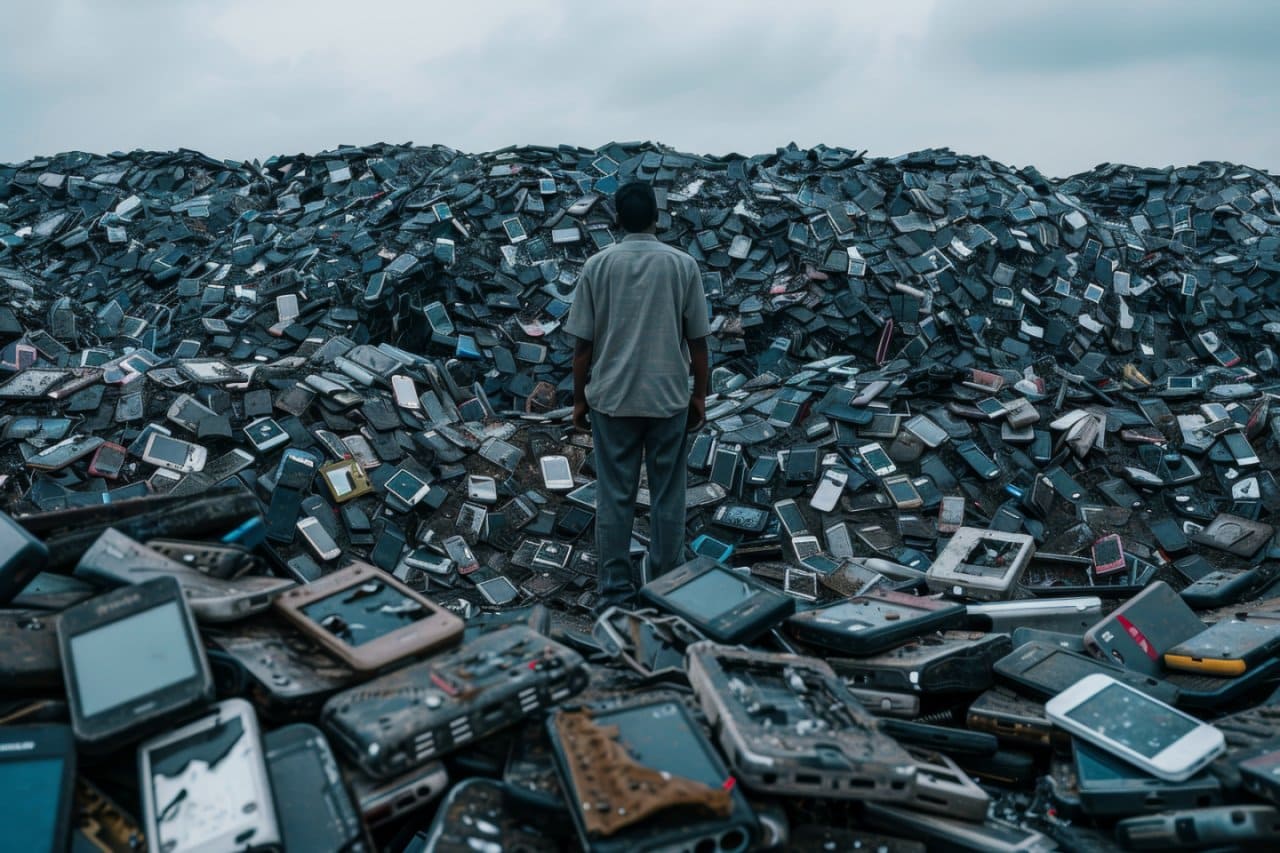
Old phones, broken chargers, outdated laptops, and unused gadgets quietly pile up in drawers around the world. These discarded electronics are known as electronic waste, or e-waste. While it may seem harmless to throw them away with household trash, e-waste contains toxic materials and valuable resources that must be handled carefully.
Improper disposal can pollute soil and water, harm human health, and waste reusable metals. At the same time, many people worry about data security, legal rules, and where to recycle safely.
This guide explains how to dispose of e-waste safely in 2026, even if you have never done it before. You will learn what counts as e-waste, why proper disposal matters, and a clear 7-step process you can follow anywhere in the world.
What Is E-Waste?
E-waste includes any discarded electronic or electrical device that no longer works, is outdated, or is no longer needed.
Common examples of e-waste
- Smartphones and feature phones
- Laptops, desktops, and tablets
- Chargers, power banks, and cables
- Televisions and monitors
- Printers, scanners, and routers
- Headphones, speakers, and smartwatches
- Batteries (especially lithium-ion batteries)
Many of these items contain hazardous substances like lead, mercury, and cadmium, along with valuable metals such as copper, gold, and aluminum.
If you prefer not to dispose, there are several practical ways to reuse or repurpose your old electronic devices and gadgets.
Why Safe E-Waste Disposal Matters
1. Environmental protection
When e-waste ends up in landfills, toxic chemicals can leak into soil and groundwater. Burning electronics releases harmful fumes into the air.
2. Human health
Improper handling exposes workers and communities to dangerous substances that can affect the nervous system, lungs, and skin.
3. Data security
Old smartphones, hard drives, and tablets may still store personal photos, passwords, and financial information.
4. Resource conservation
Electronics contain reusable materials. Recycling reduces mining, energy use, and environmental damage.
iPhone Shift from Lightning to USB-C to Reduce E-Waste
Apple was required to move iPhones from the proprietary Lightning port to the USB-C standard following new regulations introduced by the European Union. EU common charger rule to reduce electronic waste aims to reduce electronic waste by standardising charging ports across devices, so users no longer need multiple cables and chargers for different gadgets.
The Simple 7-Step Guide to Dispose of E-Waste Safely
Step 1: Identify What Is E-Waste
Start by separating electronic items from general household waste.
If the item:
- Needs electricity or batteries to work
- Has a circuit board, screen, or charging port
…it should be treated as e-waste.
Tip: Even small items like earbuds, USB cables, or old SIM routers count.
Step 2: Back Up and Remove Personal Data
Before disposing of any phone, smartphone, laptop, or tablet, protect your data.
Do the following:
- Back up important files to cloud storage or an external drive
- Sign out of accounts (email, iCloud, Google, apps)
- Perform a factory reset
- Remove SIM cards and memory cards
For damaged devices, use professional data-destruction services if available.
This step is essential for privacy and identity protection.
Step 3: Remove Batteries Separately
Batteries are one of the most dangerous parts of e-waste.
- Remove removable batteries if possible
- Never throw lithium-ion batteries in household trash
- Tape battery terminals to prevent short circuits
Many recycling centers require batteries to be handled separately due to fire risks.
🚨 Battery Safety Warning
Damaged or swollen batteries can catch fire without warning.
Do not crush, puncture, or throw them in the trash.
Keep them away from heat and take them to an authorized e-waste recycler immediately.
Step 4: Consider Reuse Before Recycling
Not all old electronics are waste.
Ask yourself:
- Can it be repaired?
- Can someone else use it?
Possible reuse options:
- Donate working phones or laptops to schools or charities
- Pass older smartphones to family members
- Sell usable devices through trusted resale platforms
Reuse extends the life of electronics and reduces overall waste.
Step 5: Find an Authorized E-Waste Recycler
Always choose authorized or certified recycling centers.
Look for recyclers approved by:
- Environmental Protection Agency (USA guidance)
- Central Pollution Control Board (India regulations)
- Local municipal or government waste programs
Authorized recyclers:
- Follow safe dismantling practices
- Recover valuable materials responsibly
- Dispose of hazardous waste legally
Avoid informal scrap dealers who may use unsafe methods.
Step 6: Use Manufacturer Take-Back Programs
Many electronics brands offer take-back or recycling programs.
These programs:
- Accept old phones, laptops, and accessories
- Ensure safe recycling or refurbishment
- Often provide drop-off points or mail-in options
This is one of the safest and easiest ways to dispose of branded electronics.
Step 7: Follow Local Disposal Rules
E-waste laws vary by country and region.
Common rules include:
- Bans on landfill disposal of electronics
- Separate collection days for hazardous waste
- Penalties for illegal dumping
Check your city or municipal website for:
- Collection schedules
- Drop-off locations
- Special instructions for large electronics
Following local rules protects both you and the environment.
Fairphone: A Sustainable Approach to Reducing E-Waste
Fairphone is a sustainability-focused smartphone brand that helps reduce e-waste through modular design. Its phones allow easy replacement of parts reducing the need for full replacements. By using ethically sourced materials and supporting recycling, Fairphone promotes a more circular and responsible electronics industry.
Safe vs Unsafe E-Waste Disposal (Quick Comparison)
| Aspect | ✅ Safe E-Waste Disposal | ❌ Unsafe E-Waste Disposal |
|---|---|---|
| Disposal method | Authorized recycling centers or brand take-back programs | Throwing electronics in household trash |
| Data security | Personal data erased before disposal | Data often left on phones and devices |
| Environmental impact | Prevents pollution and resource waste | Releases toxic chemicals into soil and water |
| Battery handling | Batteries removed and recycled separately | Batteries mixed with general waste |
| Health & safety | Handled using controlled, safe processes | Risk of fire, fumes, and toxic exposure |
| Legal compliance | Follows local rules and regulations | May violate waste disposal laws |
| Resource recovery | Metals and materials are reused | Valuable materials permanently lost |
What Happens After You Recycle E-Waste?
Understanding the process builds trust and awareness.
- Devices are sorted by type
- Hazardous components are safely removed
- Materials like plastic, glass, and metals are separated
- Reusable parts are recovered
- Toxic waste is treated under controlled conditions
This process reduces pollution and supports a circular economy.
Common Mistakes to Avoid
- Throwing electronics in household trash
- Burning or breaking devices at home
- Selling e-waste to unverified scrap dealers
- Forgetting to erase personal data
- Mixing batteries with general waste
Avoiding these mistakes greatly reduces environmental and personal risk.
Pros and Cons of Proper E-Waste Disposal
Pros
- Protects the environment
- Prevents health hazards
- Keeps personal data secure
- Conserves natural resources
- Supports legal and ethical recycling systems
Cons
- May require extra effort to locate recyclers
- Some services charge small handling fees
- Limited access in rural areas
Overall, the benefits far outweigh the drawbacks.
You can also opt to DIY repair electronics at your home and save repair costs and prolong the life of your gadgets.
FAQs
1. What is the safest way to dispose of e-waste?
The safest way is to use an authorized recycling center or a manufacturer take-back program after wiping personal data and removing batteries.
2. Can I throw old phones in the trash?
No. Phones contain hazardous materials and rechargeable batteries that should never go into household waste.
3. How do I erase data from a broken smartphone?
If the phone still powers on, perform a factory reset. If not, use professional data-destruction or certified recycling services.
4. Are chargers and cables considered e-waste?
Yes. Chargers, adapters, and cables contain electronic components and should be recycled properly.
5. Is e-waste recycling free?
Many municipal programs and brand take-back services are free. Some private recyclers may charge small fees.
6. What happens if e-waste is not recycled properly?
It can release toxic substances, harm workers, pollute ecosystems, and expose personal data.
Conclusion
E-waste disposal is no longer optional—it is a shared responsibility. With the rapid growth of smartphones, mobile devices, and home electronics, knowing how to handle old gadgets safely is essential.
By following this simple 7-step guide, you can:
- Protect your personal information
- Reduce environmental damage
- Support responsible recycling practices
The next step is simple: start with one drawer, one device, and one safe decision. Responsible e-waste disposal today helps create a cleaner and safer future for everyone.