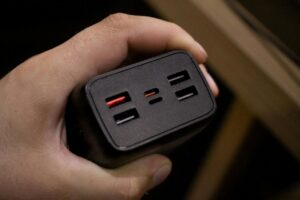
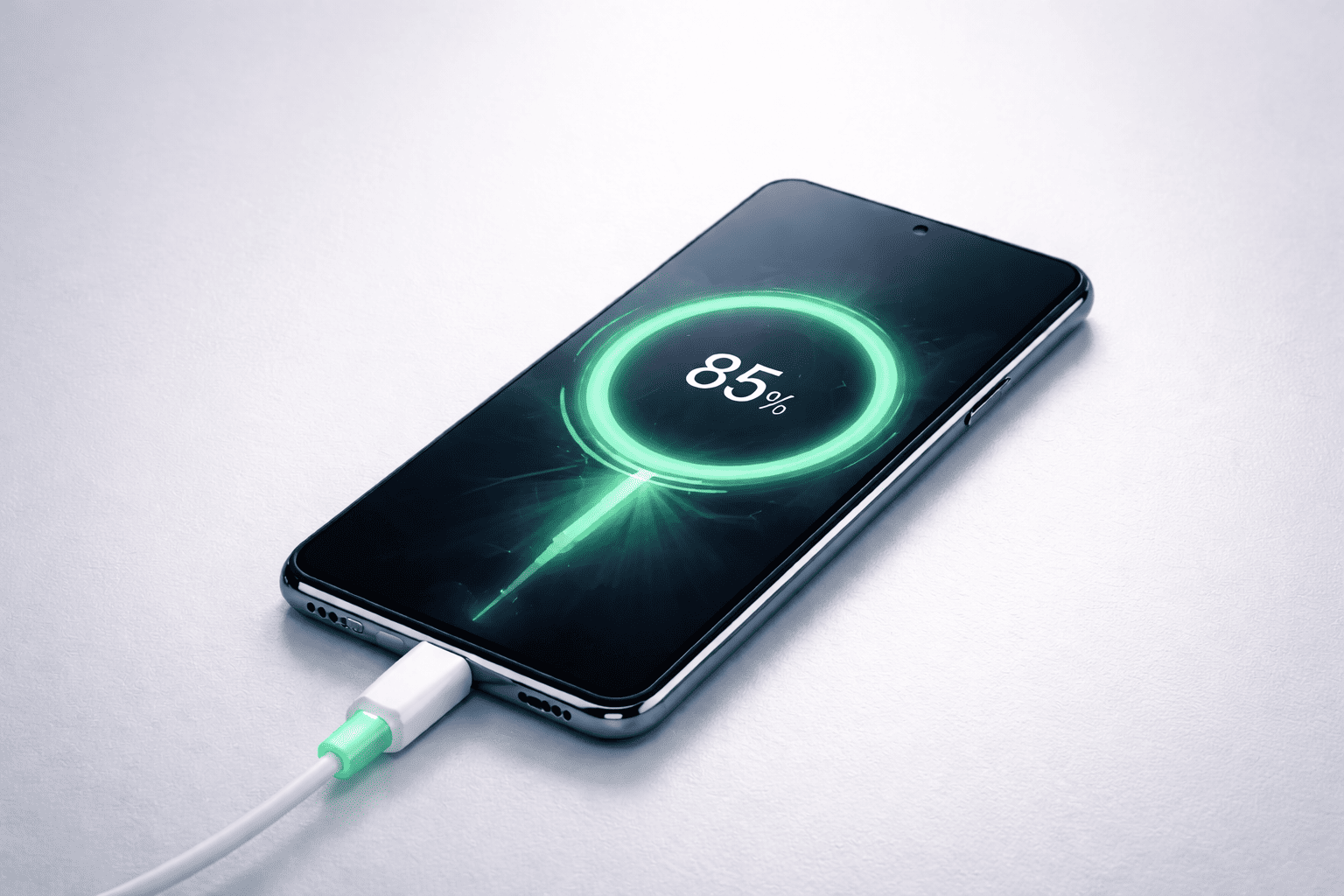
Fast charging has changed how we use our smartphones. Today, a mobile phone can charge from low battery to usable levels in minutes instead of hours. Yet, fast charging is also surrounded by confusion, half-truths, and fear.
Many phone users believe fast charging:
- Damages the battery quickly
- Is unsafe for daily use
- Reduces phone lifespan
- Should only be used in emergencies
Some of these beliefs were true years ago. Many are no longer accurate with modern smartphones, batteries, and charging systems.
“Technology evolves, but myths often refuse to update.”
Now, we will bust most common smartphone fast charging myths, explain how fast charging actually works, and clarify what phone users and technicians should really worry about.
How Fast Charging Works (Quick Understanding)
Before busting myths, it’s important to understand the basics.
Fast charging works by:
- Increasing charging power (watts)
- Carefully controlling voltage and current in Amperes
- Using battery management systems inside the phone
Modern Android phones and iPhones communicate with the charger continuously. The phone decides how much power to take, not the charger.
Fast charging is most aggressive:
- At low battery levels
- When the phone temperature is safe
As the battery fills up, charging speed automatically slows down. We have busted smartphone battery myths which you should stop believing.
Myth 1: Fast Charging Always Damages the Battery
❌ The Myth
Fast charging harms the battery every time you use it.
✅ The Reality
Fast charging does not automatically damage a smartphone battery.
Modern batteries are designed to handle:
- Higher current
- Controlled voltage
- Smart thermal management
What actually damages batteries is:
- Excessive heat
- Poor-quality chargers
- Physical battery aging
If fast charging was inherently harmful, phone manufacturers would not include it as a default feature.
Battery degradation happens over time, regardless of charging speed.
Myth 2: Using Fast Charging Daily Kills Battery Health Quickly
❌ The Myth
Fast charging should only be used occasionally.
✅ The Reality
Using fast charging daily is generally safe on modern smartphones.
Today’s devices use:
- Adaptive charging
- Intelligent power control
- Temperature monitoring
Charging speed automatically adjusts when:
- Battery reaches higher percentages
- Phone temperature rises
- Battery health declines
Daily fast charging may slightly increase battery wear over long periods, but normal daily usage already does that.
Myth 3: Fast Chargers Push Power Into the Phone Forcefully
❌ The Myth
A fast charger forces high power into the phone.
✅ The Reality
The phone controls the charging process, not the charger.
The charger:
- Only offers available power
- Responds to the phone’s request
The phone decides:
- How much current to draw
- When to slow down
- When to stop charging
This is why:
- The same charger behaves differently with different phones
- Older phones don’t fast charge even with powerful adapters
“Chargers supply power, but phones decide how to use it.”
Myth 4: Fast Charging Causes Phones to Explode
❌ The Myth
Fast charging can cause phone explosions.
✅ The Reality
Phone explosions are extremely rare and usually caused by:
- Defective batteries
- Physical damage
- Fake or damaged chargers
- Severe overheating
Fast charging itself is not the cause.
Modern smartphones include:
- Thermal cut-offs
- Over-current protection
- Voltage regulation
- Emergency shutdown systems
When something goes wrong, the phone stops charging automatically.
Smartphone charging speeds are increasing faster than ever. How Many Watts Is the World’s Fastest Smartphone Charger?
Myth 5: Slow Charging Is Always Better for Battery Life
❌ The Myth
Slow charging is always healthier.
✅ The Reality
Slow charging can reduce heat, but it is not always significantly better.
Battery health depends more on:
- Heat exposure
- Charging habits
- Battery age
- Charging cycles
Charging slowly in a hot environment can still damage the battery.
On the other hand, fast charging in controlled conditions can be perfectly safe.
Balanced charging matters more than charging speed.
Myth 6: Fast Charging Works the Same at All Battery Levels
❌ The Myth
Fast charging keeps charging fast until 100%.
✅ The Reality
Fast charging only works aggressively at lower battery percentages.
Typical charging behavior:
- 0–50% → fastest charging
- 50–80% → moderate speed
- 80–100% → slow charging
This is intentional and protects the battery.
Many users think fast charging “stops working,” but it is actually protecting battery health.
Myth 7: Any Fast Charger Is Safe for Any Phone
❌ The Myth
All fast chargers are interchangeable.
✅ The Reality
Not all chargers follow the same standards.
Risks come from:
- Cheap, uncertified chargers
- Incorrect voltage support
- Poor internal components
Safer options:
- Original chargers
- Certified third-party chargers
- Chargers that support phone-specific fast charging standards
Using a low-quality charger is riskier than fast charging itself.
Myth 8: Fast Charging Reduces Phone Lifespan Significantly
❌ The Myth
Fast charging shortens phone life drastically.
✅ The Reality
Phone lifespan depends on:
- Battery aging
- Software updates
- Usage habits
- Heat exposure
Fast charging may contribute slightly to battery wear, but:
- Battery is a consumable part
- Most users change phones before battery failure becomes severe
In real-world usage, fast charging convenience outweighs its minor long-term impact.
What Actually Affects Battery Health (Important Section)
Instead of worrying about fast charging myths, focus on real battery killers:
- Heat (biggest enemy)
- Heavy gaming while charging
- Poor ventilation during charging
- Cheap cables and adapters
- Deep discharge cycles regularly
- Keeping battery at 100% constantly
These factors matter far more than charging speed alone.
Technician Insight: What Repair Professionals See
From a repair technician’s perspective:
- Most battery replacements are due to aging
- Heat damage is common
- Charger quality plays a major role
- Fast charging alone is rarely the root cause
Technicians rarely see batteries fail only because of fast charging.
Fast Charging and Battery Cycles (Simple Explanation)
Every battery has:
- A limited number of charge cycles
- Chemical wear over time
Fast charging:
- Does not add extra cycles
- May increase heat slightly
Battery aging is inevitable, regardless of charging speed.
When Fast Charging Should Be Avoided
There are a few situations where caution helps:
- Phone overheating
- Damaged charging port
- Swollen or old battery
- Fake or loose chargers
In such cases, slower charging can reduce stress.
Best Practices for Safe Fast Charging
Follow these habits:
- Use good-quality chargers
- Avoid charging under pillows or blankets
- Remove phone case if heating occurs
- Don’t game heavily while charging
- Let phone cool if it feels hot
“Good habits protect batteries better than slow chargers.”
Fast Charging on Android vs iPhone
Both platforms use:
- Battery health management
- Adaptive charging
- Temperature monitoring
Differences exist in:
- Charging standards
- Power limits
- Software behavior
But the core safety principles are similar.
Pros and Cons of Fast Charging
Pros
- Saves time
- Improves daily usability
- Reduces charging anxiety
- Designed for modern lifestyles
Cons
- Slightly more heat
- Requires quality accessories
- Marginally faster battery wear over years
Balanced usage minimizes cons.
Why Fast Charging Myths Still Exist
Reasons include:
- Old battery technology experiences
- Early fast charging issues
- Misinformation online
- Fear of battery damage
Technology has evolved faster than public understanding.
Final Summary
Fast charging is not the enemy many people think it is.
The truth is:
- Modern smartphones are designed for it
- Batteries are protected by smart systems
- Most damage comes from heat and poor habits
- Charger quality matters more than speed
“Understanding technology is the best way to protect it.”
Fast charging is a tool.
Used correctly, it makes smartphones more practical without sacrificing safety.