
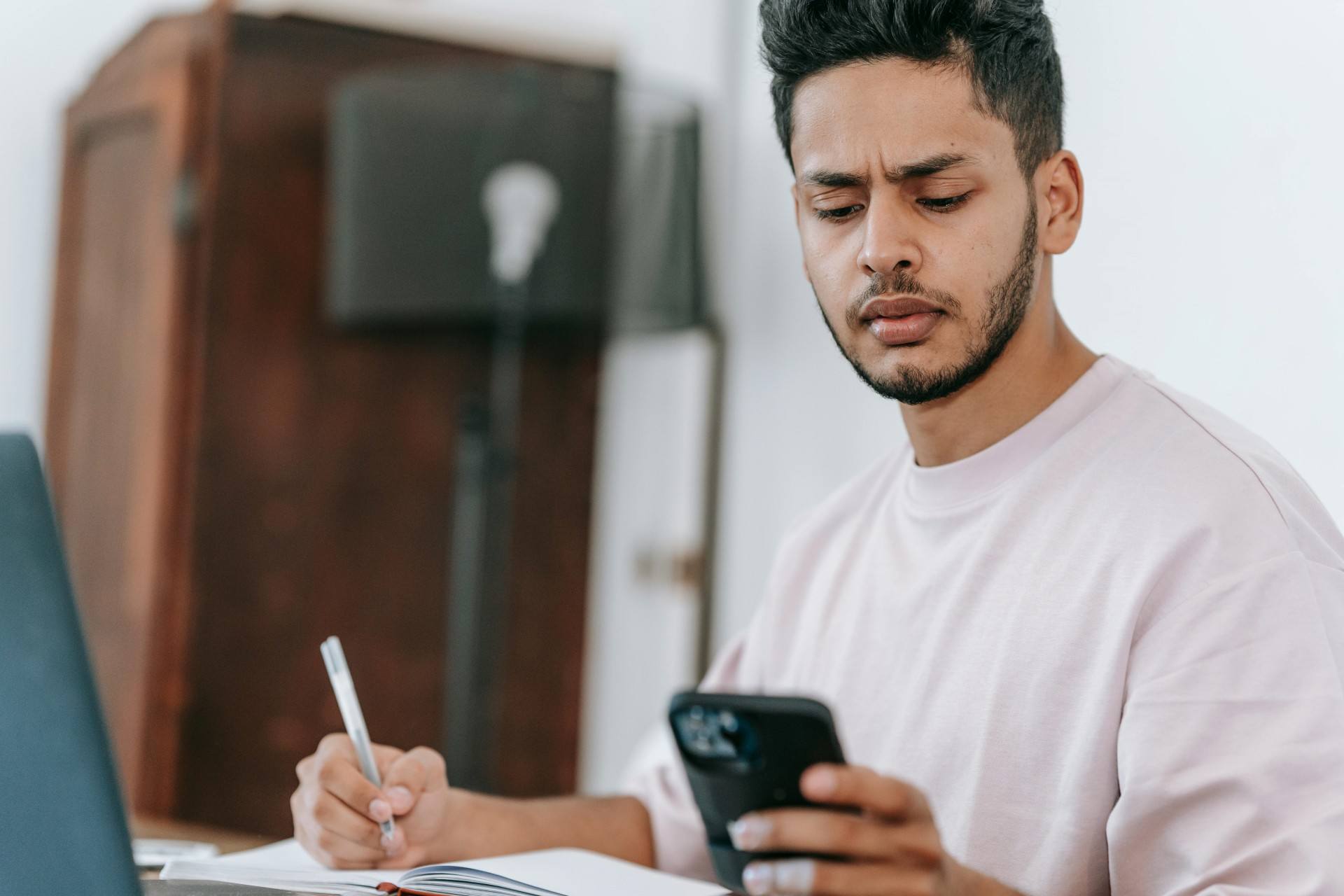
“Good things come in small packages” – this timeless saying makes perfect sense when we look at modern smartphones. A single pocket-sized device now handles tasks that once required several gadgets. If you look around, you will notice how deeply smartphones have blended into our daily lives. Built with advanced hardware and intelligent software, the modern mobile phone is no longer just a tool for calling, texting, or saving contacts. It has evolved into a powerful device that has replaced many traditional machines, including personal computers and laptops.
Smartphones pack cutting-edge processors, strong batteries, fast internet support, high-quality cameras, and thousands of useful apps. This combination has strengthened their position as the preferred device for communication, entertainment, payments, learning, and even work. As smartphone technology continues to grow, laptop and desktop sales have slowed down in many regions. The shift is clear: for many daily tasks, people now prefer their phones over a bulky computer.
Today, it is almost impossible to imagine a day without our phones. From sending emails and browsing the internet to online payments, quick entertainment, banking, and socializing — everything happens with a few taps. But what exactly has made smartphones such strong competitors to computers?
Here are the key reasons why smartphones have gradually replaced laptops and desktop PCs.
1. Powerful Processors and Improved Storage Capacity
Computers were once valued for their strong CPUs and ability to process large amounts of data quickly. But today’s smartphones are mini-computers in every sense. Many flagship and mid-range phones now use multi-core processors that can compete with mid-level laptop CPUs in everyday tasks.
These chips handle gaming, video editing, multitasking, and app usage smoothly. Think of the flagship smartphones of today and you will realise that these modern day minicomputers, which are enabled with beefier batteries, are equally adept in handling huge volumes of data owing to their superior processing powers that are comparable to that of a mid-range desktop computer.
Most smartphones come with 64 GB to 512 GB internal storage, and cloud storage options such as Google Drive, iCloud, and OneDrive further expand capacity. This reduces the need to depend on a computer for storing photos, videos, and documents. With better data security, faster SSD-like storage, and strong system optimization, smartphones have become reliable primary devices for many users.
The day is not far when the omnipresent smartphones will eventually become the only computer that we ever know!
2. 24/7 Internet Access and Work-from-Anywhere Convenience
Smartphones offer constant internet connectivity through Wi-Fi and mobile data. This always-online access allows users to check email, respond to messages, create documents, manage schedules, attend virtual meetings, and browse the web instantly.
With mobile versions of tools like Google Workspace, Microsoft Office, and cloud-based storage, working from a phone has become extremely convenient. Even while traveling or during late-night hours, users can complete urgent tasks directly from their smartphones.
Faster mobile networks, including 4G and 5G, have improved browsing speed, file transfers, and streaming, making computers less necessary for everyday online activities.
3. Everything at Your Fingertips With Mobile Apps
Mobile apps have completely changed how we use technology. Today, more than 80% of digital time on phones is spent using apps. These apps simplify tasks that once required computers, physical visits, or manual processes.
Before smartphones, people relied on computers, shops, banks, newspapers, and specialized gadgets for basic tasks such as:
- Checking bank statements
- Paying bills
- Finding restaurants
- Online shopping
- Reading news
- Checking navigation
- Monitoring health
- Playing games
- Taking photos or videos
Now, all of this and more can be done directly from a smartphone.
Apps like:
- Mobile banking apps for instant money transfers
- Zomato and Restaurant Finder for food discovery
- Google Maps for real-time navigation
- E-commerce apps for shopping
- News apps for instant updates
- Health tracking apps for heart rate and fitness data
- High-resolution camera apps for photography
Every function that once required a computer or a separate device is now just a tap away. Bigger screens, better battery life, cloud sync, and stronger processors have made smartphones the ideal tool for everyday life.
With one smartphone taking care of so many diverse needs, it is not surprising that these intelligent phones have gradually made many devices, including the computers, a secondary choice for many.
4. Smooth Browsing With Responsive Website Designs
Computers once offered a better browsing experience because websites were designed mainly for large screens. Early smartphones struggled with poorly optimized websites, making navigation difficult.
However, the rise of responsive web design solved this problem. Websites now automatically adjust to any device size using:
- Fluid grids
- Scalable images
- CSS media queries
- Mobile-first design principles
This ensures that browsing on a smartphone is almost as smooth as using a laptop. With clear text, easy navigation, and fast mobile-friendly layouts, users prefer phones for quick searches, online shopping, and social media.
5. Instant Search With AI-Powered Virtual Assistants
Typing long searches on a mobile keyboard was once inconvenient. But AI-based virtual assistants such as Siri, Google Assistant, and Cortana have transformed the mobile search experience.
You can now:
- Ask questions using natural voice
- Set reminders
- Send messages
- Search the web
- Play music
- Control smart home devices
These assistants like Siri provide personalized suggestions based on browsing habits, location, and previous searches. With mobile searches now surpassing desktop searches in many countries, smartphones have clearly become the preferred device for quick information access.
6. Cost-Effective and Value Packed
While premium phones can be expensive, a wide range of budget and mid-range models offer excellent features at affordable prices. When compared to the cost of a new computer or laptop, smartphones provide:
- A camera
- A gaming device
- A communication tool
- A navigation system
- A portable entertainment screen
- A work device
- A health tracker
All in one.
This makes smartphones a more economical and accessible option for most users.
Conclusion
Smartphones have evolved into powerful, multi-functional devices that offer convenience, portability, and strong performance. With advanced apps, fast internet, AI assistants, better hardware, and affordable pricing, they have become indispensable tools that meet both personal and professional needs.
While computers and laptops still play a crucial role in specialized tasks like programming, design, or large-scale data work, smartphones remain the primary device for everyday activities. As technology continues to improve, their role will only grow stronger.
Related posts:
 If Smartphones Didn’t Exist, Which Gadgets Would We Be Forced To Use?
 All About Alfa Mobile Store Irla, Vile Parle, Mumbai – The Famous Electronics Shop
 Android vs iOS – Which is the Best Operating System And Who Is The Winner?
 6 Important Things to Check Before Buying a Second Hand Mobile Phone (Used Phone)