
Introduction
School and college holidays are often seen as a time to relax. While rest is important, long breaks also offer a valuable chance to learn practical skills that regular classes may not cover. In today’s world, technical knowledge is no longer limited to engineers or IT professionals. Basic technical skills help students understand how everyday technology works and prepare them for higher studies, jobs, or self-employment.
Many Indian students and parents search for useful holiday courses that are short-term, beginner-friendly, and genuinely helpful in the real world. The challenge is choosing courses that are practical, not confusing, and suitable for a student’s age and background and can be completed in April vacations, Diwali vacations or Christmas vacations.
According to the Ministry of Skill Development and Entrepreneurship (MSDE), early exposure to technical and vocational skills helps students become more adaptable and future-ready. Holiday courses are often recommended as a starting point for skill exploration.
This guide explains 13 of the best technical courses students in India can learn during holidays. These courses are selected because they:
- Are suitable for beginners
- Can be learned in a short time
- Offer practical, real-world value
- Are relevant in India and globally
Each course is explained in simple language, with examples of where the skill is used and who it is best suited for.
The National Council for Vocational Education and Training (NCVET) sets quality standards for vocational and technical education in India. Courses that follow such frameworks focus more on practical learning than rote theory.
Why Learn Technical Courses During Holidays?
Before looking at the courses, it helps to understand why holidays are the best time to learn technical skills.
Key benefits
- No exam pressure: Students can focus on understanding, not memorising
- Hands-on learning: More time for practice and projects
- Early exposure: Helps students discover their interests
- Confidence building: Learning practical skills improves self-belief
- Career clarity: Students understand what different technical fields involve
Even learning one basic skill during holidays can make future studies easier and more meaningful.
1. Basics of Computer Programming
Computer programming is the foundation of most modern technology. From mobile apps to websites and even smart home devices, programming logic is used everywhere.
What students learn
- How computers understand instructions
- Basic programming concepts like variables, loops, and conditions
- Logical thinking and problem-solving
Popular beginner-friendly languages include Python and simple versions of C or Java.
Real-life use
- Writing small programs
- Understanding how apps and websites work
- Strong base for future technical courses
Best for
- Students from class 8 onwards
- Beginners with no coding background
2. Data Analysis Fundamentals
Data analysis teaches students how to work with information and find useful patterns. This skill is increasingly important in education, business, and research.
What students learn
- Basics of data, numbers, and tables
- Using spreadsheets to organise data
- Creating simple charts and summaries
Real-life use
- Analysing school project data
- Understanding surveys and reports
- Foundation for careers in data, finance, and research
Best for
- Students who like numbers and analysis
- Class 9 onwards
3. Artificial Intelligence & Machine Learning (Introductory)
Artificial Intelligence (AI) is often misunderstood. Introductory courses focus on concepts, not advanced maths.
What students learn
- What AI and machine learning really mean
- Everyday examples like voice assistants and recommendations
- Basic models and decision-making logic
Real-life use
- Understanding how smartphones, apps, and search engines work
- Preparing for advanced technology studies later
Best for
- Curious learners
- Class 9 to early college students
4. Graphic Design
Graphic design combines creativity with technology. It teaches how visual communication works.
What students learn
- Basics of design, colour, and layout
- Creating posters, banners, and simple designs
- Using beginner-friendly design tools
Real-life use
- School projects and presentations
- Social media content creation
- Freelance and creative careers
Best for
- Creative students
- Class 8 onwards
5. Cybersecurity Fundamentals
Cybersecurity is about keeping digital information safe. This is an essential skill in a world full of smartphones and online accounts.
What students learn
- Online safety and privacy
- Password protection and common cyber threats
- Safe use of mobile devices and computers
Real-life use
- Protecting personal data
- Understanding digital responsibility
- Foundation for security-related careers
Best for
- All students using smartphones or computers
- Class 8 onwards
6. Mobile App Development
Mobile app development introduces students to how Android apps are made.
What students learn
- App structure and user interface basics
- Simple app logic
- Testing and improvement
Many beginner courses use visual tools that do not require heavy coding.
Real-life use
- Creating simple apps
- Understanding smartphone technology
- Career exploration in app development
Best for
- Students interested in Android and mobile devices
- Class 9 onwards
7. Robotics
Robotics combines electronics, programming, and mechanics. It is one of the most engaging technical fields for students.
What students learn
- Basic electronics and sensors
- Simple robot movements
- Logical control using programs
Real-life use
- School competitions and projects
- Understanding automation
- Strong foundation for engineering fields
Best for
- Hands-on learners
- Class 7 onwards
8. Game Design & Development
Game development teaches students how games are planned and built.
What students learn
- Game logic and design concepts
- Simple graphics and animations
- Basic programming for games
Real-life use
- Creating small games
- Understanding entertainment technology
- Building creative and technical thinking
Best for
- Students interested in games and creativity
- Class 8 onwards
9. Electrician Course
Electrician courses teach essential electrical skills used in homes and industries.
What students learn
- Wiring basics
- Electrical safety
- Reading simple electrical diagrams
Real-life use
- Household electrical understanding
- Skill-based employment
- Strong vocational foundation
Best for
- Students interested in hands-on work
- Class 9 onwards
10. Electronics Basics
Electronics is the study of circuits and electronic components.
What students learn
- Components like resistors, capacitors, and diodes
- Simple circuit building
- Basic troubleshooting
Real-life use
- Understanding electronic devices
- Foundation for engineering and repair courses
Best for
- Science-oriented students
- Class 9 onwards
Various online electrnics courses are available which you can choose from.
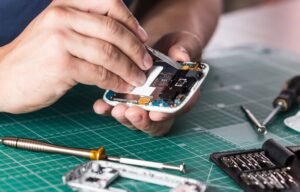
11. Mobile Repairing Course
Mobile repairing is a practical skill with high demand in India.
What students learn
- Smartphone parts and functions
- Basic repair and maintenance
- Common issues and solutions
Real-life use
- Self-employment opportunities
- Understanding smartphone hardware
Best for
- Skill-focused learners
- Class 10 onwards
Students can join mobile repairing course at Prizm Institute and learn the skills required to repair phones and also learn a lot about electronics as mobile phones are the most advanced electronic gadgets.
12. Laptop Repairing Course
Laptop repairing course focuses on diagnosing and fixing common computer problems.
What students learn
- Laptop components
- Hardware and basic software issues
- Maintenance and upgrades
Real-life use
- Repair shops and service centres
- Personal computer maintenance
Best for
- Students interested in computers
- Class 10 onwards
A good comparison of mobile repairing course vs laptop repairing course shows different skillsand career scope between the two options.
13. Computer Hardware & Networking
Computer hardware and netwoking course explains how computers and networks function.
What students learn
- Computer parts and assembly
- Networking basics
- Internet and data transfer concepts
Real-life use
- IT support roles
- Strong foundation for advanced IT studies
Best for
- Students interested in IT infrastructure
- Class 10 onwards
Comparison Table: Course Overview
| Course Type | Skill Level | Nature | Career Value |
|---|---|---|---|
| Programming | Beginner | Technical | High |
| Graphic Design | Beginner | Creative | Medium |
| Cybersecurity | Beginner | Technical | High |
| Robotics | Beginner–Intermediate | Practical | High |
| Repair Courses | Beginner | Vocational | Medium–High |
Common Mistakes Students Make
- Choosing advanced courses without basics
- Learning theory without practice
- Enrolling in too many courses at once
- Ignoring personal interest
Practical Tips for Students
- Start with fundamentals
- Practice daily, even for short periods
- Focus on understanding, not certificates
- Build small projects
Online vs Offline Technical Courses for Students
| Factor | Online Courses | Offline Courses |
|---|---|---|
| Flexibility | High | Medium |
| Hands-on practice | Limited | Strong |
| Cost | Often lower | Often higher |
| Best for | Theory + basics | Practical & repair skills |
| Supervision | Self-driven | Instructor-guided |
Pros and Cons of Learning Technical Courses During Holidays
Pros
- Productive use of free time
- Early skill development
- Better career clarity
Cons
- Overloading with too many courses
- Poor-quality training if chosen carelessly
What Parents Should Know Before Enrolling Their Child
- Short courses are for exposure, not mastery
- Interest matters more than certificates
- Avoid pressure or unrealistic expectations
- Encourage learning, not comparison
Here are some short-term career courses which students can join for quick jobs if your aim is employment.
FAQs
1. Are technical courses useful for school students?
Yes. They help students understand real-world applications and build confidence.
2. Which technical course is best after 10th?
Programming, electronics, and computer hardware courses are good options.
3. Can beginners learn these courses?
Most of these courses are designed for beginners.
4. Are online courses effective?
Yes, if they include practical exercises and guidance.
5. How long should a holiday course be?
Ideally 2–8 weeks for beginners.
6. Do these courses guarantee jobs?
No. They build skills, not job guarantees.
Conclusion
Learning technical courses during holidays is a smart and practical choice for Indian students. These 13 courses offer a balance of creativity, technology, and hands-on skills. The goal is not to rush into a career decision, but to understand technology better and build useful skills early.
Students should choose a course based on interest, ability, and long-term goals. Even a small step taken during holidays can make future learning easier and more meaningful.