
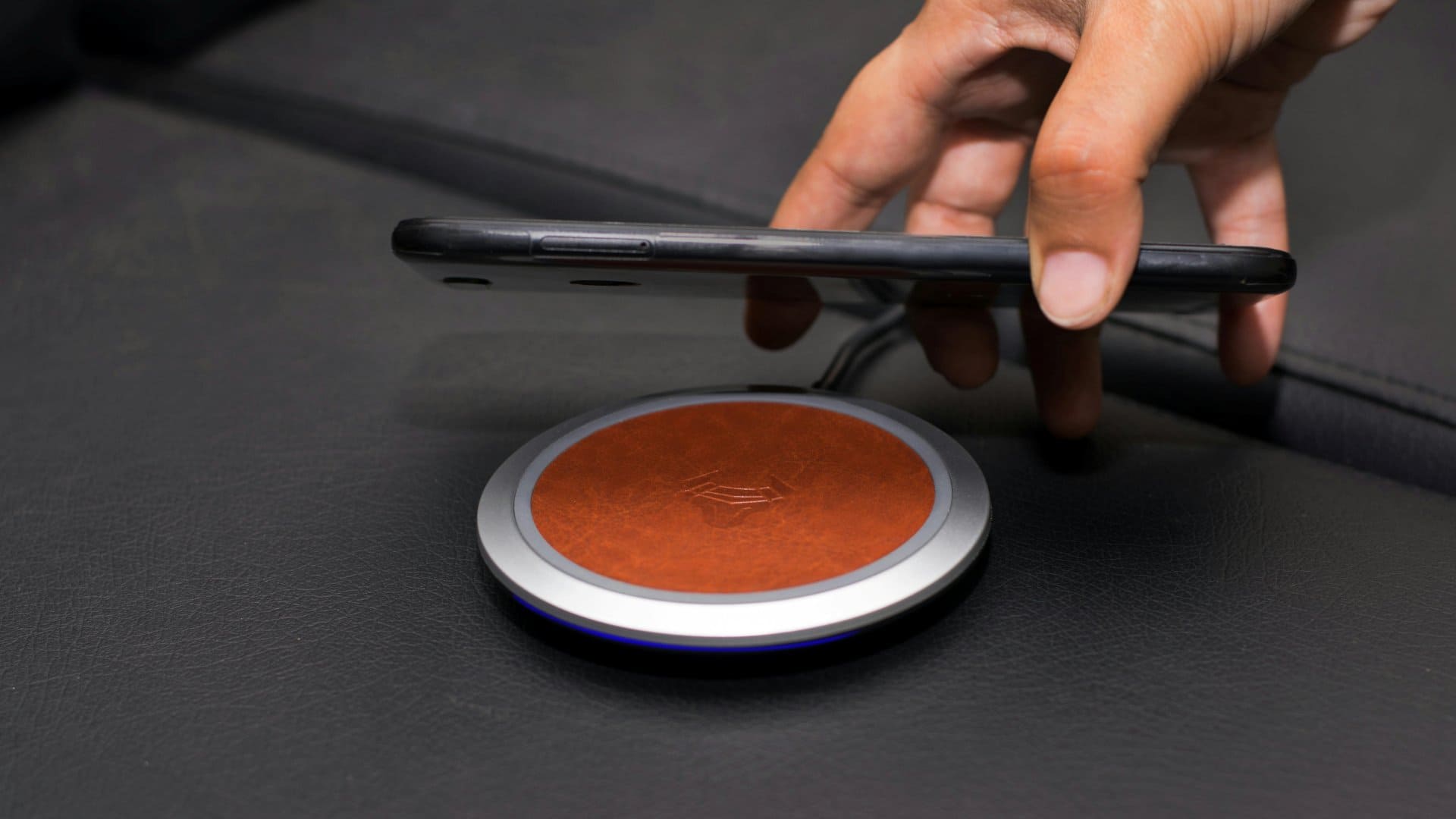
Wireless charging has moved from being a novelty to a common feature in modern smartphones. Many Android phones and iPhones now support wireless charging, and public places like cafes, cars, and airports increasingly offer charging pads. This raises a big and natural question for users around the world:
Is this the future of charging? And will chargers and cables eventually disappear?
This article explains the future of wireless charging in clear and simple terms. We will look at how wireless charging technology today, where it struggles, what improvements are coming, and whether a fully cable-free future is realistic. The goal is not hype, but clarity—so you can understand what’s possible, what’s not, and what’s likely.
Why the Question Matters
Charging is one of the most frequent interactions we have with our smartphones. We plug in cables every day. We replace worn-out chargers. We deal with broken ports and tangled wires.
Wireless charging promises:
- Less wear and tear
- Cleaner phone designs
- Greater convenience
But convenience alone does not decide the future. Speed, efficiency, cost, safety, and real-world usability matter just as much.
What Is Wireless Charging?
Wireless charging is a method of charging a phone without physically plugging in a cable. Instead, power is transferred from a charging pad to the phone using electromagnetic fields.
In simple terms:
- The charging pad creates an electromagnetic field
- The phone receives this energy through a coil inside it
- The phone converts that energy into electrical power to charge the battery
Most smartphones today use a standard called Qi wireless charging, which is widely accepted across brands.
How Wireless Charging Works (Step by Step)
Understanding the process helps explain both its benefits and its limitations.
- The charging pad is connected to a power source
- Inside the pad is a transmitting coil
- When you place your phone on the pad, the coil creates an electromagnetic field
- The phone has a receiving coil that picks up this energy
- The phone converts the energy into electricity and charges the battery
Important point: The phone and charger still need to be very close—usually touching—for efficient charging.
Current State of Wireless Charging in Smartphones
Wireless charging is no longer rare. Many mid-range and most premium phones support it.
What Wireless Charging Is Good At Today
- Convenience for daily top-ups
- Reducing wear on charging ports
- Simple charging at night or on desks
- Cleaner-looking phone designs
Where It Still Falls Short
- Slower than wired charging in many cases
- Less energy efficient
- Generates more heat
- Requires precise placement
This balance explains why cables are still widely used.
Wired Charging vs Wireless Charging: A Clear Comparison
| Feature | Wired Charging | Wireless Charging |
|---|---|---|
| Charging speed | Usually faster | Usually slower |
| Energy efficiency | High | Lower |
| Heat generation | Less | More |
| Convenience | Needs plugging | Just place the phone |
| Port wear | Yes | No |
| Positioning | Flexible | Needs alignment |
| Cost | Cheaper | More expensive |
This comparison shows why wired charging remains dominant, especially for fast charging.
Why Charging Cables Still Exist
If wireless charging exists, why haven’t cables disappeared yet?
1. Speed Still Matters
Many users want their phone charged quickly. Wired fast charging can deliver much higher power levels reliably.
For example:
- Wired charging can reach very high wattage safely
- Wireless charging usually limits power to reduce heat
2. Efficiency and Energy Loss
Wireless charging wastes more energy as heat. This matters for:
- Battery health
- Electricity usage
- Environmental impact
3. Heat and Battery Health
Heat is one of the biggest enemies of lithium-ion batteries. Wireless charging tends to generate more heat, especially if alignment is imperfect.
4. Cost and Accessibility
Charging cables are cheap and widely available. Wireless chargers:
- Cost more
- Need proper standards
- Are less common in low-cost devices
Common Misconceptions About Wireless Charging
“Wireless charging means charging from across the room”
This is not true for current consumer smartphones. Most wireless chargers require very close contact.
“Wireless charging is always slower”
Not always. Some modern wireless chargers are quite fast, but they still struggle to match the fastest wired solutions.
“Wireless charging is bad for batteries”
It’s not inherently bad. Problems occur mainly due to heat, not the wireless method itself.
Emerging Wireless Charging Technologies
Wireless charging is evolving. Several approaches are being researched and improved.
1. Faster Wireless Charging Pads
Manufacturers are improving:
- Coil design
- Cooling systems
- Power management
This allows higher speeds with better heat control.
2. Magnetic Alignment Systems
Magnetic alignment helps:
- Improve efficiency
- Reduce heat
- Ensure proper placement
This makes wireless charging more reliable and user-friendly.
3. Short-Distance Over-the-Air Charging
Some experimental systems can deliver small amounts of power over short distances.
Important reality:
- Power levels are very low
- Suitable for accessories, not full phone charging
- Still far from replacing cables
Can Phones Become Completely Portless?
A future without charging ports is often discussed.
Why Companies Are Interested
- Improved water and dust resistance
- Fewer mechanical failures
- Cleaner phone design
Why It’s Still Difficult
- Data transfer still relies heavily on ports
- Professional repairs need wired access
- Emergency charging flexibility matters
Some phones already rely heavily on wireless charging, but completely portless smartphones are not yet practical for most users.
Wireless Charging Beyond Smartphones
Wireless charging is also expanding into other areas.
Accessories
- Wireless earbuds
- Smartwatches
- Styluses
Vehicles
- Built-in wireless charging pads
- Reduced cable clutter in cars
Public Spaces
- Cafes and airports
- Office desks
- Hotels
These use cases support gradual adoption, not instant replacement.
Current Wireless Charging Speeds
Wireless charging speeds vary by device and charger, but these are the typical real-world levels you’ll see today:
- Standard Qi Wireless Charging (5W–10W):
Slow and common on many older or budget phones. Good for overnight top-ups or desk pads but not ideal when you need quick power. - Fast Wireless Charging (10W–15W):
This is common on many mid-range and flagship Android phones. It charges noticeably faster than basic wireless but still slower than wired fast charging. - High-Speed Wireless Charging (15W–30W):
Some newer phones and chargers support faster rates (e.g., 15W, 20W or even around 30W). These reduce the gap with wired charging but usually require precise alignment and good cooling. - Proprietary Wireless Systems:
A few brands have proprietary wireless solutions with optimized speeds (for example, Apple’s MagSafe at up to ~15W, and certain Android brands pushing ~20W+). These can be faster but often work best with specific accessories.
Key Reality: Even at 30W+, wireless charging is generally still slower and less efficient than common wired fast charging solutions (e.g., 30W–120W wired), largely due to heat and alignment limitations.
Practical Real-Life Use Cases
From real-world experience, wireless charging works best when:
- You charge overnight
- You top up during work hours
- You want minimal cable handling
Wired charging remains better when:
- Battery is very low
- You need fast charging
- You are traveling
- You want maximum efficiency
Most users today use both, depending on the situation.
Environmental Considerations
Wireless charging is often marketed as cleaner, but the reality is mixed.
Pros
- Fewer broken cables
- Less physical waste over time
Cons
- Lower energy efficiency
- More electricity wasted as heat
From an environmental standpoint, efficient wired charging still performs better overall.
Will Wireless Charging Replace Cables Completely?
Based on current technology and real-world needs:
- Wireless charging will continue to grow
- It will become faster and more efficient
- It will reduce reliance on cables
- But it will not fully replace cables in the near future
The most realistic future is coexistence, not replacement.
What the Future Likely Looks Like
In the coming years, we can expect:
- Better wireless charging speeds
- Improved cooling and alignment
- More wireless charging in public spaces
- Fewer ports, but not zero ports
Cables may become less visible, but they will remain essential for:
- Fast charging
- Data transfer
- Repairs
- Emergency use
With rapid innovation, smartphones of the future will deliver enhanced performance, intelligent features, and a more seamless user experience.
Pros and Cons of a Wireless-First Future
Pros
- Cleaner device designs
- Less port damage
- More convenience
- Better water resistance
Cons
- Slower charging in many cases
- Higher cost
- Energy inefficiency
- Heat management challenges
A balanced view shows why full replacement is unlikely soon. Here is a comprehensive article on advantages and disadvantages of wireless phone charging.
Frequently Asked Questions (FAQs)
1. Will wireless charging completely replace charging cables?
No. Wireless charging will grow, but cables will still be needed for speed, efficiency, and data transfer.
2. Is wireless charging safe for smartphones?
Yes, when used correctly. Heat management is important, but modern phones are designed with safety controls.
3. Does wireless charging damage phone batteries?
Not directly. Excess heat can affect battery health, so proper chargers and alignment matter.
4. Can wireless charging work without touching the charger?
Current consumer technology requires close contact. True long-distance charging is still limited and experimental.
5. Are portless phones coming soon?
Some designs are moving in that direction, but fully portless phones are not yet practical for most users.
6. Is wireless charging slower than wired charging?
In most cases, yes. Wired charging is still faster and more efficient.
Conclusion
Wireless charging is not a gimmick. It is a real and useful technology that has already changed how we charge our smartphones. It offers convenience, reduces wear on ports, and supports cleaner device designs.
However, chargers and cables are not disappearing anytime soon. Wired charging remains faster, more efficient, and more versatile. The future is not about choosing one over the other—it is about using both intelligently.
As technology improves, wireless charging will take a bigger role in daily life. But for now and the foreseeable future, cables will remain an essential part of the smartphone experience.
Understanding this balance helps set realistic expectations and make better choices as users and consumers.