
Introduction
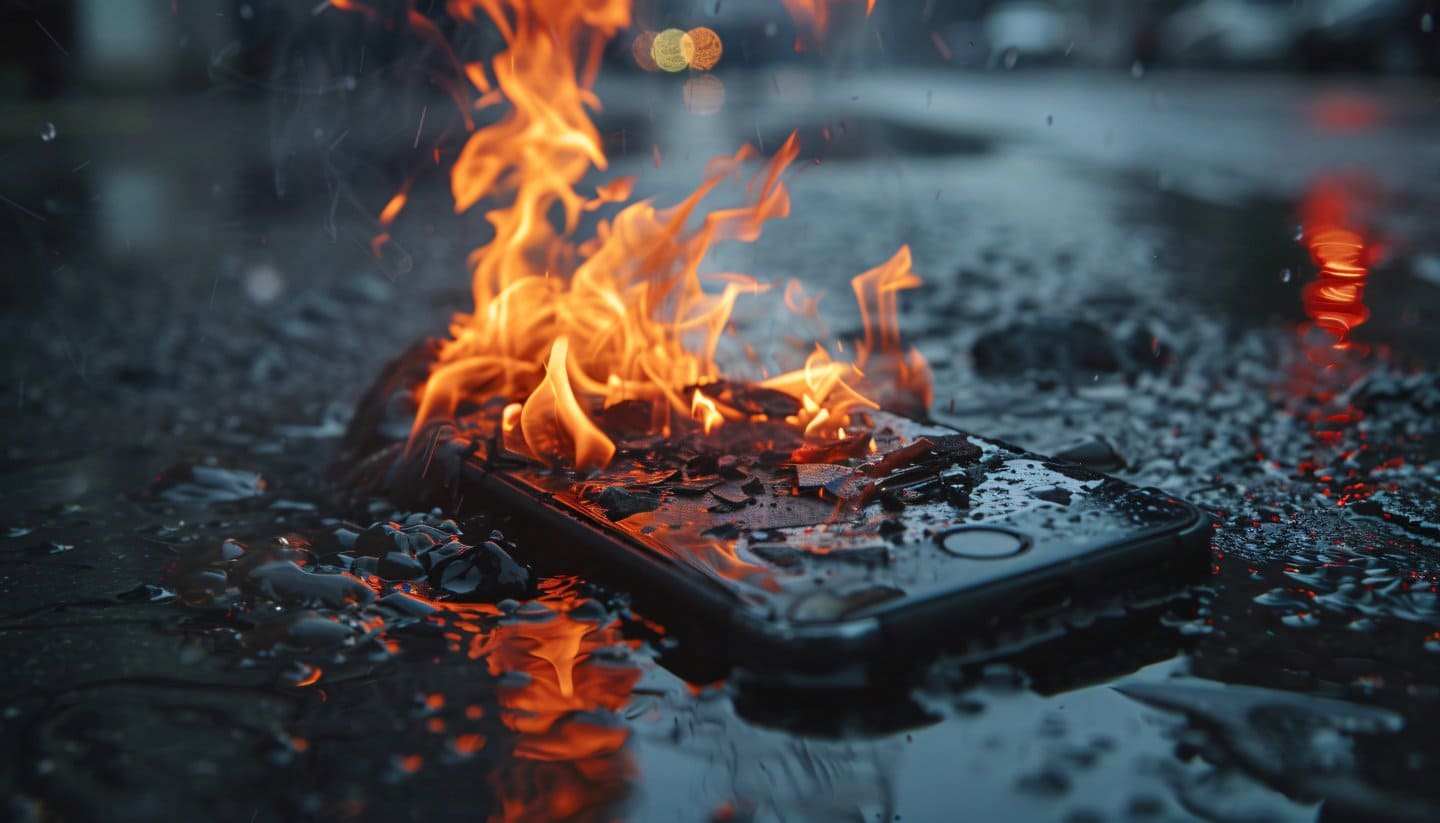
Smartphones are part of daily life. We carry them in our pockets, place them beside our beds, and use them while charging. Yet, news of phone battery explosions, overheating incidents, or phones catching fire continues to surface across the world.
These incidents are rare, but when they happen, they can cause serious injury, property damage, or even loss of life. Most people assume battery explosions are random or due to “bad luck.” In reality, they are almost always caused by specific, preventable factors.
This article explains, in clear and simple language:
- What happens inside a phone battery
- The 6 dangerous reasons phone batteries explode
- Common myths and misunderstandings
- Practical, real-world steps to prevent battery hazards
- Warning signs you should never ignore
Whether you use an Android phone or an iPhone, the fundamentals remain the same. This guide is written for everyday users who want to stay informed and safe.
Understanding Phone Batteries
Most modern smartphones use lithium-ion batteries. These batteries are popular because they:
- Store a lot of energy in a small space
- Recharge quickly
- Are lightweight and efficient
Inside a lithium-ion battery are:
- A positive electrode (cathode)
- A negative electrode (anode)
- A liquid electrolyte that allows ions to move
- A thin separator that prevents short circuits
When everything works properly, the battery safely stores and releases energy.
Problems begin when heat, pressure, or internal damage disrupt this balance.
A battery explosion is usually the result of thermal runaway—a chain reaction where rising temperature causes further heat generation, leading to fire or rupture.
Reason 1: Overheating Due to External Heat
Why it happens
Lithium-ion batteries are extremely sensitive to temperature. When exposed to high heat, internal chemical reactions speed up uncontrollably.
Common real-life scenarios include:
- Leaving your phone in a parked car under the sun
- Using a phone outdoors in extreme summer heat
- Keeping the phone near stoves, heaters, or hot surfaces
- Placing a phone under pillows or blankets while charging
Once the internal temperature crosses safe limits, the battery may swell, leak, or explode.
Warning signs
- Phone feels unusually hot to touch
- Battery drains very fast
- Phone shuts down automatically
How to prevent it
- Never leave your smartphone in a hot car
- Avoid heavy phone usage in extreme heat
- Remove thick cases during charging
- Keep phones in shaded, well-ventilated places
Reason 2: Using Cheap or Fake Chargers
Why it happens
Low-quality chargers and cables are one of the most common causes of phone battery damage.
Fake or uncertified chargers may:
- Deliver unstable voltage
- Lack overcharge protection
- Fail to regulate current properly
This can lead to overcharging, overheating, or internal battery stress, increasing explosion risk.
Real-world insight
Many phone repair technicians report swollen batteries caused by long-term use of cheap chargers, especially overnight charging with no voltage control.
How to prevent it
- Use the original charger provided by the manufacturer
- Buy certified accessories only
- Avoid roadside or unbranded chargers
- Replace damaged charging cables immediately
Reason 3: Physical Damage to the Battery
Why it happens
Dropping your phone or bending it can cause internal battery damage, even if the phone looks fine externally.
Physical stress can:
- Tear the battery separator
- Cause internal short circuits
- Damage safety mechanisms
Once the internal layers touch, the battery can heat rapidly and ignite.
Common causes
- Phone falls from height
- Sitting on phone kept in back pocket
- Using a phone with a cracked or bent body
How to prevent it
- Use a protective case
- Avoid keeping phones in tight pockets
- Replace phones with bent frames
- Get internal inspection after severe drops
Reason 4: Overcharging and Improper Charging Habits
Why it happens
Modern smartphones are designed to stop charging at 100%, but poor charging habits can still degrade batteries over time.
Risky behaviors include:
- Charging overnight every day
- Charging on soft surfaces like beds
- Using phones heavily while charging
- Plugging into unstable power sources
Excess heat during charging stresses the battery and accelerates aging.
Common misconception
Many believe overnight charging always causes explosions. In reality, it increases long-term risk, especially when combined with poor chargers or heat buildup.
How to prevent it
- Avoid charging on beds or sofas
- Remove phone covers while charging
- Unplug once fully charged when possible
- Use power sockets with stable voltage
Reason 5: Battery Aging and Degradation
Why it happens
Lithium-ion batteries naturally degrade over time. After hundreds of charge cycles:
- Chemical stability reduces
- Internal resistance increases
- Heat generation rises
An old battery is more likely to swell, overheat, or fail catastrophically.
Typical signs of aging batteries
- Phone battery drains quickly
- Phone heats up during normal use
- Battery percentage drops suddenly
- Battery swelling visible
How to prevent it
- Replace batteries after 2–3 years
- Avoid pushing old phones with heavy apps
- Do not ignore swelling or overheating
- Get batteries replaced at authorized service centers
Reason 6: Manufacturing Defects or Poor Quality Batteries
Why it happens
Though rare, some batteries have manufacturing defects, such as:
- Impurities inside battery cells
- Faulty separators
- Poor quality control
These defects may remain hidden until triggered by heat or stress.
Industry insight
Well-known incidents in the past led manufacturers to adopt stricter safety standards, but low-cost replacement batteries may still lack quality assurance.
How to prevent it
- Avoid unknown replacement batteries
- Buy phones from reputable brands
- Update your phone software regularly
- Pay attention to official safety recalls
Normal Phone Heating vs Dangerous Battery Warning Signs
| Normal Phone Heating | Dangerous Battery Issue |
|---|---|
| Slight warmth during charging | Phone too hot to touch |
| Mild heat while gaming | Heat even when idle |
| No physical changes | Swelling or bulging |
| Stops heating after unplug | Heat continues |
Battery Safety Checklist for Families & Children
- Keep phones out of children’s reach while charging
- Do not let children use phones while they are plugged in
- Avoid charging phones on beds, sofas, or cushions
- Keep charging devices away from flammable items
- Never give children phones with cracked, swollen, or overheating batteries
- Stop using the phone immediately if it becomes unusually hot
Battery Safety Standards Used in Smartphones
Modern smartphones are designed with multiple built-in safety systems to reduce battery risks. These include thermal protection circuits that stop charging if the battery overheats, overcharge and short-circuit protection to control voltage and current, and automatic shutdown mechanisms that turn the phone off when unsafe conditions are detected. In addition, quality phone batteries undergo impact, heat, and electrical stress testing before being used in consumer devices. While these safeguards greatly reduce risk, safe usage by the user is still essential.
Common Myths About Phone Battery Explosions
Myth 1: Phones explode randomly
Reality: Explosions almost always have a clear cause.
Myth 2: All batteries are equally dangerous
Reality: Quality, usage, and environment matter greatly.
Myth 3: Only old phones explode
Reality: Even new phones can fail if misused.
Myth 4: Charging overnight always causes explosions
Reality: It increases risk over time but is not an immediate cause.
Practical Safety Tips (Quick Checklist)
- Use certified chargers only
- Avoid extreme heat exposure
- Replace old or swollen batteries
- Do not use damaged phones
- Charge phones on hard, flat surfaces
- Avoid fast charging from unknown sources
Pros and Cons of Lithium-Ion Phone Batteries
Pros
- High energy density
- Lightweight and compact
- Fast charging support
- Long usage time
Cons
- Sensitive to heat
- Degrades over time
- Risky if physically damaged
- Requires careful charging habits
Frequently Asked Questions (FAQs)
1. Can phone batteries explode while charging?
Yes, especially if charging with fake chargers, poor ventilation, or overheating conditions.
2. Is it safe to use the phone while charging?
Light use is usually fine, but heavy gaming or video streaming while charging can cause overheating.
3. What should I do if my phone battery swells?
Stop using the phone immediately and get the battery replaced at an authorized service center.
4. Are iPhone batteries safer than Android phone batteries?
Safety depends on battery quality and usage, not the operating system.
5. Can software updates prevent battery explosions?
Updates can improve charging control and thermal management, reducing risk.
6. Is fast charging dangerous for batteries?
Certified fast charging is safe, but it generates more heat and may reduce battery lifespan.
Conclusion
Phone battery explosions are serious but preventable. They are rarely caused by chance and almost always result from heat, damage, poor accessories, or aging batteries.
By understanding how smartphone batteries work and following simple safety practices, users can significantly reduce risks. Using quality chargers, avoiding extreme heat, replacing old batteries, and paying attention to warning signs go a long way in keeping both people and devices safe.
If your phone shows signs of overheating, swelling, or unusual behavior, do not ignore it. A timely battery replacement or inspection can prevent dangerous outcomes.
Staying informed is the best form of protection.