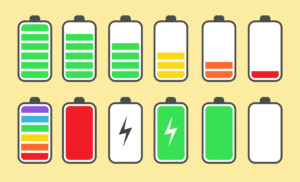
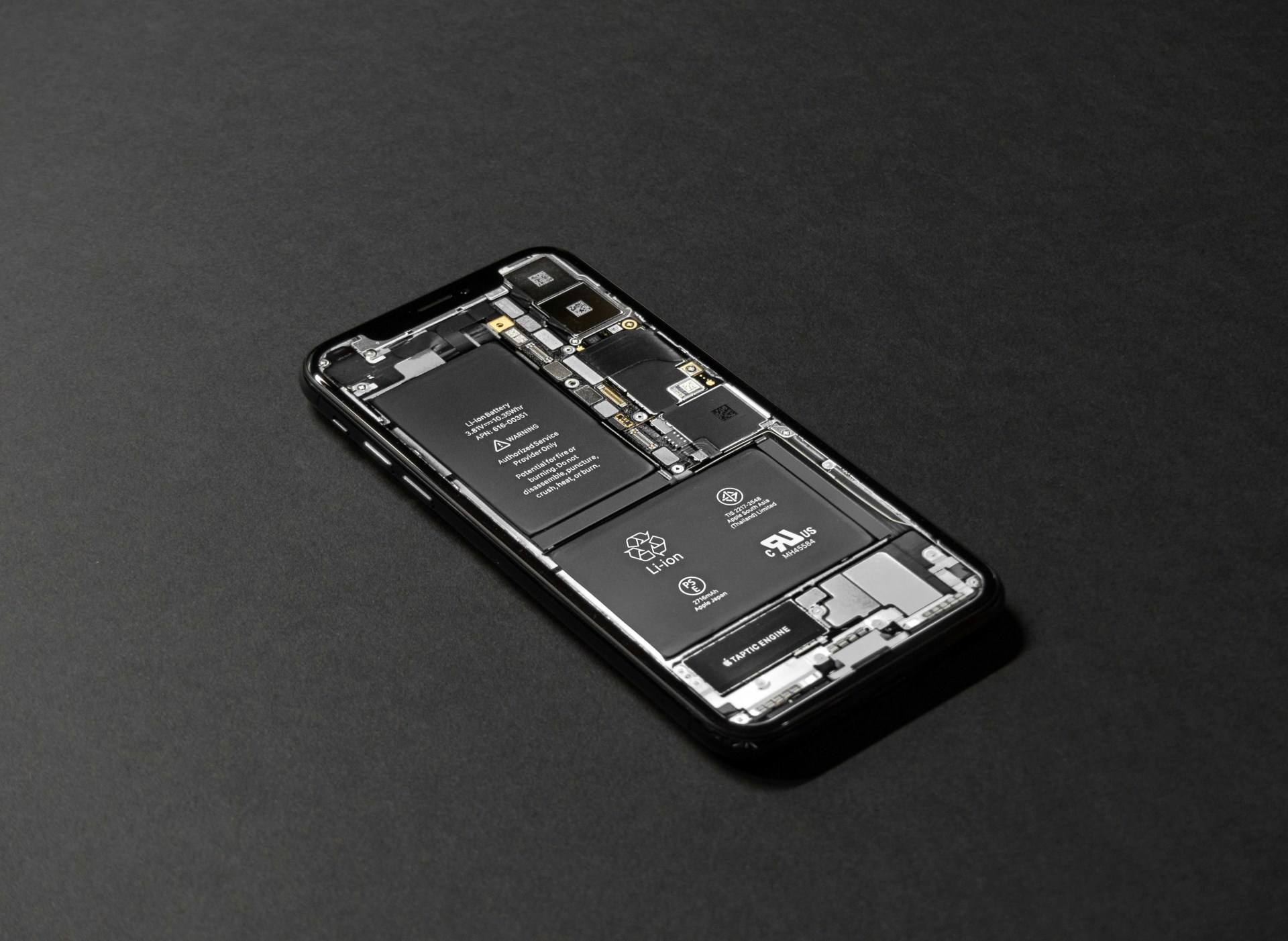
Smartphone batteries power almost everything we do — communication, banking, navigation, entertainment, learning, and work. Yet battery care is one of the most misunderstood areas of smartphone usage. Many people still follow old habits or believe outdated advice that causes more harm than good.
While smartphone technology has evolved rapidly, many myths about batteries continue to circulate. Some of these misconceptions seem harmless. Others can actually reduce battery lifespan, cause performance issues, or create safety risks.
This article cuts through the noise and breaks down the most common smartphone battery myths, explains what’s true, and highlights the smart habits that genuinely improve your battery’s health.
“Good battery life is not luck — it’s the result of good habits and accurate knowledge.”
Let’s explore the myths one by one.
Why Battery Myths Spread So Easily
Most people learned early battery habits from older devices, especially phones that used nickel–cadmium (Ni-Cd) or nickel–metal hydride (Ni-MH) batteries. Those technologies behaved very differently from today’s lithium-ion (Li-ion) and lithium-polymer (Li-Po) batteries.
Many outdated ideas have simply been passed down:
- “Drain your battery fully before charging.”
- “Don’t charge your phone overnight.”
- “Different chargers damage your battery.”
These statements might have applied to older batteries, but modern smartphone batteries operate on completely different chemistry.
Understanding these changes helps protect your phone and improve its long-term performance. You can also learn to make your smartphone battery’s charging last longer by following simple Dos and Donts.
Myth 1: You Must Fully Drain Your Battery Before Charging
This is one of the oldest and most persistent myths in phone history. People still believe that letting the battery drop to 0% improves performance or “resets” the battery.
Reality:
Modern smartphones use lithium-ion batteries, which perform best when they are kept between 20% and 80% most of the time.
Letting your battery hit 0% frequently puts unnecessary stress on the cells and shortens the lifespan. It can also cause the phone to enter a deep-discharge state, which is risky.
Why the myth existed:
Older Ni-Cd batteries had a “memory effect,” where they lost capacity if not fully discharged. Lithium-ion batteries do not suffer from this problem.
Smart habit:
- Try not to let your battery drop below 20% regularly.
- Charge in small bursts when convenient — it’s healthier for the battery.
Myth 2: You Should Not Charge Your Phone Overnight
Many people think charging overnight harms the battery or “overfills” it. This worry comes from misunderstanding how charging systems work. You can understand in detail all about overnight charging whether it is good or nor good for a better battery life.
Reality:
Smartphones are designed with advanced charging logic. When your battery reaches 100%, the phone automatically stops charging. Power flows directly to the device instead of the battery.
Your battery is not being continuously charged all night.
However, overnight charging can keep the phone warm, especially if placed under a pillow, case, or blanket. Heat is the real enemy, not the act of charging itself.
Why the myth spreads:
People assume that if the phone stays at 100% for hours, it must be harmful. But phones trickle-charge and regulate voltage carefully.
Smart habit:
- Charging overnight is safe, but avoid covering the phone.
- Use original chargers to prevent overheating.
Myth 3: Closing Apps Saves Battery
This myth is so common that even experienced users believe it. Many people constantly swipe away all background apps to “reduce battery drain.”
Reality:
Modern operating systems like Android and iOS are designed to manage background apps automatically. When an app is not in use, the system freezes it, and it consumes almost no power.
Repeatedly closing apps forces the phone to use more battery to reopen them later.
Why people believe this myth:
Seeing many apps in the recent apps menu makes it look like they are still running. In reality, most of them are idle and not consuming resources.
Smart habit:
- Only close apps that are misbehaving (glitches, freezing, heating).
- Let the system manage the rest.
Myth 4: Using Third-Party Chargers Damages the Battery
This myth is partially true and partially false — and needs clarification.
Reality:
Using a cheap, low-quality, uncertified charger can be dangerous. These chargers may deliver unstable voltage and harm the battery.
But using a good-quality third-party or certified charger from a reputable brand is safe.
Your phone controls the power intake, not the charger. The charger simply provides voltage; the phone regulates how much power the battery accepts.
Why this myth exists:
Cheap chargers used to damage devices because they lacked protective circuits. Today, certified chargers meet strict safety standards.
Smart habit:
- Avoid unbranded chargers.
- Look for chargers that support your phone’s charging standards.
- Choose brands with safety certifications.
Myth 5: Fast Charging Harms Your Battery
Many users believe fast charging “burns out” the battery or shortens its lifespan.
Reality:
Fast charging is designed by engineers who carefully control voltage and temperature. Your phone regulates the speed of charging based on heat and battery condition.
With brands pushing extreme charging speeds, wattage has become a hot topic. Learn how many watts the world’s fastest smartphone charger and whether such power is actually practical.
Fast charging only outputs full speed up to a certain percentage — usually around 50–60%. After that, the charging speed automatically slows down to protect the battery.
Why people believe it:
Fast chargers get warm, and warmth feels dangerous. But this heat is monitored and managed.
Smart habit:
- Fast charge when needed.
- For overnight charging, slow chargers are a gentler option (but optional).
- Keep the phone in a cool space while charging.
Fast charging has improved a lot over the years, yet misconceptions still circulate online. Discover the truth behind the most common smartphone fast charging myths busted and learn how charging really works.
Myth 6: Turning Off Wi-Fi, Bluetooth, and Location Always Saves Battery
People often disable these features assuming they drain power constantly.
Reality:
Modern smartphones are optimized to manage these features with very minimal battery usage when idle.
The battery drain is negligible when:
- Wi-Fi is on but not connected
- Bluetooth is on but not paired
- Location services are idle
The real consumption happens only during active usage.
Smart habit:
- Disable these services only if the battery is critically low.
- Otherwise, don’t worry — they barely affect modern smartphones.
Myth 7: Battery-Saving Apps Improve Battery Health
There are countless apps claiming to “boost battery life” or “optimize performance.”
Reality:
Most of these apps do more harm than good. They force-stop background processes repeatedly, increasing battery usage. Some even collect user data or show intrusive ads.
Smart habit:
- Use built-in battery optimization tools instead of third-party battery apps.
- Let the phone manage its own processes.
Myth 8: Keeping the Phone Plugged In Damages the Battery
Some people believe that keeping the phone plugged in while using it harms the battery.
Reality:
Using the phone while plugged in is safe, but heat can accumulate during heavy use.
Playing games, editing videos, or running intensive apps while charging can cause the device to warm up. Again, heat, not the act of plugging in, is the issue.
Smart habit:
- Avoid heavy usage while charging.
- Keep the phone uncovered.
- Use original or certified chargers.
Myth 9: You Must Always Charge to 100%
Some users feel insecure unless their battery is full.
Reality:
Charging to 100% is not harmful, but lithium-ion batteries are happiest between 40% and 80% for daily use.
Charging fully occasionally is fine, but doing it constantly can add small stress to the battery.
Smart habit:
- Charge fully only when needed (like long travel).
- Daily charging can be partial.
What Actually Damages Your Smartphone Battery?
Now that the most common myths are clear, let’s identify the real factors that reduce battery health:
1. Heat
The biggest enemy of battery lifespan. Heat accelerates chemical aging.
2. Continuous deep discharge
Frequently letting the battery hit 0% shortens its life.
3. Extreme charging habits
Keeping the battery at 100% while exposed to heat can cause stress.
4. Cheap chargers and cables
Low-quality accessories can cause voltage instability.
5. Heavy usage during charging
This creates heat buildup.
6. Battery aging
Every battery naturally loses capacity over time — this is normal.
How to Increase Your Smartphone Battery Lifespan (Pro Tips)
Here are practical, expert-backed tips to extend your battery life:
1. Keep the battery between 20%–80% whenever possible
Avoid deep discharge and unnecessary full charges.
2. Avoid exposing your phone to heat
Don’t leave it in the car, under pillows, or near sunlight.
3. Use original or certified chargers
Good quality accessories protect your device.
4. Remove thick covers during charging
This allows better heat dissipation.
5. Use dark mode and reduce screen brightness
The display consumes more energy than any other component.
6. Keep your software updated
Manufacturers improve battery optimization over time.
7. Uninstall battery-draining apps
Some apps run heavy background activity.
8. Avoid fast-charging constantly if you don’t need it
Use it when necessary; slow charging is gentler.
Are Battery Health Numbers Always Accurate?
Most smartphones display battery health percentages. These numbers are estimates based on charge cycles and voltage readings. They help track aging but are not perfectly precise.
If your battery health drops below:
- 85% → You may notice reduced backup
- 80% → Replacement may be beneficial
- 70% or below → Expect significant performance impact
Battery replacement is safe and affordable — and can give your phone a fresh life.
Here is an extensive article on iPhone battery health’s 80% rule and replacement guide to help you understand the issue better.
When Should You Replace Your Phone Battery?
Consider replacement if:
- The phone shuts down unexpectedly
- Battery drains unusually fast
- Battery health reading is low
- The phone heats up regularly
- Charging takes too long
A fresh battery can restore performance, eliminate lag, and extend your phone’s lifespan by years.
Conclusion: Focus on Real Facts, Not Myths
Smartphone batteries are more advanced, safer, and more efficient than ever. But they still need proper care — not outdated habits or viral myths.
Understanding the truth behind battery behavior helps you:
- Extend lifespan
- Improve performance
- Reduce overheating
- Avoid unnecessary damage
- Save money on early battery replacements
“The more you understand your battery, the longer it lasts.”