Buying a phone today is not a simple decision. Options have increased. Prices have gone up. Technology changes fast. Many people now face the same question: should you buy a brand-new smartphone or choose a pre-owned device?
This guide explains the real differences between a fresh handset and a second-hand mobile phone. It is written for everyday users and repair technicians who want deeper clarity. No hype. No myths. Just facts, experience-based insights, and practical advice.
Whether you are a student, a working professional, a budget buyer, or a technician advising customers, this article will help you make a confident choice.
Understanding the Basics
Before comparing, let’s define the two options clearly.
Choosing between a new and a used phone isn’t just about price-it directly affects performance, longevity, support, and overall ownership experience. Understanding how each option fits into your daily usage pattern helps you make a smarter, regret-free decision.
A new phone is typically designed for long-term use, with predictable performance, full software updates, and maximum battery health.
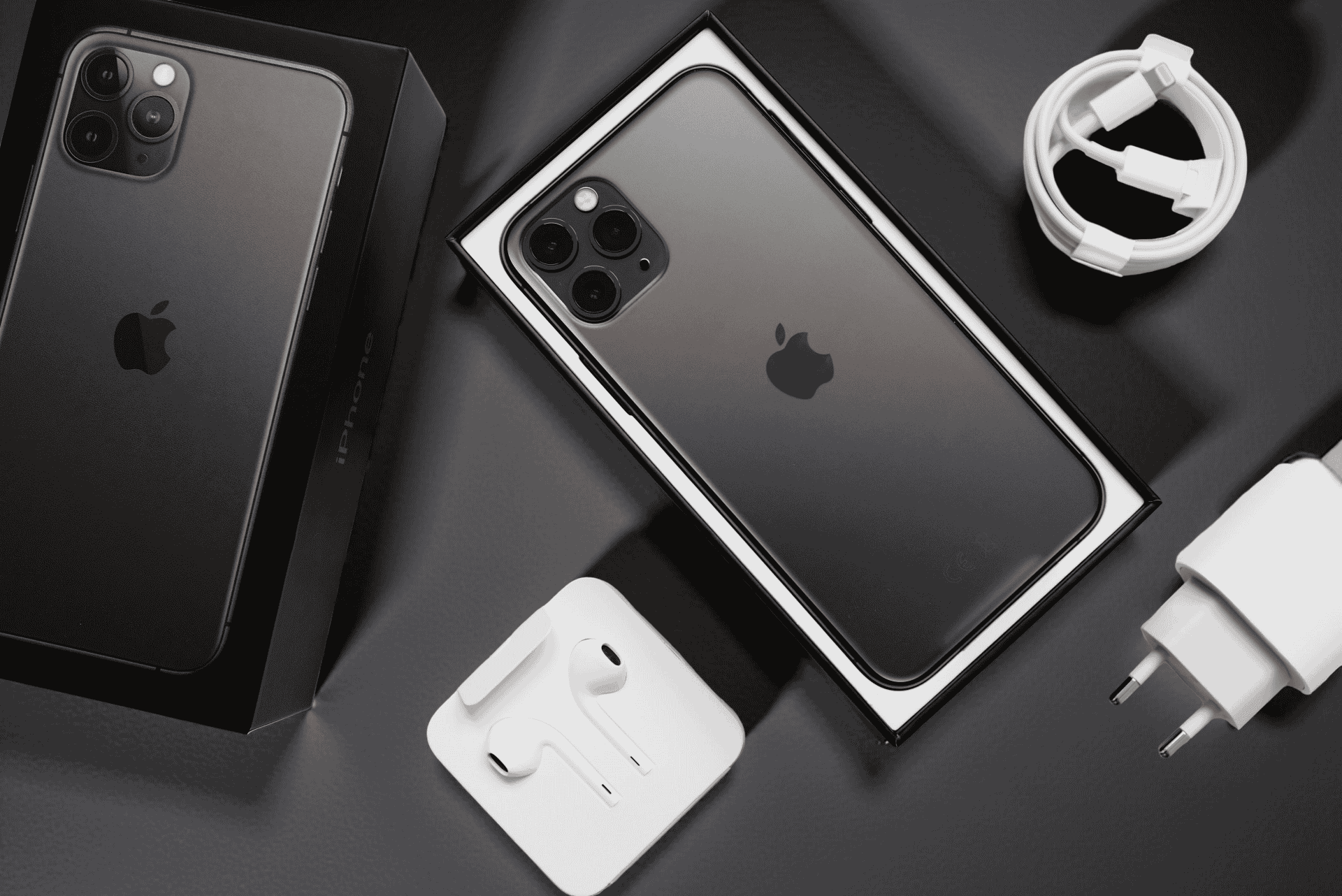
A new phone is a factory-sealed device sold by the manufacturer or authorized seller. It comes unused, with original accessories, official warranty, and full software support.
A used phone is a previously owned device. It may be refurbished, reconditioned, or simply resold by an individual. Condition, warranty, and reliability depend on usage history and seller quality. A used phone can be a great value buy-but its real-world experience depends heavily on how it was previously used and maintained.
“The best purchase is not the cheapest one — it’s the one that serves you reliably for the longest time.”
Many users are searching for clarity around the Tesla phone launch. In this article, Tesla Pi Phone price, features, and release date rumours are explained with facts and realistic expectations to help you separate truth from speculation.
Price Difference: The Biggest Deciding Factor
Cost of a Brand-New Smartphone
New devices come at full market price. You pay for:
- Latest processor and features
- Zero wear and tear
- Official warranty
- Long-term software updates
Flagship phones cost significantly more due to branding, R&D, and early adoption pricing.
Cost of a Pre-Owned Mobile Device
Second-hand phones are cheaper because:
- Depreciation happens fast
- Minor cosmetic wear reduces resale value
- Warranty may be limited or expired
In many cases, a used phone costs 30–60% less than the original price.
Key Tip: If budget is tight but performance matters, a lightly used premium phone often beats a new low-end model. Knowing what to check before buying a used phone helps you avoid problems.
Performance and Speed Comparison
New Phone Performance
A new handset gives:
- Faster chipsets
- Better battery optimization
- Smooth multitasking
- Latest AI-based camera processing
Performance remains consistent for years if properly maintained.
Used Phone Performance
Performance depends on:
- Processor generation
- Storage health
- Battery condition
- Software updates received
Important: A used flagship from a previous generation often performs better than a new budget phone.
For technicians, this is a common customer misconception worth correcting. Our mobile repairing course also teaches you how to choose and check phones properly. The course is short in duration and budget-friendly.
Battery Health: A Critical Difference
Battery condition is one of the most overlooked factors.
New Device Battery
- 100% battery health
- Full-day usage easily
- No sudden shutdown issues
Used Device Battery
- Capacity may drop to 70–85%
- Faster drain
- Possible overheating
For repair professionals: Battery replacement cost must be factored into the final price before recommending a used handset.
Always check battery cycles and health status, especially in iPhones and heavily used Android phones.
Warranty and Support
Warranty on New Phones
- Manufacturer warranty (usually 1 year)
- Software updates guaranteed
- Service center support available
This adds peace of mind, especially for non-technical users. To understand phone features and make a smart choice, check our things to check before buying a new smartphone: Buying Guide article for beginners.
Warranty on Used Phones
- Often expired
- Limited seller warranty (if refurbished)
- Repairs may be out-of-pocket
Trust matters more than price when buying a pre-owned device.
Software Updates and Security
New Smartphone Advantage
New phones receive:
- OS updates
- Security patches
- Feature upgrades
This keeps your device safe and compatible with new apps.
Used Smartphone Reality
Older phones may:
- Stop receiving updates
- Become vulnerable to security risks
- Face app compatibility issues
Technicians should check update eligibility before recommending older models.
Camera Quality: More Than Megapixels
Camera quality is influenced by:
- Sensor size
- Image processing
- Software optimization
New Phone Cameras
- Improved night mode
- Better video stabilization
- AI-based photography features
Used Phone Cameras
Older flagships still deliver:
- Superior optics
- Better dynamic range
- Consistent results
A used premium phone often beats a new entry-level phone in camera quality. Also check our tips on how to get the best photo quality from your smartphone. These simple tips can help you get clearer and sharper pictures in daily use.
Storage and RAM Considerations
New phones now offer:
- Faster storage types
- Better memory management
- Higher base RAM
Used phones may suffer from:
- Storage wear
- Slower read/write speeds
- Reduced performance if storage is nearly full
Technician insight: Storage degradation can cause lag even if RAM and CPU are strong.
Build Quality and Durability
New Devices
- Scratch-free body
- Water resistance intact
- Seals not broken
Used Devices
- Possible drops
- Micro-cracks
- Compromised water resistance
Always inspect frame alignment and camera glass, especially in used iPhones and slim Android phones.
Risks Involved in Buying Used Phones
Used phones carry real risks if checks are skipped:
- Hidden motherboard issues
- Replaced or duplicate parts
- iCloud or Google account lock
- IMEI blacklisting
- Network or baseband faults
For technicians: Proper diagnostics and IMEI verification protect both you and the customer.
Who Should Buy a New Phone?
A brand-new phone is ideal if you:
- Want long-term reliability
- Prefer official warranty
- Use the phone heavily for work
- Are not comfortable with repair risks
It’s also suitable for users who rely on banking apps, secure data, and frequent updates. If you’re planning to buy a new Android smartphone for gaming, find out which Qualcomm Snapdragon or MediaTek Dimensity processor is best for mobile gaming.
Who Should Buy a Used Phone?
A used phone makes sense if you:
- Have a limited budget
- Want premium features at lower cost
- Upgrade frequently
- Understand basic phone checks
Students, backup phone users, and repair professionals often benefit most from this option.
Here is a guide on what things you have to check while buying a used second hand phone. While if you are planning to buy a used iPhone, you can go through our article on What Things You Have to Check Before You Buy a Second Hand Used iPhone
“Smart buyers focus on value, not just freshness.”
Advice for Repair Technicians
For technicians, understanding both sides is crucial.
When Recommending New Devices
- Less after-sales trouble
- No immediate repair liability
- Happy long-term customers
When Handling Used Devices
- Inspect battery, display, and board
- Explain realistic lifespan
- Offer optional servicing
Transparency builds trust and repeat business.
Environmental Impact
Buying used devices:
- Reduces electronic waste
- Extends device life cycle
- Lowers carbon footprint
From a sustainability angle, refurbished phones play an important role.
Common Myths Explained
Myth: Used phones are always unreliable
Fact: Properly checked devices can work flawlessly for years
Myth: New phones never fail
Fact: Manufacturing defects exist even in sealed units
Myth: Cheap new phones are better than old flagships
Fact: Performance and camera quality often say otherwise
How to Decide: A Simple Checklist
Ask yourself:
- What is my budget?
- How long will I use this phone?
- Do I need warranty?
- Can I verify device condition?
- Am I comfortable with minor repairs?
Your answers will guide the right choice.
Final Verdict: Which One Should You Buy?
There is no universal winner.
- A new smartphone offers reliability, updates, and peace of mind.
- A used mobile phone offers value, premium features, and savings.
The best decision depends on budget, usage, risk tolerance, and technical understanding.
Whenever you are buying a phone, it’s helpful to know the key differences between original handsets and clones—our article on original vs duplicate phone tips covers practical ways to spot a fake.
For technicians, educating customers honestly matters more than pushing either option.
Frequently Asked Questions (FAQs)
1. Is it better to buy a new phone or a used phone?
A new phone is better if you want warranty, long-term software updates, and peace of mind. A used phone is better if you want good features at a lower price.
2. How long can a used smartphone last?
A properly maintained used smartphone can last 2 to 4 years, depending on battery health, usage, and software support.
3. What should I check before buying a used mobile phone?
You should check battery condition, IMEI status, display, camera, speakers, network signal, and account locks before buying.
4. Are refurbished phones safer than normal used phones?
Yes. Refurbished phones are usually tested, repaired if needed, and may come with limited warranty, making them safer than directly used phones.
5. Do used phones receive software and security updates?
It depends on the model and brand. Newer used phones may still get updates, while older models may stop receiving them.
6. Is a used iPhone better than a new budget Android phone?
In many cases, yes. A used iPhone often offers better performance, camera quality, and longer software support than a new low-end Android phone.
7. Can battery issues in used phones be fixed?
Yes. Battery replacement is possible for most smartphones and can significantly improve backup and overall performance.
8. Are used phones safe for banking and payment apps?
Used phones can be safe if they are fully reset, updated, and free from account locks or suspicious software.
9. Should repair technicians recommend used phones to customers?
Yes, but only after proper inspection and honest explanation of the phone’s condition, lifespan, and possible future repairs.
10. Which option is more cost-effective in the long run?
A new phone offers fewer repair costs and longer support, while a used phone saves upfront money but may need earlier maintenance.
Quick Summary
- New phones = safety, support, long-term use
- Used phones = affordability, value, smart upgrades
- Battery, warranty, and software matter more than brand
- Inspection and transparency are key
If you choose wisely, both options can be excellent.