
Smartphones have become essential for daily life. But brand-new phones are expensive. Many people prefer reliable second hand or refurbished phones at a lower price. This gap between demand and affordability has created a strong opportunity for a second hand mobile reselling business.
Why the Second Hand Mobile Business Works
In India, the used smartphone market continues to grow due to frequent phone upgrades, rising prices of new devices, and increased trust in pre-owned phones. The business of buying and selling used second hand phones can be started with low investment, scaled gradually, and operated both online and offline.
This guide explains everything you need to know—from basics to practical execution—using simple language and real-world insights.
What Is a Second Hand Mobile Reselling Business?
A second hand mobile reselling business involves:
- Buying used smartphones from individuals, shops, or wholesalers
- Checking and grading their condition
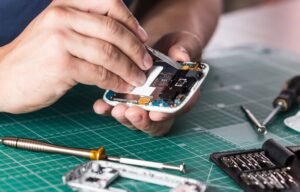
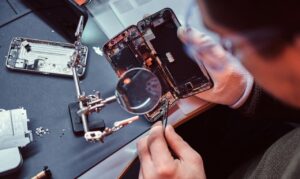
- Repairing minor issues if needed
- Reselling them at a profit
You earn money from the difference between buying cost and selling price, after adjusting for repairs and expenses.
Used vs Refurbished Phones (Clear Difference)
| Aspect | Used Phone | Refurbished Phone |
|---|---|---|
| Condition | Sold as-is | Tested and repaired |
| Warranty | Usually none | Short seller warranty |
| Trust level | Medium | Higher |
| Price | Lower | Slightly higher |
Most beginners start with used phones, then move into refurbished phones for better margins.
Why This Business Is Growing in India
Several practical reasons explain the growth:
- New smartphones are expensive
- Many users upgrade phones every 1–2 years
- Students and budget users prefer used devices
- Popular Android and iPhone models have strong resale value
- Online marketplaces make selling easier
Real-life insight: Many successful resellers begin from home with 5–10 phones before opening a shop.
Skills You Need To Get Started
Basic Technical Skills
- Checking display screen, battery, camera, speaker, and mic
- Understanding phone condition and wear
- Identifying obvious faults
Business Skills
- Negotiating prices
- Honest communication with buyers
- Basic record keeping
- Customer follow-up
These skills improve with practice. Many people learn them within a few weeks. You have to be alert at both times – while buying and selling second hand phones to avoid mistakes and losses.
Step-by-Step: How to Start the Business
Step 1: Market Research (Very Important)
Before buying any phone, understand:
- Which models sell fast in your area
- Average buying and selling prices
- Demand for Android vs iPhone models
Visit local markets and check online listings daily for at least one week. Also find wholesalers of used mobile phones which are plenty in every city and town in India. Once you settle, you can also start a complete mobile phone repair shop and provide multiple services and increase your profits.
Step 2: Choose Your Business Model
You can start in any of these ways:
- Home-based reselling: Lowest cost
- Shop-based business: Higher trust, higher rent
- Online-only selling: Social media or marketplaces
- Hybrid model: Shop + online presence
Beginner tip: Start from home or online to reduce risk.
Step 3: Where to Buy Second Hand Mobiles
Common sourcing options include:
- Individuals upgrading their phones
- Local mobile repair shops
- Phone dealers and wholesalers
- Office or company phone replacement sales
Always buy after proper testing and IMEI verification.
How to Check a Used Phone Before Buying
This is the most important step in the business.
Essential Checks You Must Do
- IMEI status: Not blocked or blacklisted
- Screen: Touch, brightness, lines, dead spots
- Battery: Charging speed and backup
- Camera: Front and back clarity
- Speakers & mic: Call and sound test
- Network: SIM detection and signal
Here is a list of things to check before buying a second hand phone. This step decides your profit or loss.
How to Check IMEI Number and Avoid Stolen Phones in India
Always check the IMEI number before buying a second hand phone to ensure it is genuine and not reported stolen. Dial *#06# on the phone and match the IMEI with the number shown in the settings and on the box, if available.
In India, you can verify the IMEI using the official government CEIR portal:
https://www.ceir.gov.in
Avoid phones with missing or tampered IMEI numbers, and buy only from sellers who can provide proof of ownership. This simple check helps prevent from police and legal issues and protects you from financial loss.
Practical tip: Always test with your own SIM card and charger.
Warning Signs of Suspicious Sellers
Be alert if:
- Seller refuses ID proof
- Phone is unusually cheap
- Seller pressures you to buy quickly
- No clear ownership history
Trust your instinct. Walking away is better than a loss.
Best-Selling Android Brands
Try to deal only with popular and fast selling brands like iPhone, Samsung, Vivo, Oppo, Xiaomi, Poco, OnePlus, Realme, etc
Here are all things you have to check before buying a used or refurbished iphone without taking risks
Understanding Phone Grading (Simple System)
- Grade A: Almost new, minor scratches
- Grade B: Visible wear but fully functional
- Grade C: Heavy wear, dents, or replaced parts
Clear grading builds trust and reduces returns. Many users are confused between buying new phones vs used phones and are unble to decide which one to buy.
Pricing Strategy: How Profit Is Made
Factors That Affect Price
- Brand and model
- Storage and RAM
- Physical condition
- Battery health
- Market demand
Simple Profit Formula
Selling Price – (Buying Price + Repair Cost) = Profit
Example:
Buy phone for ₹6,000
Repair cost ₹500
Sell for ₹8,000
Profit = ₹1,500
Repair: Do You Need Mobile Repair Skills?
Repair knowledge is not mandatory, but it helps.
What Beginners Usually Fix
- Battery replacement
- Charging port issues
- Screen replacement
If you don’t repair phones yourself, partner with a local technician. You can join Prizm Institute in Mumbai and learn the necessary skills. The mobile repairing course fees here is very economical.
Legal and Safety Considerations in India
Important Legal Practices
- Always verify IMEI
- Keep seller ID and phone records
- Avoid stolen or suspicious devices
- Register your business if scaling
Data Safety (Very Important)
- Factory reset before selling
- Remove all Google or Apple accounts
- Never sell phones with active locks
Selling Channels That Work Well
Offline Selling
- Local shop
- Referrals and repeat customers
Online Selling
- Classified platforms like Olx, Quikr, Facebook Marketplace
- Social media pages
- WhatsApp Status & Whatsapp Business catalogs
Experience-based tip: Posting real phone photos and videos increases buyer trust.
Common Mistakes Beginners Make
- Buying phones without testing
- Overpaying due to excitement
- Ignoring battery replacement cost
- Selling without data wipe
- Not tracking expenses
Avoiding these mistakes saves money early on.
Pros and Cons of This Business
Pros
- Low startup cost
- High demand
- Flexible working hours
- Easy to scale
Cons
- Risk of defective phones
- Price fluctuations
- Requires careful testing
- Trust-building takes time
Common Customer Questions and How to Answer Them
“Is this phone original?”
Explain:
- Parts condition
- Whether any part is replaced
- Why the price reflects condition
“Why is it cheaper?”
Answer honestly:
- It is used
- Minor wear
- No brand warranty
“How long will the battery last?”
Say:
- Current battery condition
- Expected daily usage
- Offer battery replacement option if needed
“Can I return it?”
Clearly explain:
- Checking period rules
- What issues are covered
- What is not covered
Risks, Loss Scenarios, and How to Minimize Them
No business is risk-free.
Dead Stock
Phones that don’t sell cause cash blockage.
Reduce by:
- Buying fast-moving models
- Avoiding emotional purchases
Sudden Price Drops
Happens when:
- New models launch
- Market demand changes
Sell quickly instead of waiting.
Hidden Hardware Faults
Reduce risk by:
- Proper testing
- Buying from known sources
- Keeping small margins on risky phones
Buyer Disputes
Avoid by:
- Clear terms
- Honest condition disclosure
- Written bills
Ethical Practices in Second Hand Mobile Reselling
Ethics build long-term trust.
Data Privacy Responsibility
Always:
- Factory reset phones
- Remove all accounts
- Protect previous owner data
Avoiding Misleading Claims
Never claim:
- “Like new” if it’s not
- “Brand warranty” when expired
Fair Pricing
Price based on:
- Condition
- Market demand
- Repair cost
When This Business May NOT Be Right for You
This business may not suit you if:
- You dislike negotiation
- You are unable to check phones
- You rush decisions
- You avoid customer interaction
- You are uncomfortable with small risks
Honest self-evaluation saves time and money.
Practical Tips for Long-Term Success
- Start small and grow slowly
- Focus on fast-selling models
- Keep clear buying and selling records
- Be honest about phone condition
- Learn basic mobile repair skills
Important: Trust is your biggest asset in this business.
Frequently Asked Questions (FAQs)
1. How much money is needed to start?
You can start with a small amount and reinvest profits to grow.
2. Is this business profitable long term?
Yes, if you buy smartly, test properly, and price correctly.
3. Do customers prefer Android or iPhone?
Both sell well. iPhones have stronger resale value, while Android phones sell faster.
4. Is warranty required for used phones?
Not mandatory, but a short checking warranty builds trust.
5. Can I run this business part-time?
Yes. Many resellers start part-time before going full-time.
6. Is online selling safe?
Yes, if you meet buyers carefully and verify payments.
Conclusion: Is This Business Right for You?
A second hand mobile reselling business is practical, beginner-friendly, and scalable. It does not require a degree, large investment, or complex systems. What it needs is attention to detail, honest dealing, and consistent learning.
If you enjoy smartphones and want a flexible business with steady demand, this can be a strong long-term opportunity.