
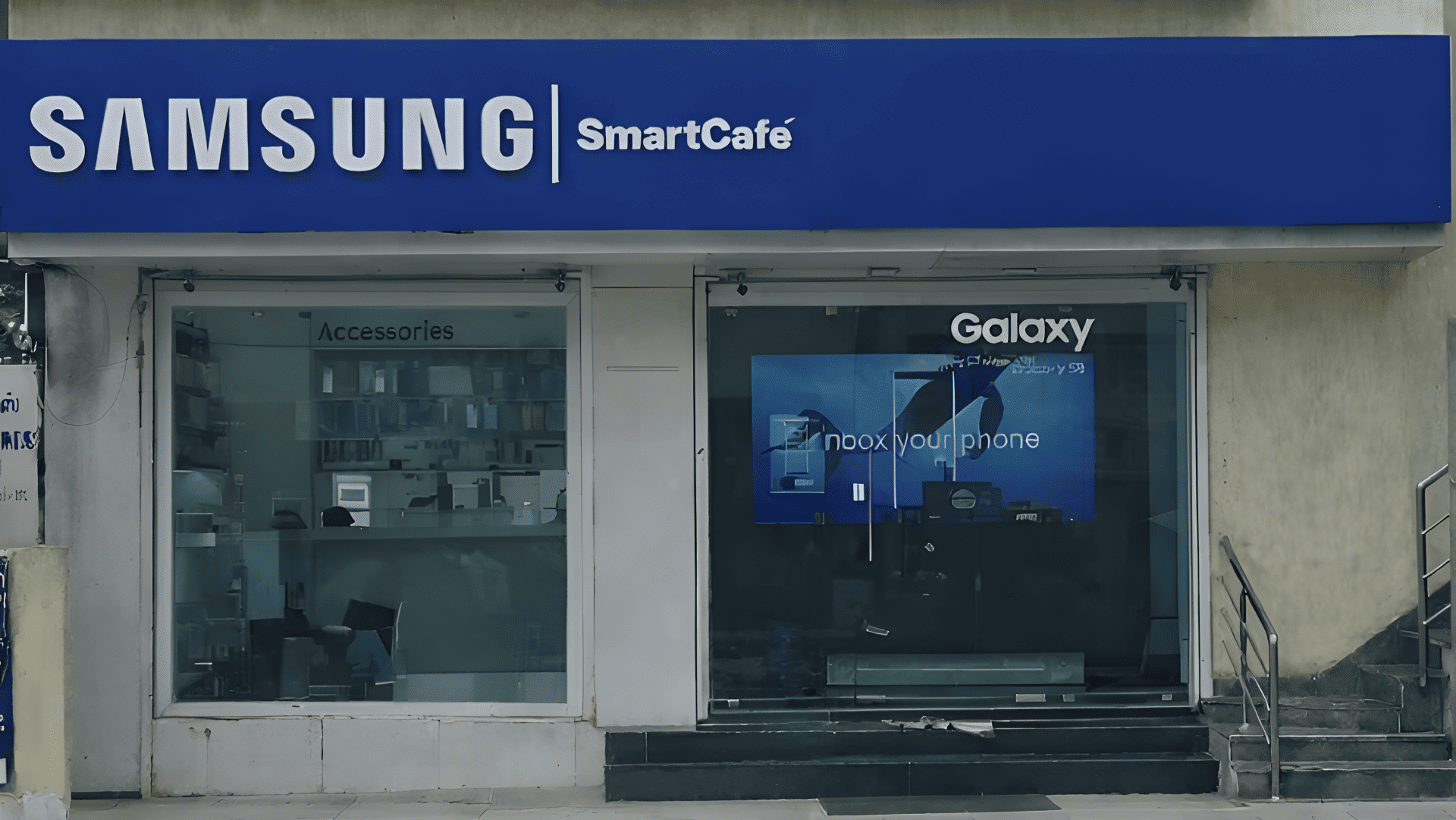
Many people open local mobile repair shops, but an authorised mobile repair service center is a different and more structured business. It works directly with mobile brands and follows strict service, quality, and compliance rules.
This guide explains how to start an authorised mobile repair service center, step by step, in clear and simple language. It is written for beginners, technicians, and entrepreneurs who want long-term stability instead of short-term gains.
What Is an Authorised Mobile Repair Service Center?
An authorised mobile repair service center is a repair facility that has official approval from a smartphone brand to service its devices.
Such a center is allowed to:
- Repair phones under warranty
- Use original spare parts only
- Access official diagnostic software
- Follow brand-defined repair procedures
In return, the service center must follow strict rules, including service timelines, customer handling standards, and regular audits.
Simply put, you become a trusted service partner of the brand.
Why Authorised Mobile Repair Is a Good Business Opportunity
Samrtphone repair is one of the biggest markets today in the world. Millions of Android phones and iPhones are actively used every day. No matter how advanced a smartphone is, problems are common over time, such as:
- Screen damage
- Battery issues
- Charging problems
- Software errors
Customers with expensive smartphones prefer authorised service centers because they want safety, warranty protection, and genuine parts.
Key reasons this business works:
- Warranty repairs are handled only by authorised centers
- Customers trust brand-backed service
- Demand exists in almost every city and town
- Income is stable and predictable
This business focuses on trust and consistency, not fast profits.
If you are confused between working as a mobile technician or running your own mobile shop, this article will help you choose the best path for your future.
Authorised Service Center vs Local Mobile Repair Shop
Understanding this difference helps you decide the right path.
| Factor | Authorised Service Center | Local Repair Shop |
|---|---|---|
| Brand approval | Required | Not required |
| Warranty repairs | Allowed | Not allowed |
| Spare parts | Original only | Mixed quality |
| Rules & audits | Very strict | Flexible |
| Initial investment | Higher | Lower |
| Profit per repair | Moderate | Often higher |
| Long-term stability | High | Medium |
Important insight:
Authorised centers earn steadily over time, while local shops depend heavily on daily margins. Here are guidlines to open a normal mobile phone repair shop if you do business independently and do not wish to tie-up with any brand.
You do not need approval from any mobile brand, which reduces paperwork and startup time. Basic requirements include a small commercial space, essential repair tools, genuine or compatible spare parts, and basic technical skills. You can repair multiple brands under one roof and set your own service pricing. A local mobile phone repair shop requires relatively low investment and can generate high profits with steady customer demand.
Which Mobile Brands Offer Authorised Service Opportunities?
Most smartphone brands in India and worldwide operate service centers in two ways:
- Company-owned service centers
- Authorised partner or franchise-based service centers
Approval is limited and selective. Brands usually consider:
- Demand in the city
- Availability of existing service centers
- Location quality
- Financial strength of the applicant
Eligibility Criteria to Open an Authorised Mobile Repair Service Center
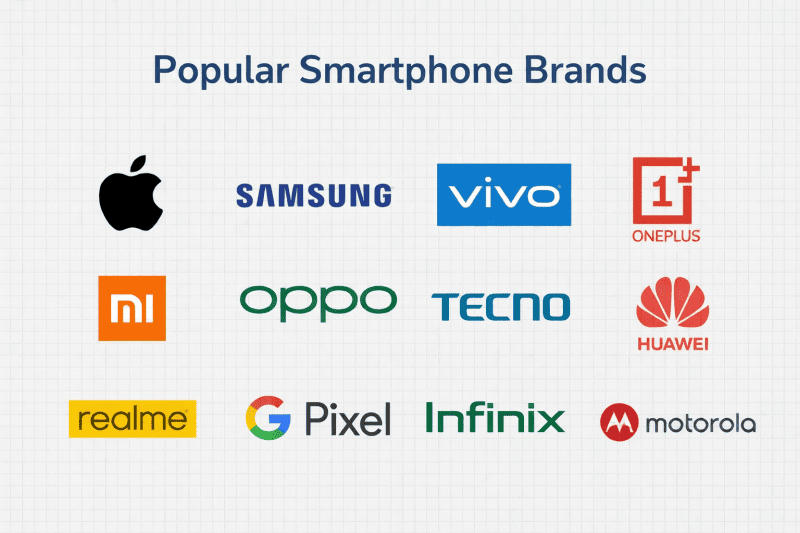
You can open authorised mobile repair service centers for popular smartphone brands such as Apple, Samsung, Vivo, Oppo, OnePlus, Realme, Motorola, Xiaomi, iQoo, Huawei, and several other global and regional brands.
Each company follows its own approval process, service standards, and operational rules. The requirements are not uniform – they vary in terms of investment, shop size, equipment, staffing, training, and reporting systems.
Among all brands, Apple has the strictest authorisation criteria, including higher infrastructure standards, certified technicians, advanced diagnostic tools, and very close monitoring of service quality.
While requirements vary by brand, some expectations are common.
Educational and Technical Requirements
- Minimum basic education (10th or 12th pass is usually sufficient)
- Technical knowledge is helpful but not mandatory
- You can hire trained technicians if needed
Financial Requirements
- Investment capacity of ₹6 lakh to ₹20+ lakh
- Ability to manage expenses for initial months
- Security deposit as per brand policy
Location Requirements
- Commercial area with good visibility
- Easy access for customers
- Minimum shop size as per brand norms
- Reliable electricity and internet
Legal Registrations and Licenses Required
Before applying for authorisation, your business must be legally registered. Every country worldwide has a different set of laws and registration requirements
Common Registrations required in India.
- Business registration
(Proprietorship, Partnership, LLP, or Private Limited) - GST registration
- Shop Act (Gumasta) license
- Trade license from local authority
Having proper documents shows professionalism and improves approval chances.
Infrastructure and Shop Setup Requirements
An authorised service center must look professional and organised.
Typical Setup Includes:
- Reception and billing counter
- Customer waiting area
- Separate repair workstation
- ESD-safe environment
- CCTV cameras
- Power backup system
- Secure storage for mobile devices
Cleanliness and layout are closely inspected by brands.
Tools, Equipment, and Software Needed
Brands do not allow random or low-quality tools.
Common Requirements:
- Brand-approved mobile phone repair tools
- Advanced soldering and rework stations
- ESD mats and wrist straps
- Calibration and testing equipment
- Official service management software
During inspection, tools are physically verified.
Investment and Cost Breakdown
Here is a realistic estimate for India.
| Expense | Approximate Cost |
|---|---|
| Shop interiors & branding | ₹1.5 – 3 lakh |
| Tools & equipment | ₹2 – 5 lakh |
| Brand security deposit | ₹2 – 10 lakh |
| Staff hiring & training | ₹50,000 – 1 lakh |
| Licenses & legal | ₹20,000 – 40,000 |
| Total Investment | ₹6 – 20+ lakh |
Actual costs depend on brand, city, and shop size.
Step-by-Step Process to Get Authorisation
Step 1: Market Research
- Check smartphone usage in your area
- Identify brands lacking service coverage
Step 2: Prepare Documents
- Business registration
- Financial details
- Shop location details
Step 3: Apply to the Brand
- Apply through official brand channels
- Submit required forms and documents
Step 4: Location Inspection
- Brand team checks shop location and surroundings
Step 5: Infrastructure Approval
- Interior setup and equipment reviewed
Step 6: Technician Training
- Brand-provided technical training
- Certification tests
Step 7: Agreement and Launch
- Sign service agreement
- Soft launch and final audit
The process usually takes 2 to 6 months.
Staffing and Training Requirements
A typical authorised service center requires:
- 2–4 certified technicians
- 1 customer service executive
- Optional helper or assistant
Brands focus on:
- Repair accuracy
- Turnaround time
- Customer communication
Good behaviour and clear communication are as important as technical skills.
Revenue Model and Profit Potential
Income Sources
- Warranty repairs paid by the brand
- Paid repairs for out-of-warranty phones
- Approved mobile accessories and services
Profit Reality
- Average net margin: 15–25%
- Income is steady but controlled
- Break-even period: 12–24 months
This is a process-driven business, not a margin-driven one.
Advantages and Limitations
Advantages
- High customer trust
- Stable and legal business model
- Association with well-known brands
- Lower customer disputes
Limitations
- High initial investment
- Strict operational rules
- Limited pricing freedom
- Regular audits and checks
Understanding both sides helps set realistic expectations.
Service Area Coverage Rules and Location Exclusivity
Most authorised mobile repair service centers operate under service area coverage rules defined by the brand. In simple terms, brands usually do not allow unlimited authorised service centers in the same area.
Instead, they follow a controlled distance or territory-based approach to ensure:
- Each service center gets sufficient repair volume
- Customers receive timely service without overcrowding
- Service quality standards are maintained
How Distance Rules Usually Work
- Brands often allow only one authorised service center within a defined radius
- The radius is not fixed and depends on:
- City size and population
- Smartphone usage density
- Existing service load
- Urban vs semi-urban vs rural location
Typical Pattern (Indicative, Not Fixed)
- Metro cities: Smaller radius due to high population and demand
- Tier-2 and Tier-3 towns: Medium radius
- Small towns and villages: Larger radius, sometimes covering multiple nearby areas
Because of this system:
- Approval in metros can be difficult due to saturation
- New applicants often have better chances in smaller cities and towns
- Location selection becomes a critical success factor
Important:
The exact distance or territory rules are brand-specific and confidential. They are decided internally by each company and may change over time based on market needs.
This controlled expansion model helps brands protect both customer experience and service partner viability.
Common Mistakes to Avoid
- Applying without sufficient capital
- Choosing a poor or low-visibility location
- Hiring untrained technicians
- Mixing local repair work with authorised work
- Ignoring customer service quality
- Violating brand SOPs
Even one serious violation can lead to authorisation cancellation.
Practical Tips for Success
- Choose Tier-2 or Tier-3 cities if possible
- Maintain transparent billing
- Communicate repair timelines clearly
- Follow brand guidelines strictly
- Treat audits as improvement opportunities
Consistency builds trust and long-term success.
Frequently Asked Questions
How much investment is required to start an authorised service center?
Usually ₹6 to ₹20+ lakh, depending on brand and city.
Is technical qualification mandatory?
No, but certified technicians are mandatory.
Can I run a local repair shop along with this?
No. Brands strictly prohibit this.
Is this business suitable for small cities?
Yes, many small cities have good demand.
How long does the approval process take?
Typically 2 to 6 months.
Final Summary
Starting an authorised mobile repair service center is not a quick-profit business. It requires patience, discipline, and commitment to quality. However, for those who value trust, professionalism, and long-term growth, it can become a respected and stable business.
If you are ready to follow rules, invest properly, and focus on customer satisfaction, this business model can work very well in India.