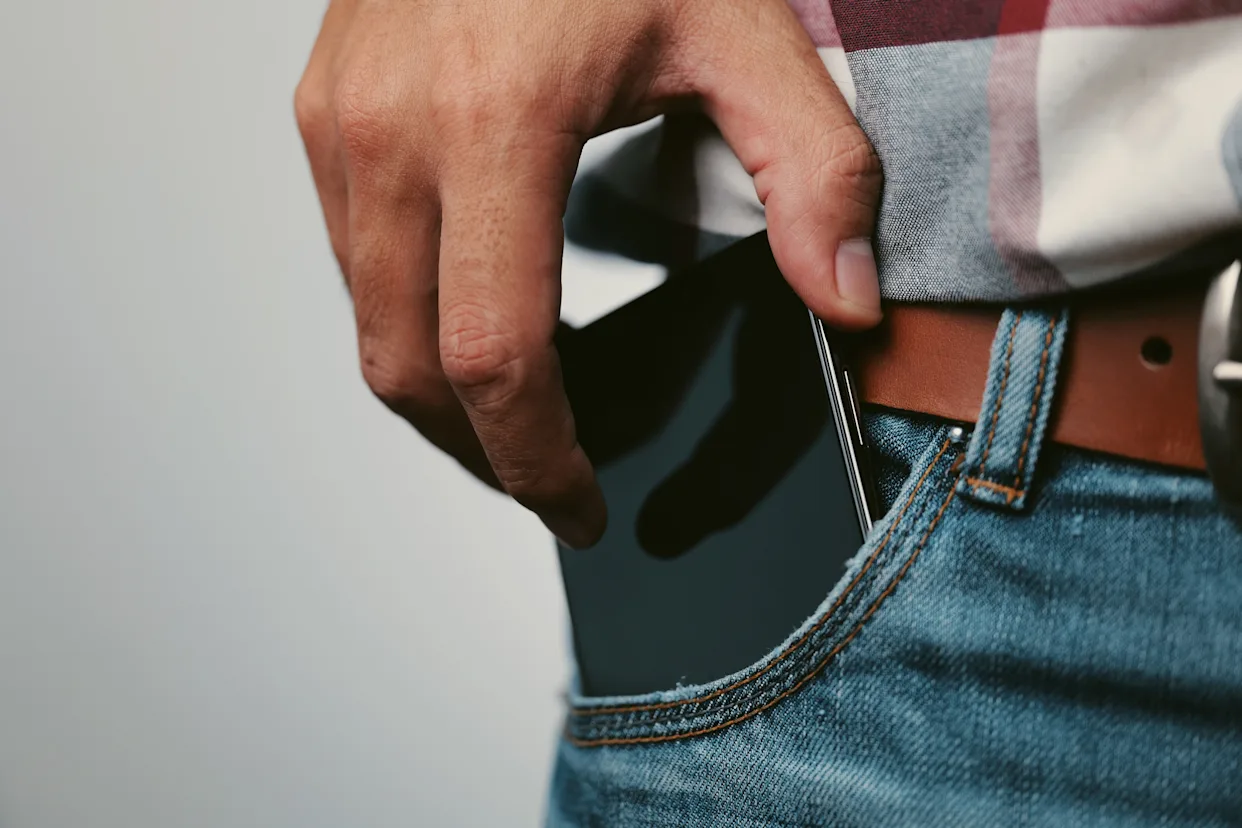
When you decide to upgrade your smartphone, screen size becomes one of the most important factors. Today’s phones are more than just communication tools. They have become our entertainment hubs, work companions, travel guides, gaming devices, and even personal organizers. Because so much of your daily life happens through your display, choosing the right smartphone screen size matters more than ever.
Modern phones come in a wide range of sizes, and each category suits a different kind of user. Some people want a compact phone that fits in any pocket. Others want a giant display for gaming or watching movies. Many users prefer a balanced size that feels comfortable while offering enough space for multitasking.
“The best screen size is the one that fits your life, not just your hand.”
This guide simplifies the decision-making process. We’ll explore the real-world sizes sold today and help you find the perfect fit based on comfort, usage, ergonomics, and personal preference.
Why Screen Size Matters More Than Ever
Smartphones have replaced multiple devices — cameras, music players, computers, GPS units, and even books. A bigger or smaller screen can change how enjoyable these tasks feel. For example:
- A larger display makes gaming, video streaming, and reading much easier.
- A smaller phone improves one-hand use and portability.
- People who work on the go benefit from mid-size displays that balance comfort and productivity.
Before choosing a phone, think about how you use it every day. Do you stream OTT shows? Take notes? Take calls all day? Play games? Or do you just want something light and easy to carry?
Apart from screen size, you should also know how to check the specifications and select the best smartphone for yourself
Understanding Modern Smartphone Screen Sizes
Today’s phones fall into four broad categories:
- Compact phones — around 5.8″ to 6.1″
- Standard mid-size phones — around 6.2″ to 6.5″
- Large phones — around 6.6″ to 6.9″
- Foldable and tablet-sized displays — 7″ and above when unfolded
Instead of looking only at numbers, you must also consider:
- Screen-to-body ratio
- Aspect ratio (like 20:9 or 19.5:9)
- Usable display area
- Weight and thickness
- Your hand size and grip comfort
A 6.5-inch phone today often feels similar to an older 5.5-inch phone because displays have become taller and bezels have almost disappeared.
Compact Screen Size (5.8″ – 6.1″)
Perfect for users who value portability and ease of use.
Pros
- Easy to hold and operate with one hand
- Fits comfortably in pockets, handbags, or small pouches
- Lightweight and ideal for long calls
- Great for seniors or users with smaller hands
- Less chances of accidental slips
These phones still offer powerful hardware and great displays, especially in premium smartphones.
Cons
- Not ideal for gamers who want a wide field of view
- Smaller keyboard area may reduce typing comfort for some
- Watching movies or reading long documents may not feel as immersive
Best For
- Minimalists
- Commuters
- Business users who prefer compact devices
- Students who want a lightweight daily-use phone
Mid-Size Screen (6.2″ – 6.5″) — The Most Popular Category
This size range is the ideal middle ground for many users. It offers excellent usability without making the phone feel bulky.
Pros
- Comfortable for both one-hand and two-hand use
- Great for streaming, reading, and light gaming
- Better battery sizes and improved thermal performance
- A balanced viewing and typing experience
- Works well for multitasking and productivity
Most flagship and mid-range phones fall in this category because they appeal to the widest audience.
Cons
- May feel slightly large if you prefer compact designs
- One-handed use can still be difficult depending on the model
Best For
- Everyday users
- Students
- Professionals
- Anyone who wants a well-balanced smartphone
Large Screen Size (6.6″ – 6.9″)
Ideal for entertainment lovers, gamers, and heavy multitaskers.
Pros
- Superb for watching movies, editing videos, and immersive gaming
- Spacious screen improves typing and scrolling
- Great for reading PDFs, designing, or sketching on apps
- Often paired with powerful processors and large batteries
A large display feels almost like carrying a mini-tablet in your hand.
Cons
- Not pocket-friendly for many people
- Can be uncomfortable during long calls
- Heavy and harder to operate with one hand
- More expensive to repair if the display breaks
- Requires sturdy grip and good-quality cases
Best For
- Content creators
- Avid gamers
- Users who watch videos frequently
- People who work from their phone
Foldable Phones and Tablet-Size Screens (7″+ unfolded)
Foldables are the newest trend and continue to evolve. When opened, they offer a large display similar to a small tablet.
Pros
- Excellent for multitasking and split-screen usage
- Perfect for reading, designing, or productivity tasks
- Great for entertainment with near-tablet screen space
- Offers two experiences: compact and expanded
Cons
- Expensive
- Delicate hinge and inner display
- Requires careful handling
- Thicker and heavier than normal smartphones
Best For
- Professionals
- Tech lovers
- People who want both a phone and a tablet in one device

What Should You Consider Before Choosing a Smartphone Screen Size?
Choosing the right size becomes easier when you understand your personal usage. Here are the key factors:
1. Hand Size and Grip Comfort
If your phone slips often or feels uncomfortable, the screen is too big. Try this simple test:
➡️ Wrap your hand around the phone. If your thumb cannot reach half the screen, the size may be too large for one-hand use.
2. Daily Routine and Usage Pattern
Different users benefit from different sizes:
- Office workers → prefer mid-size for email and documents
- Gamers → need large screens
- Travelers → want compact phones
- Students → prefer mid-size for versatility
3. Battery Life
Larger screens consume more power, but they also come with bigger batteries. Compact phones save power but often have smaller battery capacity.
4. Display Quality
A large screen is not automatically better. You must also consider:
- AMOLED vs LCD
- Refresh rate (60Hz, 90Hz, 120Hz)
- Brightness levels
- Color accuracy
A high-quality mid-size AMOLED display is better than a low-quality large display.
5. Portability
If you travel daily, commute, or walk a lot, a compact phone is easier to handle. Large phones may feel bulky in jeans pockets.
6. Repair Costs
Replacing a large or foldable display is much costlier than repairing a compact display. Consider long-term repair expenses.
7. Work vs Entertainment Balance
Ask yourself:
- Am I buying this phone mainly for Netflix, YouTube, or gaming?
- Do I read e-books or edit documents often?
- Do I want a lightweight phone for calls and social media?
Your answer will guide you to the right size.
Comparison Table: Which Screen Size Fits Your Need?
| Category | Screen Size | Best For | Portability | One-Hand Use | Entertainment |
|---|---|---|---|---|---|
| Compact | 5.8″–6.1″ | Daily tasks, calling | Excellent | Easy | Moderate |
| Mid-Size | 6.2″–6.5″ | Balanced usage | Good | Medium | Good |
| Large | 6.6″–6.9″ | Gaming, movies, productivity | Average | Difficult | Excellent |
| Foldables | 7″+ | Multitasking, design work | Low | Hard | Outstanding |
“Choosing a smartphone is not about inches. It’s about comfort today and convenience tomorrow.”
How Modern Display Ratios Affect Real-World Usability
Older smartphones had wider bezels and shorter displays with 16:9 ratios. Modern screens are taller (19.5:9, 20:9, 21:9), which makes even larger displays feel slimmer and easier to use.
This is why a 6.7-inch phone today may feel more comfortable in your hand than a 5.5-inch phone from years ago. At Prizm Institute, the students enrolling into mobile servicing course are taught about all major smartphone specifications to consider and check while buying them.
More screen, same hand comfort — that’s the advantage of modern display engineering.
Which Screen Size Should You Choose? (Simple Guide)
Here is a quick way to decide:
Choose a compact phone if you want:
✔ One-hand use
✔ Lightweight design
✔ Easy portability
Choose a mid-size phone if you want:
✔ Balance between comfort and entertainment
✔ Good gaming + good portability
✔ Best overall value
Choose a large phone if you want:
✔ Stunning visuals and immersive experience
✔ Best for gaming and movies
✔ More space for reading and document editing
Choose a foldable phone if you want:
✔ Tablet-like workspace
✔ Premium multitasking
✔ Cutting-edge features
Conclusion: Your Perfect Smartphone Screen Size Depends on You
There is no universal “best” smartphone screen size. The perfect size is the one that fits your lifestyle, daily habits, comfort level, and preferences. With modern technology, every size category brings its own strengths.
Whether you want a compact device, a balanced mid-size phone, a large immersive display, or a foldable powerhouse, the right choice is the one that makes your life easier.
Think about how you use your phone every day — that answer will guide you toward the ideal display.
Leave a Reply