Most people buy a new smartphone every 2 to 3 years. This is because the features and specifications of the old smartphone get outdated over a period of time and there are better options available.
If you do not know the latest trends, you may make mistakes and the specifications of your new cell phone may not be up to the mark as per your needs.
So instead of repenting later, you have to understand what specifications you are being provided in the new smartphone before buying it. There are many specs like processor, camera quality, RAM, storage, screen size, battery, fast charging, 5G support, etc that you have to know before deciding on the brand and model of your choice. It is not easy to choose the handset which is the most suitable for you as there are countless models available, including many from Chinese manufacturers.
If you are planning to buy a used phone, please read our second-hand mobile phone buying guide. It is important to understand new phone vs used phone buying guide before taking a final decision.
Before proceeding further, I would like to specify here that…
If you are an Apple fan, you will most probably buy the latest iPhone available.
While if you are a Samsung Galaxy or a Sony Xperia loyalist, you are also most likely to buy their latest flagship model.
But there are many others all over the world who are searching for good smartphones at an affordable price that suits their pockets. They have a wide range of choices from among Apple iPhone, Samsung, Sony, Motorola, Xiaomi, Vivo, Oppo, OnePlus, Realme, Nothing, Tecno, Infinix, etc.
Understand Your Smartphone Needs First
Before looking at specifications or brands, pause and ask yourself how you actually use your phone.
Ask Yourself These Questions
- Do I mostly use my phone for calls, WhatsApp, and browsing?
- Do I play heavy games or multitask a lot?
- Is camera quality important for photos or videos?
- Do I need all-day battery life?
- How long do I plan to use this phone?
Your answers will instantly narrow down your options. A student, a gamer, a professional, and a casual user all need different things from a smartphone.
The features mentioned below are according to today’s standards and if you read this later, these specifications will obviously be upgraded further. Smartphones continue to evolve rapidly with new technologies every year. It is also obvious that we are going to see a lot of advancements in smartphones of the future.
Specifications to watch for before buying a smartphone
1. Price
Setting a budget is critical. Smartphones can be grouped roughly into:
- Budget phones: Basic usage, reliable performance
- Mid-range phones: Best value for money
- Flagship phones: Premium design, top performance
Spending more does not always mean you’ll get better value. Many mid-range smartphones offer features close to flagship models at a much lower price. You can increase your budget if you plan to use installment or EMI facilities.
2. Operating System
This is the first thing you have to decide. It will help you shortlist your options.
You now have only two practical choices:
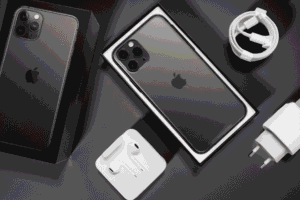
iOS: iPhone Operating System. Apple users prefer to buy the latest iPhone.
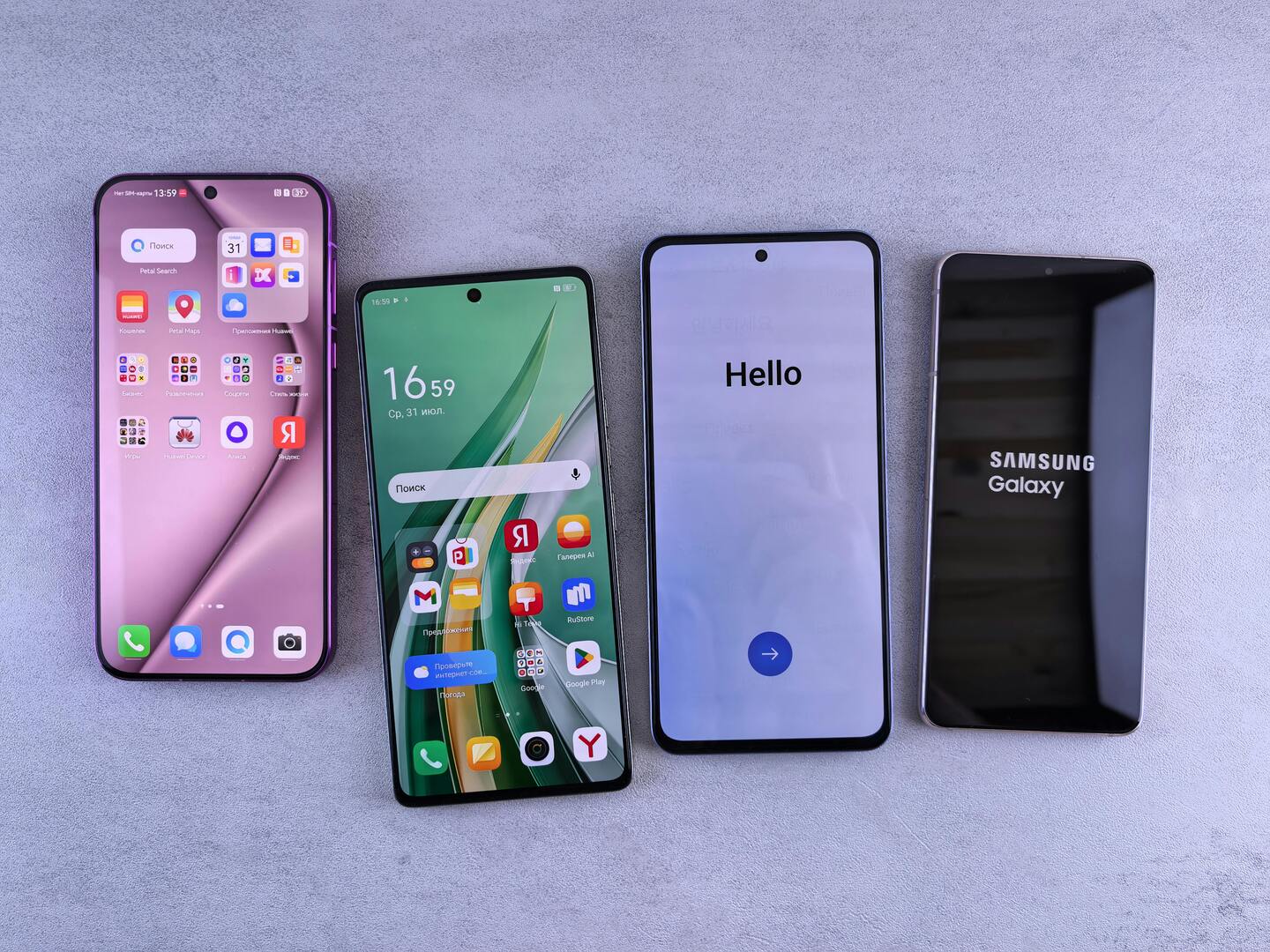
Android: Gives you plenty of choices from different brands in all price segments.
In Android phones, also check the Android version. In 2026, you should prefer a phone running Android 16, 15 or the latest available version, with assured software updates for at least 2–3 years.
3. Brand
Selecting a good brand is important. Good brands provide better quality, long-term updates, and reliable after-sales service. Chinese brands are giving tough competition, but only a few maintain high quality over time. Choose a brand that has a strong presence in your country.
While selecting a brand, you should always go for brands which have a good presence in your country. Otherwise, it becomes a problem to get spares and accessories of that model when you need them.
If you’ve been hearing a lot about Elon Musk’s phone lately, this guide breaks it all down clearly. Is Tesla Pi Phone real or just internet hype? We’ve covered every rumour, expected features, pricing, and launch timeline in one place.
4. CPU
The CPU is the backbone of performance. It should be fast enough to give smooth performance in daily use.
Earlier we had dual-core and quad-core processors. Now modern phones use advanced chipsets like:
- Apple A18 / A19 series
- Qualcomm Snapdragon 8 Gen series
- MediaTek Dimensity 9000 series
Clock speed, architecture, and efficiency also matter. A latest Snapdragon or Apple processor will always perform better than older or low-quality processors.
Discover a detailed comparison between Snapdragon and MediaTek Dimensity processors to choose the right chipset for your device.
5. GPU
The GPU processes all images and videos. A good GPU improves the experience while playing games, watching videos, or doing any graphic-intensive task. Modern phones have strong GPUs, and some even support hardware-based AI processing for better photos and videos.
If you wish to buy a good gaming smartphone in an economical price, here are a few best Android gaming phones under Rs 15,000 in India.
6. RAM
RAM is needed to store temporary data of apps. If RAM is less, the phone will lag.
Earlier 3 GB or 4 GB was enough. Today, you need:
- At least 6 GB RAM for smooth performance
- 8 GB or 12 GB for gaming or heavy multitasking
Basic users who use only WhatsApp and simple apps can work with 4–6 GB.
For most users, 8 GB RAM is the sweet spot today. Choosing a powerful CPU and sufficient RAM is the first step to ensuring your Android smartphone runs fast and smoothly.
7. Phone Memory (Storage)
Today, a smartphone should have at least 128 GB of internal storage. 64 GB fills up quickly because modern apps, photos, videos, and system files now take up much more space.
Many phones also offer 256 GB, 512 GB, or even 1 TB storage.
If the phone does not have expandable storage via microSD card, always choose a higher storage variant.
8. Camera
Megapixels are not the only factor. Sensor size, lens quality, and image processing matter more.
Modern phones also offer:
- OIS (Optical Image Stabilization)
- EIS (Electronic Image Stabilization)
- Night Mode
- AI scene detection
- 4K or 8K video recording
- High frame rates (60fps, 120fps)
Judge a camera by clicking photos and zooming them. If the details fade quickly, the sensor is weak.
Front cameras should also have good quality, especially if you take selfies or video calls.
9. Display
A good display enhances user experience.
Check:
Resolution: FHD+ or higher is preferred
- Refresh rate: 90Hz or 120Hz gives smoother scrolling
- Brightness: Higher brightness helps with outdoor visibility
- Screen type: OLED is better than IPS and TFT
LCD resolution can be segregated into:
- HD (High Definition): 720 x 1280 . It is also called 720p.
- FHD (Full High Definition): 1080 x 1920. It is called 1080p.
- QHD (Quad High Definition): 1440 x 2560. It is also called 1440p.
- UHD (Ultra High Definition, 4K): 2160 x 3840. it is also called 2160p
See the list of various display resolutions at Wikipedia at https://en.wikipedia.org/wiki/Graphics_display_resolution
Common Types of Smartphone Displays
Smartphone displays play a major role in eye comfort, battery life, and viewing quality. The most common display types are AMOLED, IPS LCD, and TFT.
AMOLED (including Super AMOLED) offers deep blacks, high contrast, and vibrant colors because each pixel lights up individually. It is power-efficient and great for media use, but may cause eye strain for some users during long usage.
IPS LCD provides natural colors, wide viewing angles, and consistent brightness using a backlight. It is generally easier on the eyes and suitable for long screen time such as reading, online classes, and office work.
TFT is a basic display technology mostly used in low-budget phones. It is affordable but has limited viewing angles, lower color accuracy, and higher power consumption.
Which is best?
AMOLED is best for visual quality and multimedia, IPS LCD is better for eye comfort and long usage, while TFT is suitable only for basic smartphone needs.
Before making your final smartphone purchase, it’s essential to know the differences between Super AMOLED and IPS LCD displays and their impact on eye health.
In brightness, check nits also . It shows how bright a phone’s display can get. Higher nits help you see the screen clearly even in strong sunlight.
A good modern smartphone should offer more than 1000 nits, while premium models go much higher.
All phones today also come with Corning Gorilla Glass 5, 6, Victus, or Victus+ for better protection.
10. Camera
The camera is one of the most important features for many smartphone buyers. Whether you click photos for social media, work, or personal memories, checking the camera properly before buying helps you avoid disappointment later.
1. Do Not Judge the Camera Only by Megapixels
Many people think higher megapixels mean better photos. This is not always true. Camera quality depends on the sensor, image processing, and software optimization, not just the megapixel number.
A 12 MP or 48 MP camera from a good brand can perform better than a higher megapixel camera with poor processing.
2. Check the Camera Specifications Carefully
Before buying, always check the camera specifications mentioned on the box, official website, or trusted review pages. Focus on these key points:
- Sensor size – Bigger sensors usually capture better light
- Aperture (f/ number) – Lower f-number helps in low-light photos
- Image stabilization – Optical or electronic stabilization improves clarity
- Lens type – Wide, ultra-wide, macro, or telephoto
Avoid relying only on marketing terms like “AI camera” or “professional camera.”
3. Take Sample Photos in Different Conditions
If possible, visit a store and test the camera yourself. Click photos in:
- Good lighting
- Indoor lighting
- Low-light or evening conditions
Check sharpness, colors, focus speed, and detail. Zoom in to see if the image remains clear or becomes noisy.
4. Test the Front Camera as Well
The selfie camera is important for video calls and social media. Check:
- Skin tone accuracy
- Focus on face
- Video quality during movement
Many phones have strong rear cameras but average front cameras.
5. Check Camera App Features
Open the camera app and see if it is easy to use. Look for:
- Night mode
- Portrait mode
- HDR support
- Video stabilization options
A simple and responsive camera app improves real-world usage.
A good smartphone camera is not about numbers. It is about how well the phone captures real moments.
6. Watch Real-Life Camera Samples Online
Before finalizing your purchase, search for real camera samples taken by normal users. This gives a better idea than promotional images.
7. Understand Your Usage Before Choosing
If you mostly click photos in daylight, mid-range cameras are sufficient. For night photography or video recording, choose a phone with better sensor and stabilization.
To improve your pictures, also read how to take the best quality photos from your phone. The guide shares practical tips that work on both Android phones and iPhones.
11. Battery
Battery capacity is important. Most phones today offer:
- 4500 mAh to 7000 mAh batteries
Check for fast charging, which is a major feature now. Many phones support:
- 33W, 65W, 80W, 100W, or even 150W fast charging
Premium mobile phones also support wireless charging and reverse wireless charging as well. Discover how many watts is the world’s fastest smartphone charger delivers and what that means for real-world charging speeds.
Battery health is also important. Brands now use better power optimization to reduce battery drain.
Note: More mAh value means bigger size batteries which leads to phone becoming heavier. This is why bigger brands limit the mAh value to around 4000.
You should also have a powerbank to assist you while travelling or in an emergency. Please read our guide on how to buy the best powerbank for your mobile phone.
12. Screen Size
Screen sizes today commonly range from 6.1 to 6.8 inches due to narrow bezels and taller aspect ratios. Choose according to your comfort. Also smartphone or tablet—which one should you buy?
Smaller phones (below 6 inches) are very rare today.
Bigger displays are good for gaming and videos but may feel uncomfortable for one-hand use.
Read whats the perfect smartphone screen size for you.
13. Launch Date
Always check the launch date. Older models may have outdated specs or limited software update support. Prefer phones launched within the last 6 to 12 months.
Using an outdated phone can affect performance, security, and daily use. Here are five common signs that your old cell phone should be replaced.
14. Updates
Big brands provide regular updates. Smaller companies often fail here.
For Android phones, check the number of Android version upgrades and security updates promised by the brand.
In 2025, many brands offer 3-4 years of updates.
Additional features you have to check
In addition, you also have to check a few more specifications and features.
5G Support
5G lets your phone use faster mobile internet. Pages open quicker, videos stream smoothly, and downloads finish in seconds. Most new phones now support 5G as standard.
Wi-Fi 6 or Wi-Fi 7
Wi-Fi 6 and Wi-Fi 7 offer stronger and faster wireless connections. They give better speed and stable performance, especially in homes where many devices are connected at the same time.
Bluetooth 5.2 or Higher
Bluetooth 5.2 provides better range, clearer audio quality, and lower power use. It is helpful when using wireless earphones, smartwatches, or sharing files quickly.
NFC
NFC allows you to make quick contactless payments and pair devices with a single tap. It is useful for apps like Google Pay and for scanning NFC tags.
Dual SIM
A Dual SIM phone lets you use two mobile numbers at the same time. It is convenient for people who want separate numbers for work and personal use.
Fingerprint Sensor (In-Display or Side-Mounted)
A fingerprint sensor helps you unlock your phone quickly and safely. In-display sensors are inside the screen, while side-mounted ones are placed on the power button.
Face Unlock
Face unlock uses your front camera to recognize your face and unlock your phone. It is simple and quick, but works best in good light.
Phone Weight (Below 200g)
A phone that weighs below 200 grams feels more comfortable to carry and use. Heavier phones may feel bulky during long use.
Build Quality, IP Rating & Durability
Good build quality means the phone feels solid and lasts longer.
An IP rating shows protection against dust and water. For example, IP67 or IP68 means the phone can survive accidental splashes or rain.
Durable phones also have strong frames and good glass protection to handle daily wear and tear.
When buying a new smartphone – be it Android or iPhone, you have to protect yourself from counterfeit devices, it’s worth understanding exactly what sets an authentic phone apart. Our guide on recognising original phones versus duplicate phones gives you clear, practical advice.
Brand Reputation and After-Sales Support
A good smartphone experience continues after purchase.
Why Brand Support Matters
- Warranty service
- Spare parts availability
- Software reliability
Before buying, check service center availability in your city and real customer reviews.
Avoid Common Smartphone Buying Mistakes
Many buyers regret their purchase due to these mistakes:
- Buying only based on brand name
- Ignoring software updates
- Choosing high megapixels over real camera quality
- Overspending on features they never use
A balanced phone always beats a flashy one.
While if you are planning to buy a keypad phone for calls and basic use, compare your options carefully to know which Keypad Phone Is Best? Jio Bharat vs Others, and make the decision easier with practical insights.
How to Compare Smartphones Properly
Instead of comparing long spec lists, focus on:
- Performance consistency
- Camera reliability
- Battery endurance
- Software experience
- Value for money
Watching trusted reviews and reading long-term user feedback helps more than launch-day hype.
Should You Buy Online or Offline?
Online Buying
- Better discounts
- Wider selection
- Easy comparisons
Offline Buying
- Hands-on experience
- Immediate support
- Easier exchanges
If you’re unsure about size or feel, visit a store first, then decide.
Future-Proofing Your Smartphone
A smartphone is usually used for 2–4 years.
To future-proof
- Choose higher RAM and storage
- Prefer newer processors
- Ensure long software support
This saves money in the long run.
Where can you find and know the specs and reviews?
The manufacturer’s website highlights only the best features. To see complete details, check popular review sites:
You can also Google “model name + specs.”
If you need the best specs, you have to spend more. Flagship phones are expensive but offer top performance.
Many people get fooled by low prices. Always read reviews before buying.
Avoid brands that do not have a presence in your country. Repairing them becomes very difficult as their spare parts may not be available.
Read 8 Manners And Etiquettes Of Using Cell Phones
Final Thoughts: Choosing the Best Smartphone for You
The best smartphone is the one that fits your lifestyle, not marketing claims. Focus on performance, reliability, and long-term usability instead of chasing specs you don’t need.
Take your time, compare wisely, and buy a phone that feels right today—and still works smoothly years from now.
Please share this article among your friends on Facebook and Twitter.
If you think any tip is missing or want more updates, feel free to let me know!