
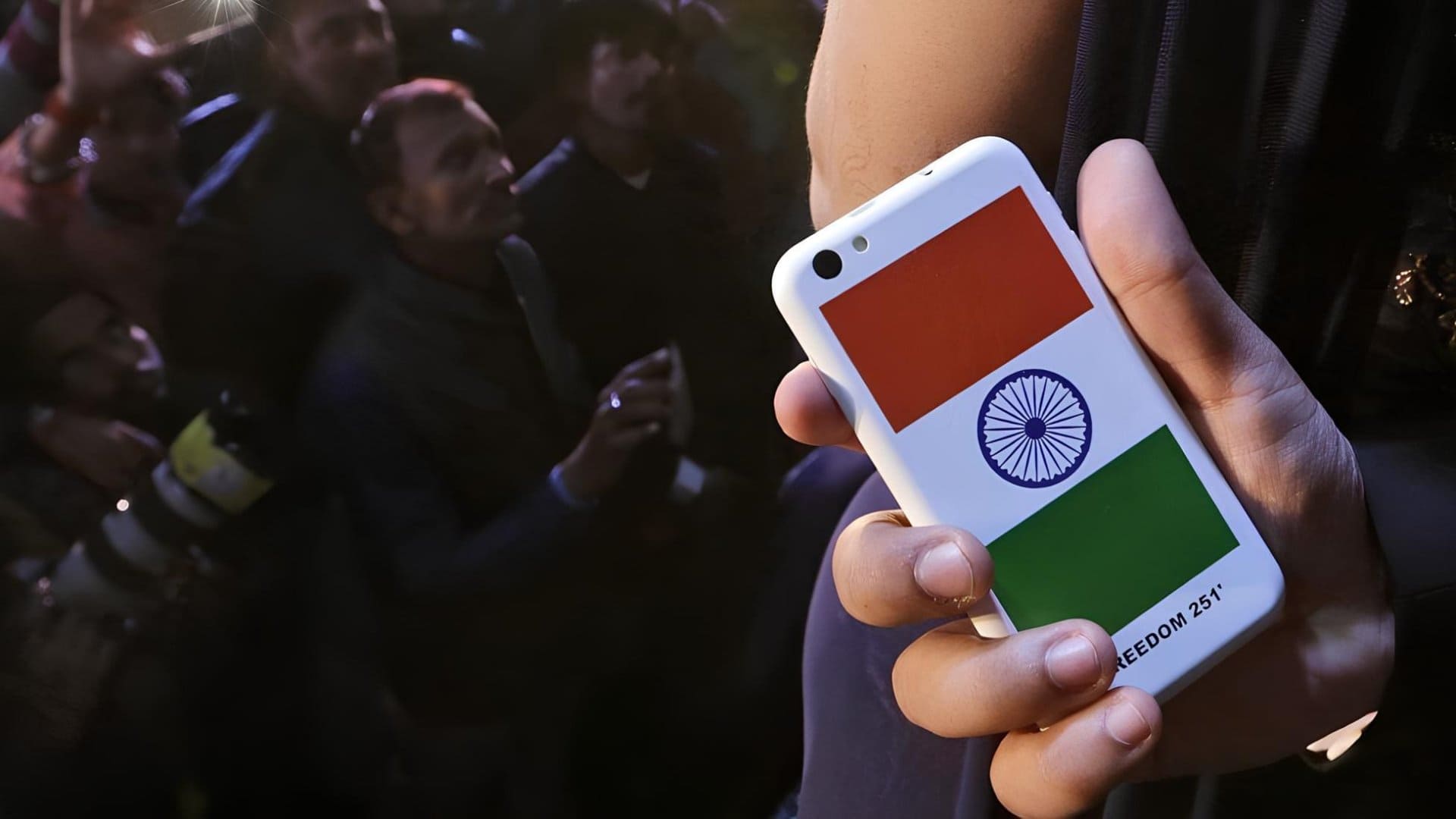
In 2016, India witnessed one of the most shocking announcements in the history of technology and smartphones. A company claimed it would sell a fully functional Android smartphone for just ₹251.
The phone was called Freedom 251.
Within hours, headlines exploded, social media went wild, and millions of Indians rushed to book what was being called India’s cheapest smartphone. For many, it sounded like a dream come true. For others, it sounded too good to be true.
So what exactly happened?
Why did this phone create so much hype?
And why is it still remembered as the biggest smartphone scam in India?
This article explains the full, verified story of the Freedom 251 scam—what was promised, what went wrong, and what lessons it left behind.
What Was Freedom 251?
Freedom 251 was announced as an ultra-low-cost Android smartphone priced at ₹251, roughly the cost of a movie ticket at the time.
The phone was launched by Ringing Bells, a Noida-based startup led by Mohit Goel.
According to the company, the goal was simple but ambitious:
- Make smartphones affordable for every Indian
- Support the government’s Digital India vision
- Bridge the digital divide
The idea sounded noble. The price sounded impossible.
Before moving ahead, it’s important to understand the that you could fall victim to if proper caution is not taken.
Why ₹251 Shocked the Entire Country
In 2016, even entry-level smartphones cost ₹3,000–₹5,000. A ₹251 smartphone raised serious questions immediately.
To understand the shock, consider the basics:
- Display, battery, processor, memory, camera, and software licensing all cost money
- Manufacturing alone costs several times more than ₹251
- Packaging, logistics, and customer support add further expenses
Industry experts quickly pointed out that making such a phone at ₹251 was economically impossible without massive subsidies.
Yet, the company claimed it had a unique cost model.
What Ringing Bells Promised
At the launch event, Ringing Bells showcased the Freedom 251 with specifications that seemed unrealistic for the price.
Claimed Specifications
- 4-inch display
- Android operating system
- 1 GB RAM
- Front and rear cameras
- Internet browsing and apps
- Support for common smartphone features
The company stated that:
- The phone was heavily subsidized
- Advertising revenue would cover losses
- Government initiatives indirectly supported affordability
This created enormous curiosity and hope, especially among:
- First-time smartphone buyers
- Students
- Low-income families
- Rural users
Massive Public Response and Bookings
When bookings opened, the response was overwhelming.
- The website reportedly received millions of hits
- Servers crashed repeatedly
- Payment gateways struggled to handle traffic
- Social media was flooded with booking screenshots
Many people paid ₹251 (plus delivery charges) hoping to receive the phone.
This moment marked the peak of the hype—and the beginning of serious trouble.
Early Warning Signs and Red Flags
Even before deliveries began, several red flags became obvious.
1. Website and Payment Issues
- Frequent crashes during booking
- Unclear payment confirmations
- Poor customer communication
2. Confusing Claims
- Unclear explanations of how costs were covered
- No transparent manufacturing partner details
- Vague answers during press conferences
3. Prototype Controversy
Journalists noticed that the phone shown at launch appeared to be a rebranded smartphone from another Chinese manufacturer, not an original device.
This damaged credibility instantly.
Government and Legal Scrutiny Begins
As public attention grew, authorities stepped in.
- Consumer groups raised complaints
- Legal notices were issued
- Questions were asked about misleading advertising
- Investigations began into business practices
The company was asked to clarify:
- Manufacturing arrangements
- Financial backing
- Delivery capability
Pressure mounted quickly.
What Happened to India’s Cheapest Phone?
This is the question most people still ask today:
What happened to India’s cheapest phone?
The answer is simple but disappointing.
Delivery Never Happened at Scale
- Only a very small number of units were reportedly delivered
- Most customers never received a phone
- Delivery timelines were repeatedly delayed
- Customer support became unreachable
The promise collapsed under its own weight.
Refund Issues and Customer Frustration
As delays increased, customers demanded a refund.
Here’s what followed:
- Refund promises were made publicly
- Many customers reported never receiving refunds
- Communication channels stopped responding
- Social media complaints increased rapidly
For thousands of buyers, ₹251 was not a small amount—it represented trust broken.
Legal Action and Company Shutdown
Eventually, the situation escalated.
- Authorities took action against the company
- Operations were halted
- Offices reportedly shut down
- The company faded from public view
The Freedom 251 project effectively ended without resolution for many customers.
Why Freedom 251 Scam Is Called the Biggest Smartphone Scam in India
The Freedom 251 scam earned its reputation due to several reasons:
- Scale of hype: Millions of people were involved
- Unrealistic pricing: Ignored basic manufacturing economics
- Misleading promotion: Product claims could not be fulfilled
- Failure to deliver: Phones were not supplied as promised
- Refund failures: Many customers lost money
It became a textbook example of how marketing without execution can turn into disaster.
Truth Behind India’s ₹251 Smartphone
Looking back, the Truth Behind India’s ₹251 Smartphone is clear.
- The idea was attractive but flawed
- The pricing model was unrealistic
- Execution capability was missing
- Transparency was lacking
- Consumer trust was underestimated
Even if intentions were positive initially, the outcome caused real harm.
Could Freedom 251 Have Ever Worked?
From a practical standpoint, the answer is no.
Reasons It Was Not Viable
- Component costs alone exceeded the selling price
- Software licensing and updates cost money
- Logistics and customer service require funding
- Advertising revenue cannot sustain hardware losses at scale
No major smartphone brand has ever succeeded with such pricing without government-funded distribution.
Lessons for Indian Smartphone Buyers
The Freedom 251 case taught valuable lessons that still apply today.
Key Takeaways
- If a deal sounds too good to be true, it usually is
- Always research the company behind a product
- Check delivery history and customer reviews
- Be cautious with advance payments
- Prefer established brands or verified sellers
Smartphones are essential tools today, but buying decisions must remain informed.
Impact on India’s Smartphone Industry
While the scam caused losses, it also led to some positive changes:
- Increased awareness among consumers
- Stricter scrutiny of marketing claims
- More responsible pricing strategies
- Growth of genuinely affordable smartphones from trusted brands
The industry matured after learning from this failure.
How Affordable Smartphones Actually Evolved
Instead of ₹251 phones, the market moved toward:
- Budget smartphones priced realistically
- Feature-rich phones under ₹5,000
- Better after-sales service
- Transparent specifications
This sustainable approach helped millions access smartphones without false promises.
Final Thoughts
The Freedom 251 episode remains a landmark moment in India’s tech history. It was driven by hope, amplified by hype, and undone by impractical execution.
Understanding this story helps consumers make better choices and reminds companies that trust is harder to earn than attention.
If there is one lasting lesson, it is this:
Innovation must be backed by honesty, capability, and accountability.